Vaidya R Kotecha | An Integrated System...
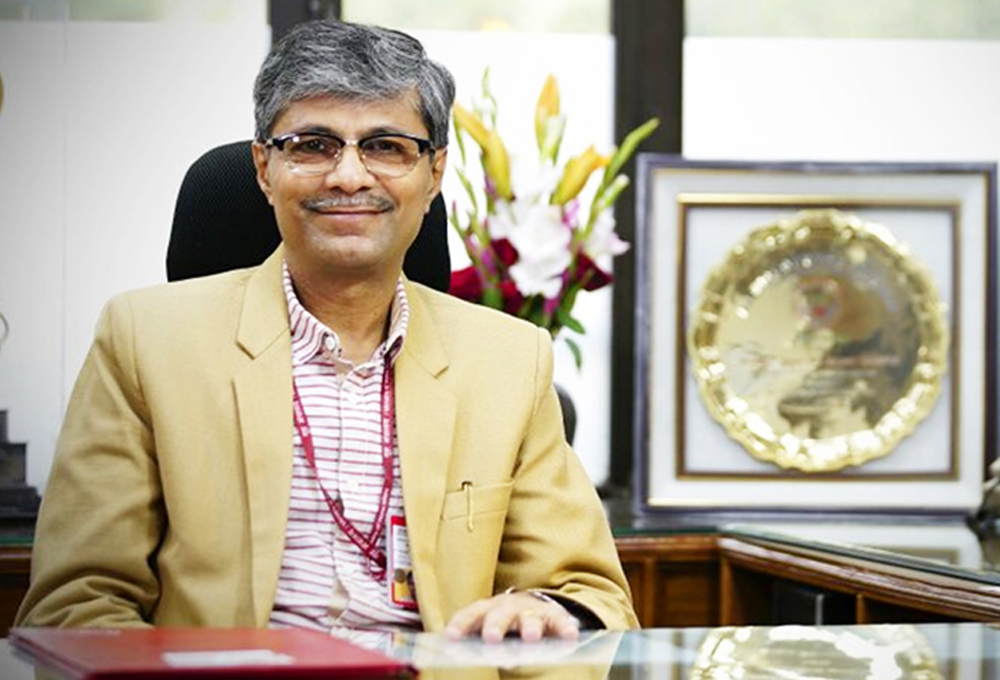
Vaidya R Kotecha, Secretary, Ministry of Ayurveda, Yoga and Naturopath...
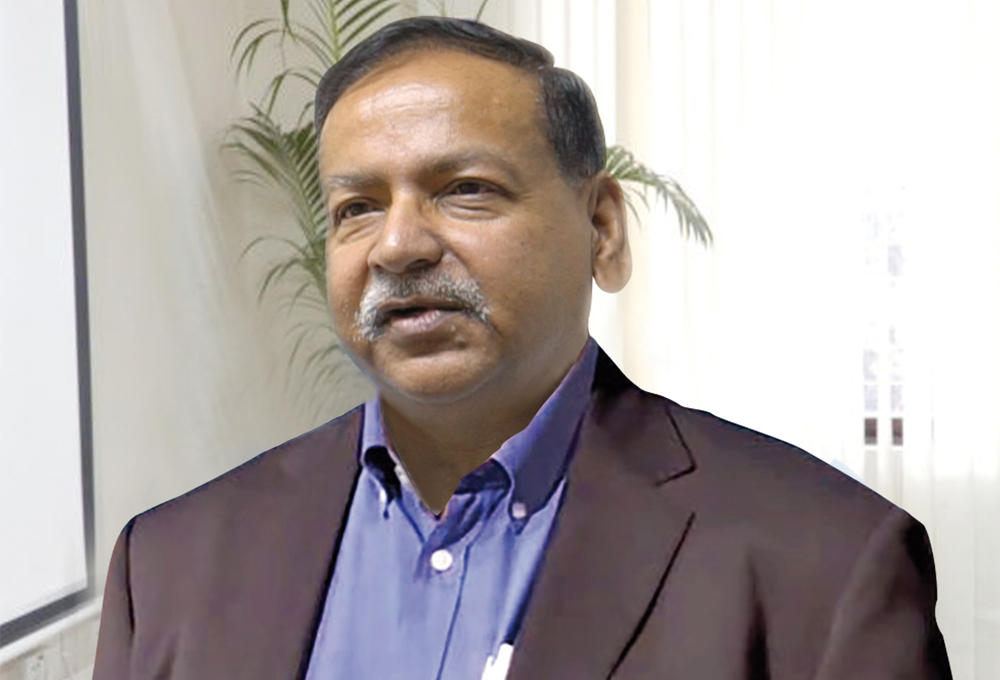
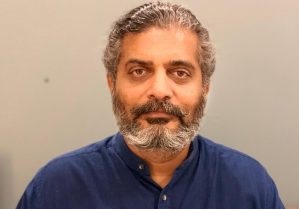 Laveesh Bhandari | India Needs To Get Back To...
By: Staff Reporter
Laveesh Bhandari is a data scientist, an empirical economist, environment evangelist and columnist. He is currently the Director of Indicus Foundation and leads its Environment and Sustainable Livelihoods initiative. Here, Bhandari talks to G’nY about...
 Flood-Prone Areas | Requi...
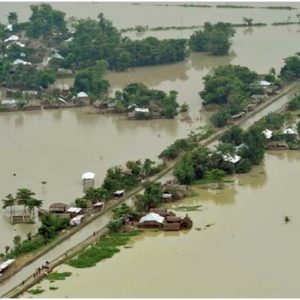
Flood prone areas of India
The tragedy of the monsoons is often floods and landslides &mdash...
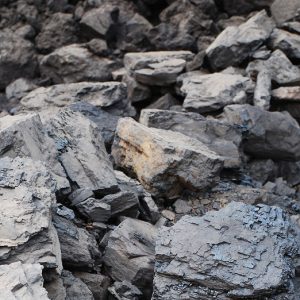 Coal Fields in India
It was in 1909 that Alfred Weber formulated a theory of industrial location. Simply speaking, he sought to determine...
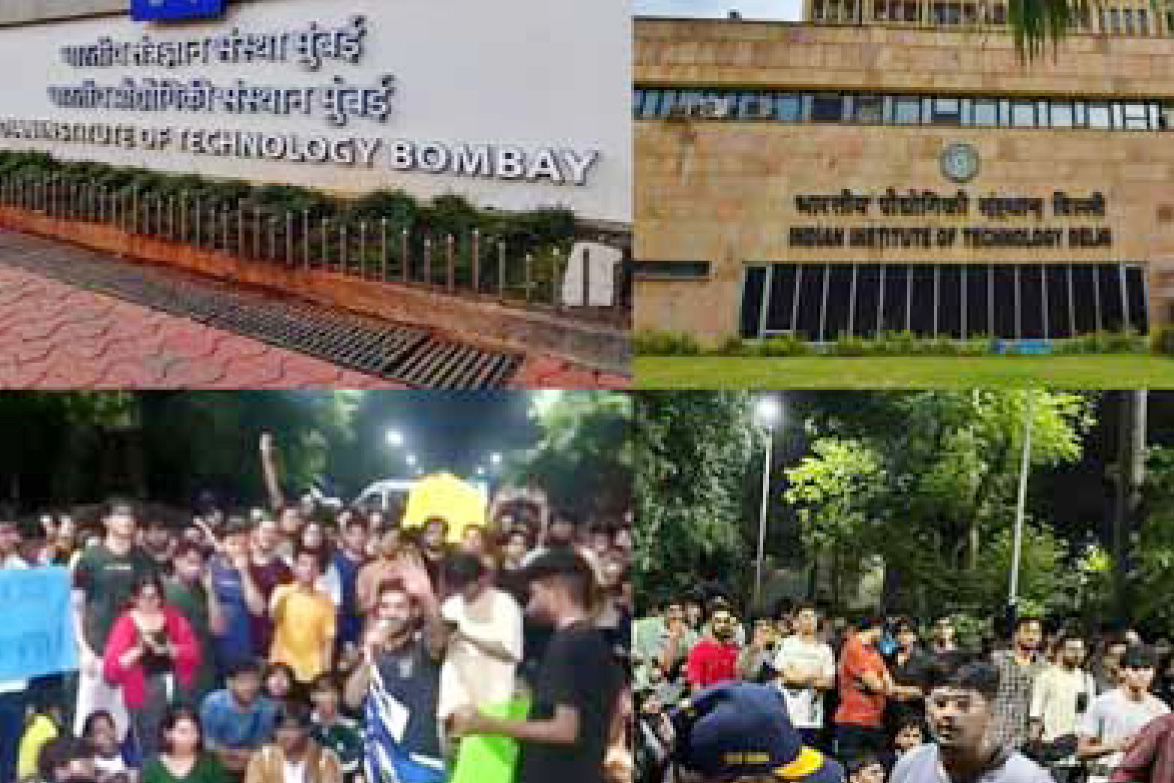
Student distress is an increasingly recognised concern, poignantly reflected in the rising instances of student suicides across institutions of higher learning in India. Despite institutional mechanisms, support systems, and standard operating procedures, disturbing incidents persist and, in many cases, escalate. Children today often grow up in evolving fami...
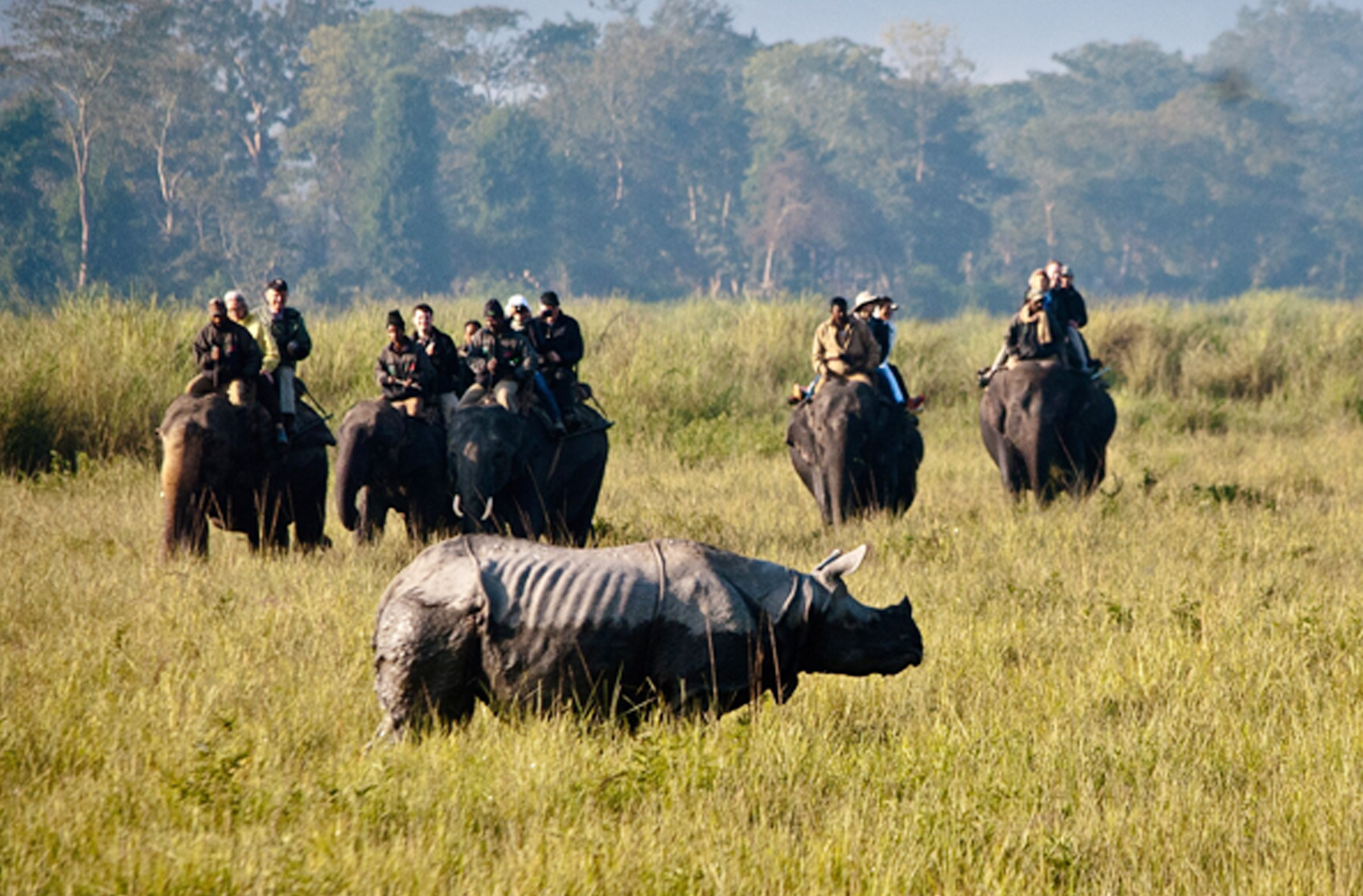
Assam Chief Minister Himanta Biswa Sarma has announced plans to reduce the Kaziranga Eco-Sensitive Zone (ESZ) to one km as opposed to the current 10 km. The state government’s intention has raised concerns among environmentalists, as Kaziranga National Park and Tiger Reserve (KNPTR) is home to some of the world's endangered wild animals, including the greate...
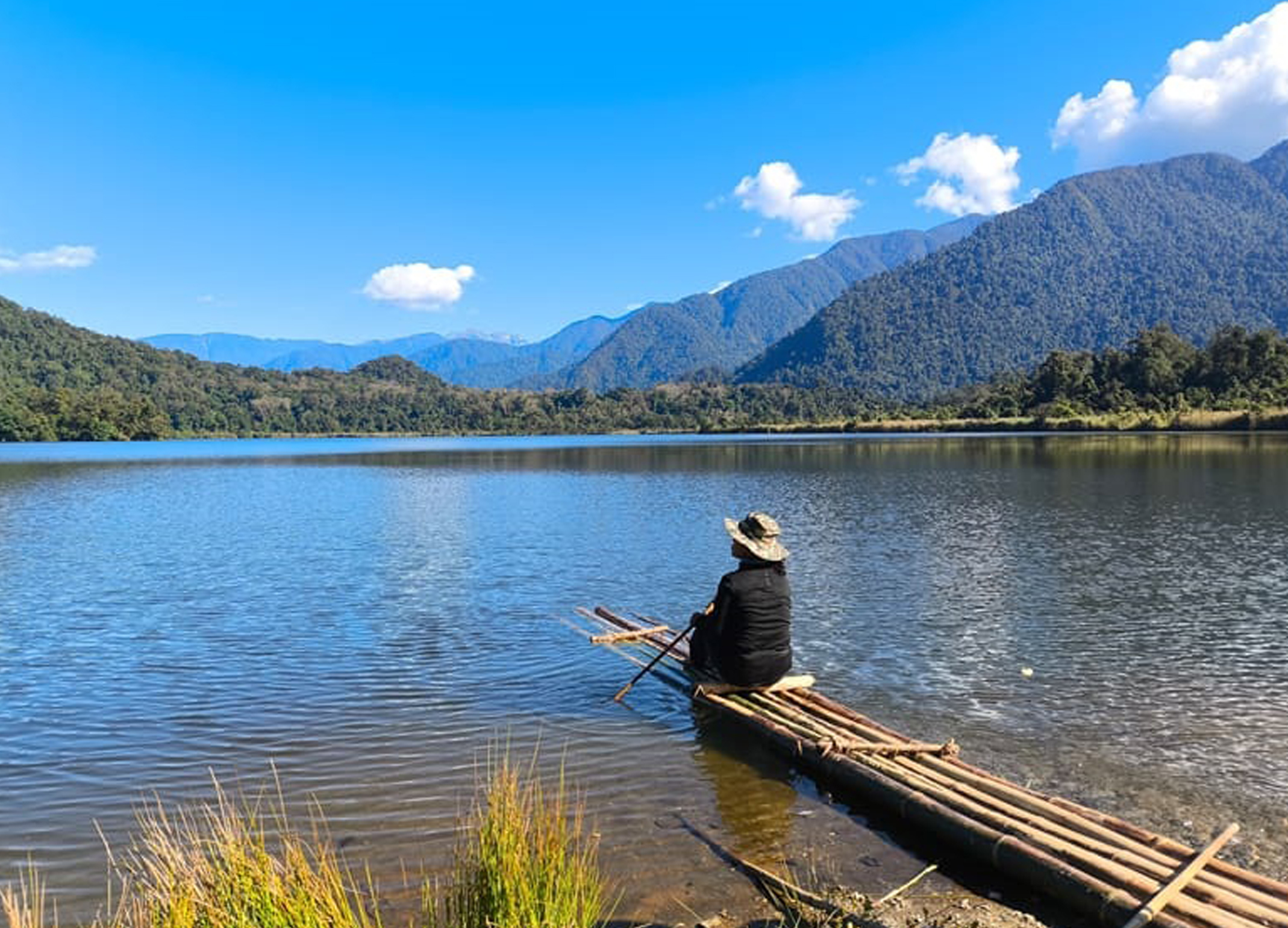
Glaw Lake was recently designated as Arunachal Pradesh’s First and India’s 101st Ramsar Site. It is located within the Kamlang Tiger Reserve and Wildlife Sanctuary. It hosts diverse flora and fauna species, including four big cat species. The Ramsar site is also a sacred place for the local Mishmi community.
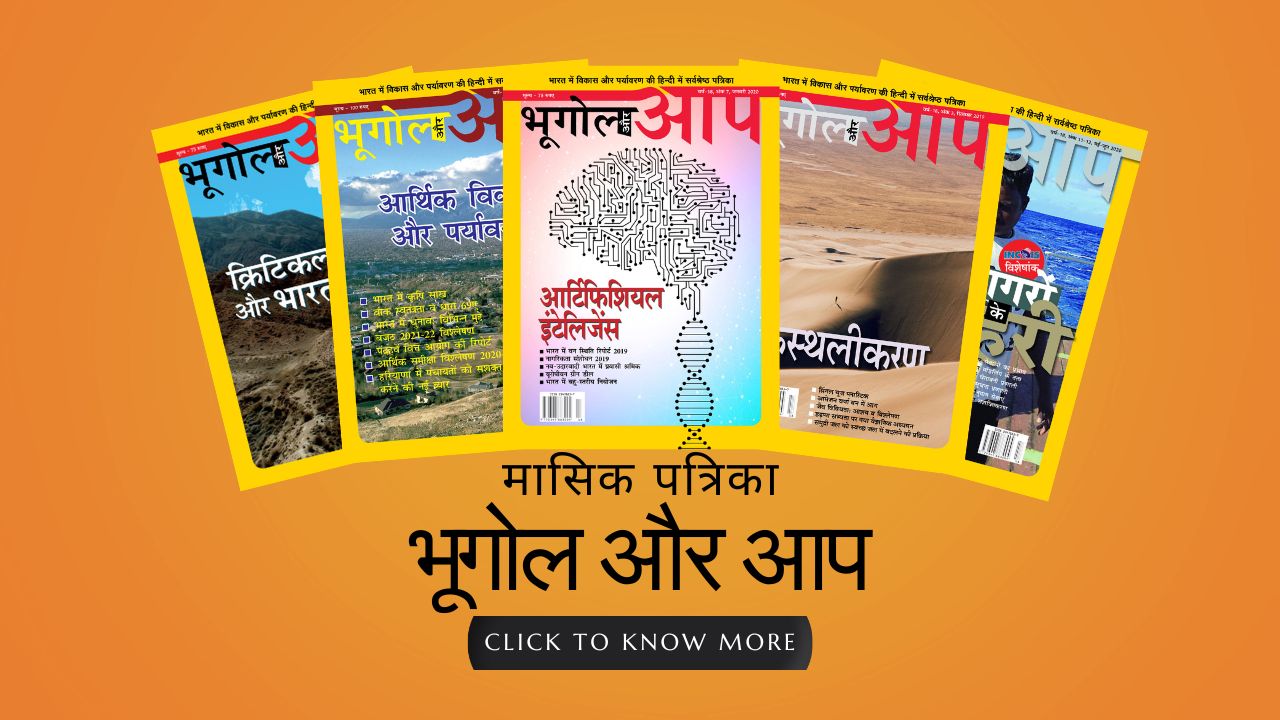


The coronavirus pandemic has been an unexpected boon for global air pollution levels. As most countries and major metropolitan areas are under lockdown to contain the spread of Covid 19, the halt h...
The COVID-19 pandemic has brought the subject of healthcare to the forefront. As such, it becomes pertinent to ask the question that why some countries are doing better than others in dealing with...
Green, brown and red seaweeds scattered on the beach is a normal occurrence in many coastal regions. The volume of beached seaweed biomass started to increase along the shores of industrialised nat...

Eminent social worker Avinash Rai Khanna is a remarkable thinker. A former Member of Parliament and an active politician, he has been working intensely on social issues and raised them in Parliament from time to time. These social issues are in no way connected to politics. These in fact present deep thinking and an earnest relationship with ground realities. Each of the nine chapters of this book showcases an outlook on pertinent social issues. From the ever-changing evils of society and how together we can solve day-to-day problems to what the responsibility of society towards orphans should be and how to prevent their criminalization have been discussed threadbare. Khanna has selected topics unrelated to politics and governments, addressing the smallest unit of a nation - the family. He attributes problems to the departure from India's roots and highlights instilling the nation's ageold cultural ethos among children. Khanna hails from Punjab where, in the recent decades drug addiction among the young population has emerged as a significant problem. In his article 'How to get rid of drug addiction', Khanna presents a solution to this very problem. The author also considers military training in tandem with formal education an important input for nation-building. Overall, this succinct bouquet of thinking - Samajik Chintan, is an inspiring treatise for all..
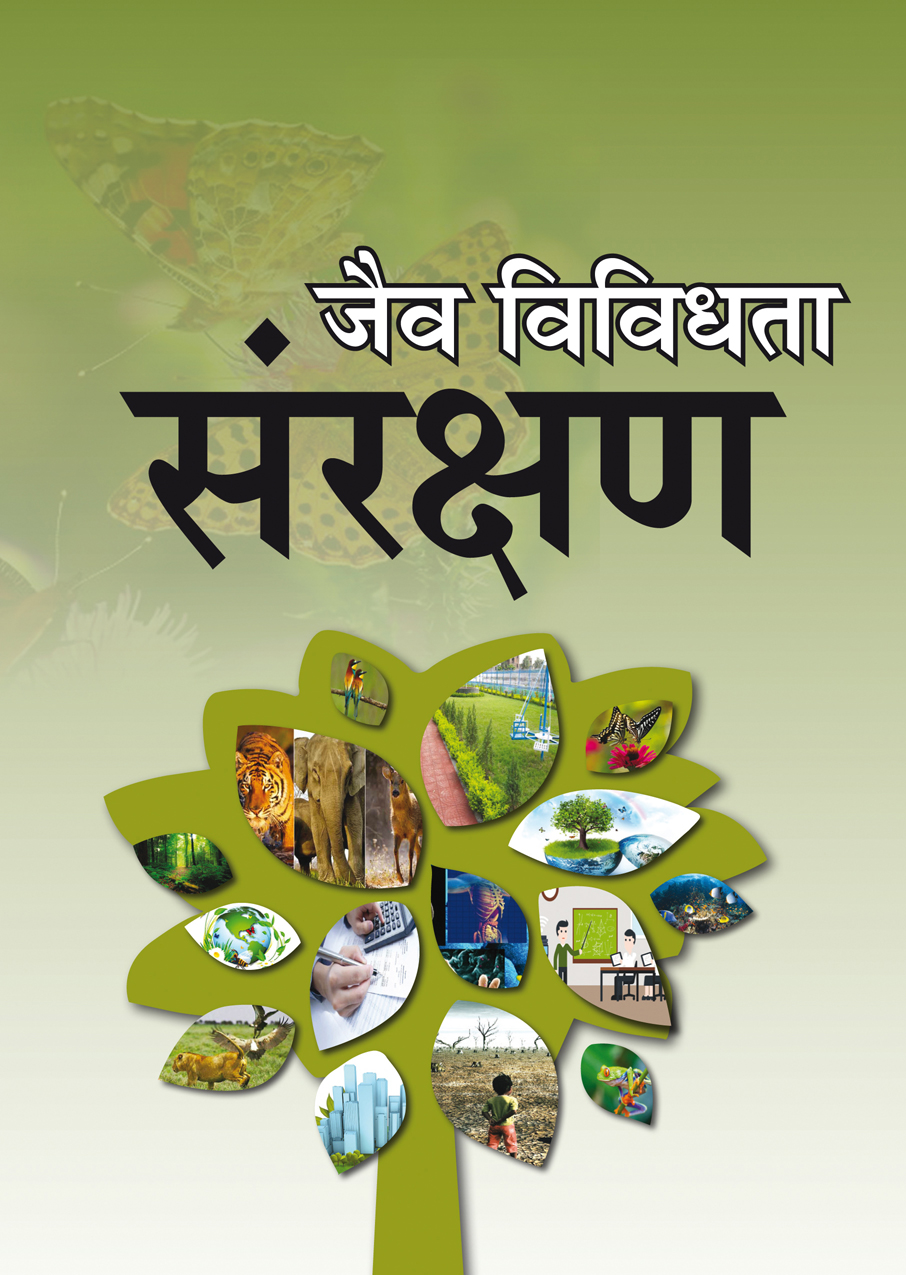
जैव विविधता हमारे प्राकृतिक पर्यावरण का अनिवार्य हिस्सा है। पर्यावरण संतुलन व सतत विकास के लिए यह विविधता बनाए रखना जरूरी है। यह तभी संभव है जब इनका संरक्षण करें। यह पुस्तक जैव विविधता एवं उसके संरक्षण के सभी पहलुओं को स्पर्श करती है। पुस्तक में संरक्षण संबंधी चुनौतियों का भी यथास्थान वर्णन है। पर्यावरण अध्ययन में अभिरूचि रखने वाले शिक्षकों, शोधार्थियों एवं छात्रों के लिए यह पुस्तक अति उपयोगी है।
Located in the Dehradun district, the Asan Conservation Reserve is the 38th Ramsar site in India and first in the state of Uttarakhand. It is a human-made wetland, which has resulted due to the Asan B..
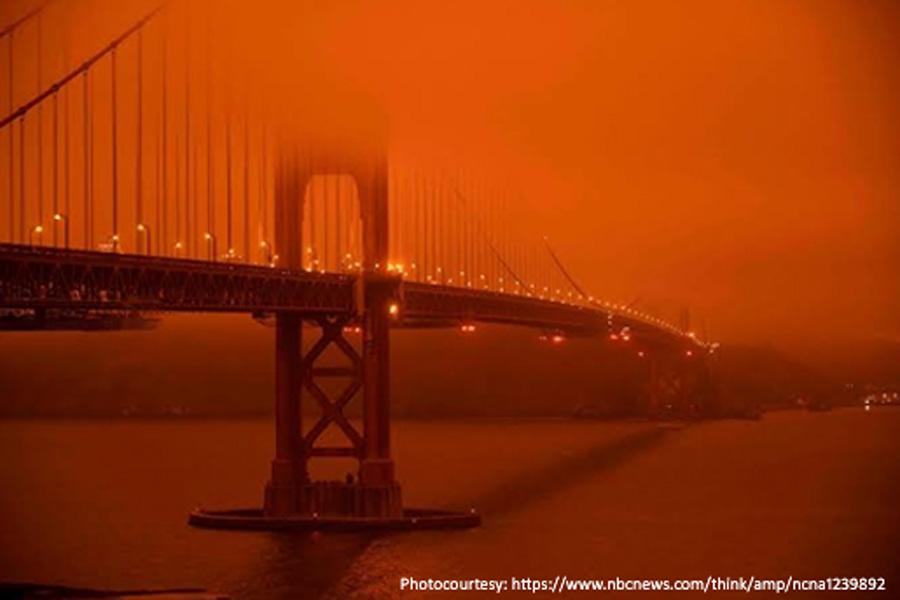
A new paper by British climate writer, Paul Homewood says that average temperature rise in the USA is not alarming. Based on the data received from the NOAA, it claims that there has been little or no...
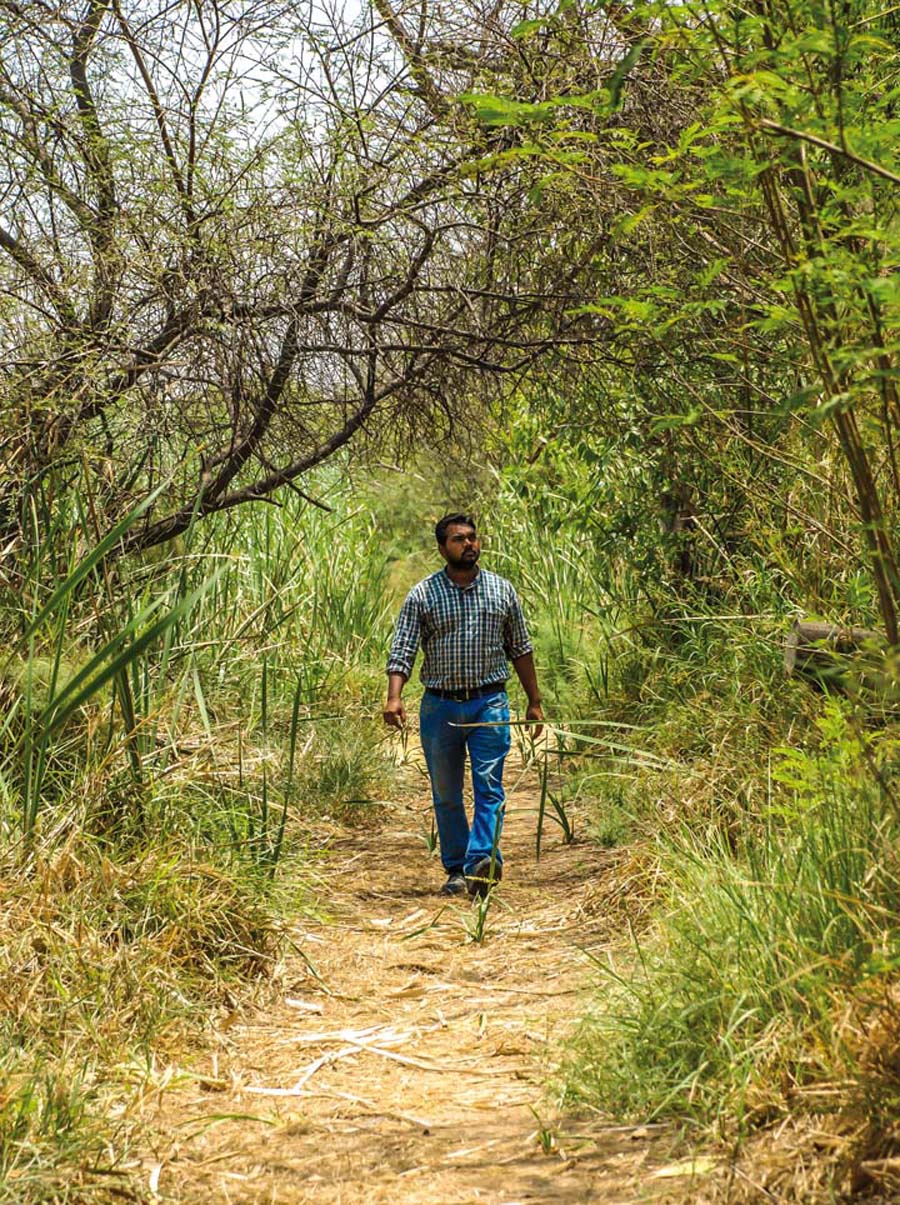
The risk of climate change is universal but the poor are more vulnerable with worsening food security and exacerbating hunger in developing countries. Climate change is also likely to affect species distribution and increase the threat of extinction and loss of biodiversity. ..
 1° Hotter = 1000 Dead: Heat Waves as India’s Growi...
Heatwaves are no longer episodic extremes but are increasingly becoming a structural...
 Sale! Sale! Sale!: Private Education
As India stands at a critical juncture in education reform, questions surrounding pri...
 Vanishing Grants: The Fate of Higher Education in...
The foundational principle upon which our education system rests is fundamentally bas...
 Ailing Glaciers: Aerosol Warming the Himalayas-Ins...
The Himalayan glaciers face significant climate change and air pollution threats. In...