BY: STAFF REPORTER
<p>The COVID-19 pandemic has brought the subject of healthcare to the forefront. As such, it becomes pertinent to ask the question that why some countries are doing better than others in dealing with this crisis? Does the answer lie in the difference in the healthcare system of various countries? In this article, we try to answer this question by looking at some of the features of the healthcare systems of four countries - Taiwan, South Korea, Australia, and New Zealand - that have been successful in controlling and managing the situation. As our analysis will show, these countries relied on their historical investment in building public healthcare and quick preparedness in dealing with the pandemic.</p>
Read more

Due to intense storms and the appearance of polynya (open water within the sea ice), the summer sea ice in the Weddell Sea sector of Antarctica has decreased by roughly one million square kilometres. Scientists point out that this will adversely impact the Antarctic ecosystem.
Read more
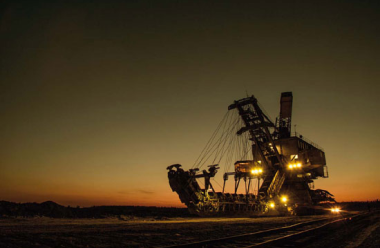
China recently announced restrictions on the export of seven rare earth elements (REEs), soon after US President Donald Trump decided to impose tariffs. As the world's dominant supplier—responsible for over 85 to 90 per cent of rare earth processing (Jayadevan, 2025)—this decision has raised alarms across the tech, defence, and energy sectors worldwide. But why do these obscure-sounding minerals matter so much? What gives China such leverage? And how is a country like India preparing to shield itself from these vulnerabilities? This article explores the growing significance of Rare Earth Elements (REEs), their global supply dynamics, and how India is navigating the evolving geopolitical landscape to secure its future.
Read more