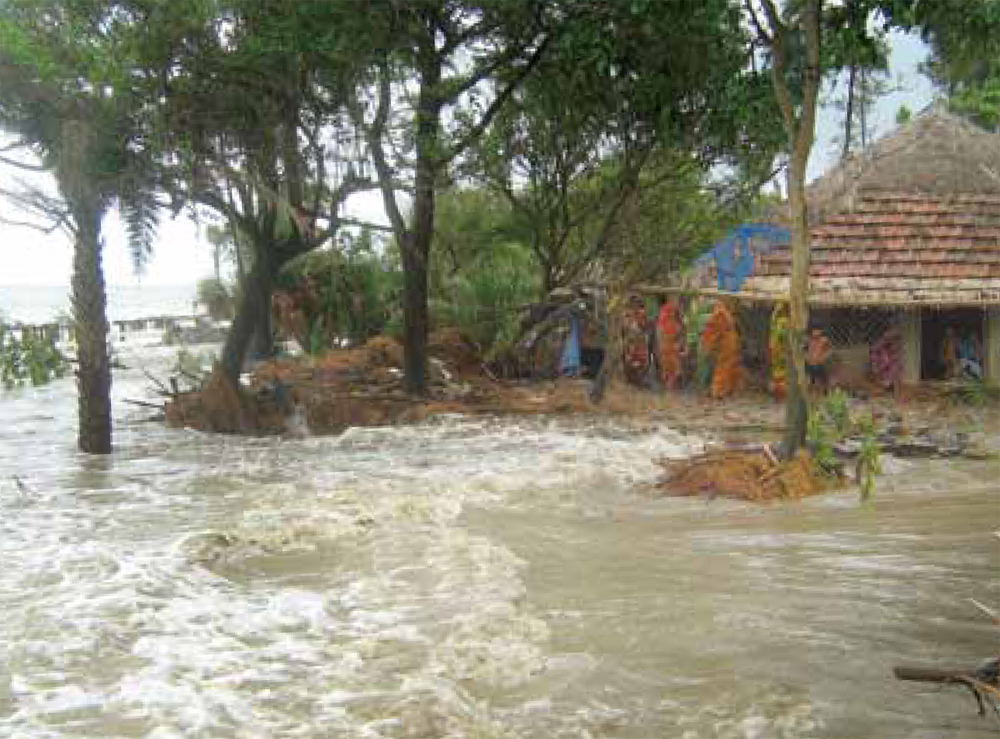
Abstract: In a changing climate scenario the frequency of severe cyclonic storms is increasing in the Indian sub continent. The sub continent with a long coastline of 8041 km is exposed to nearly 10 per cent of the world’s tropical cyclone.
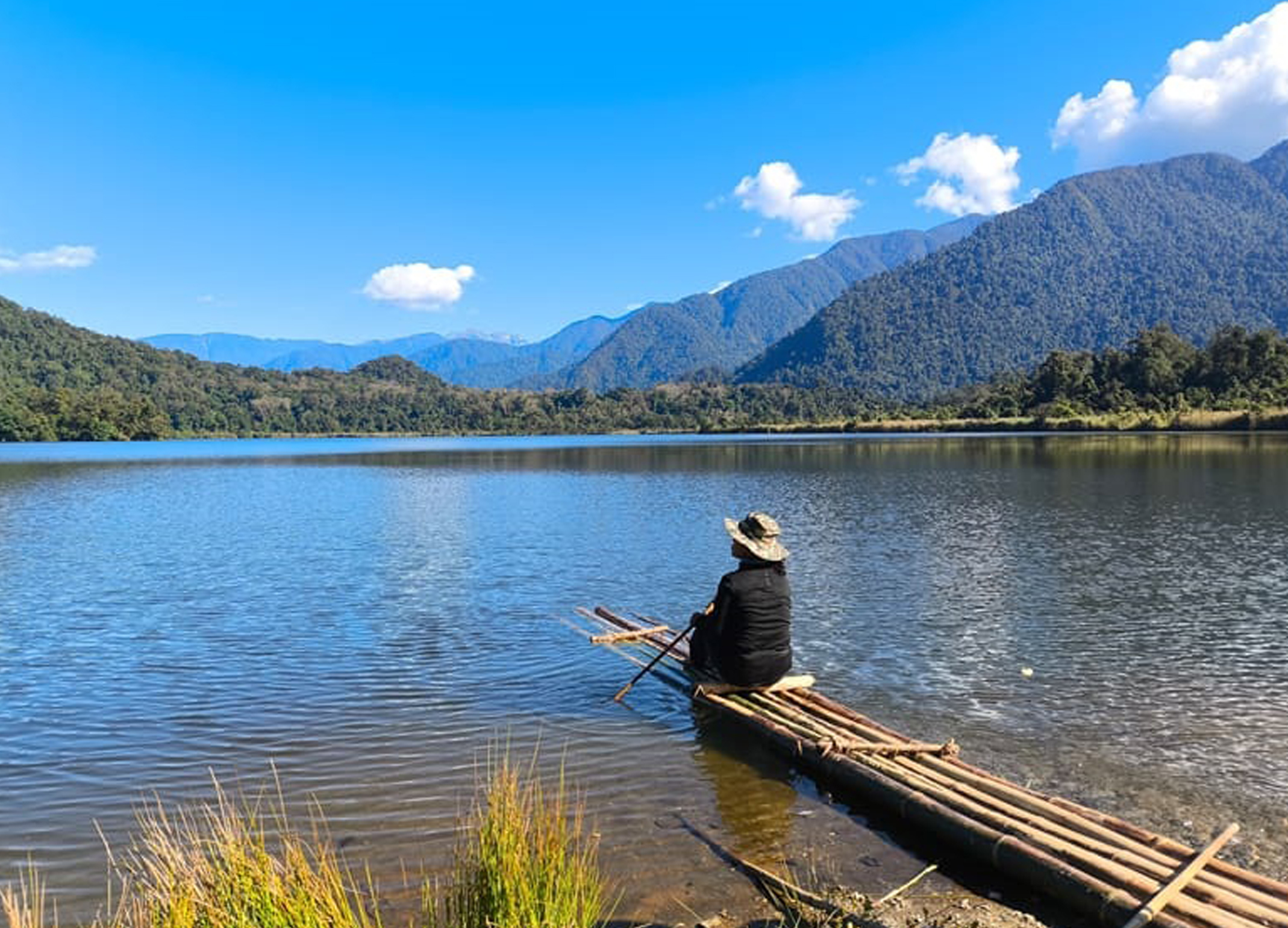
Glaw Lake was recently designated as Arunachal Pradesh’s First and India’s 101st Ramsar Site. It is located within the Kamlang Tiger Reserve and Wildlife Sanctuary. It hosts diverse flora and fauna sp...
Maritime chokepoints are vital points along shipping routes that facilitate the passage of substantial trade volumes. These chokepoints control the global essential supplies such as oil, gas, fertiliz...
What if India's pathway to net zero does not end at factories—but begins where terrestrial meets the coastal? As carbon emissions rise and climate risks intensify, the search for solutions has largely...
India is set to embark on a new chapter in its Polar exploration journey with the construction of Maitri II. The Indian government plans to establish a new research station near the existing Maitri ba...
A weather condition characterised by low temperatures, winds with 35 mph or greater, and sufficient falling and/or blowing snow in the air to reduce visibility to 1/4 mile or less for a duration of at least 3 hours. A severe blizzard is characterised by temperatures below -12OC, winds exceeding 45 mph, and visibility reduced by snow to near zero.
An extreme precipitation event a cloudburst may occur with hail and thunder, which normally lasts no longer than a several minutes but is capable of creating floods. Colloquially, the term cloudburst may be used to describe any sudden heavy, brief, and unprecedented rainfall.
A weather phenomenon distinguished by a sudden cooling of the air, with a rapid fall in temperature within a 24 hour period, requiring substantially increased protection. The precise criterion for a cold wave is determined by the rate at which the temperature falls, and the minimum to which it falls.
A warming phenomena of the surface waters of the tropical Pacific that occurs every 3 to 5 years, temporarily affecting weather worldwide.
A tornado-like rotating column of fire and smoke created by intense heat from a forest fire or volcanic eruption.
Also known as the hypocenter, the term refers to the site of an earthquake. An earthquake's hypocenter is the position where the strain energy stored in the rock is first released, marking the point where the fault begins to rupture. This occurs at the focal depth below the epicenter.
A medical condition that occurs due excessive exposure to extremely cold weather. It usually affects the extremities of the human body. Frostbite is dangerous as there is no sensation of pain, and the victims may not even know that they have been frostbitten.
Sudanese name for a duststorm or sandstorm characterised by strong winds that carry small particles of dirt or sand into the air - particularly severe in areas of drought.
A form of very short-range weather forecasting, covering only a very specific geographic area. A now cast is loosely defined as a forecast for the coming 12-hour period, based on detailed observational data.