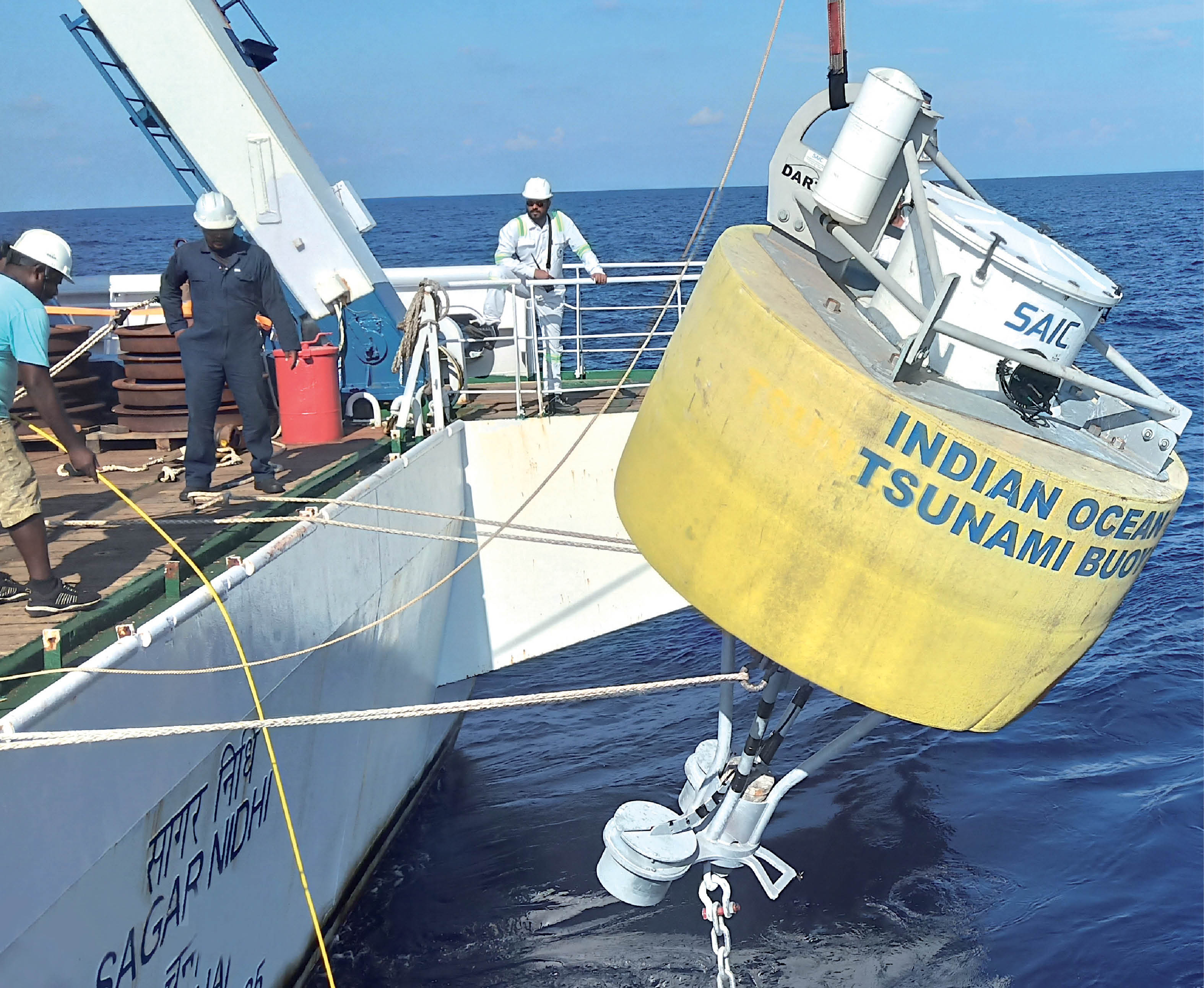
Deep-ocean tsunami detection buoys are a type of instrument used to confirm the arrival of tsunami waves generated by undersea earthquakes. A typical tsunami buoy system comprises two components; the pressure sensor anchored to the sea floor and the surface buoy. The sensor on the sea floor measures the change in height of the water column above by measuring associated changes in the water pressure. India has deployed a total of seven tsunami buoys.
Abstract: The Indian Ocean tsunami, triggered by the Sumatra-Andaman earthquake on December 26, 2004, caused approximately 2,30,000 casualties and widespread damage to infrastructure in several Indian Ocean rim countries. In fact, the 2004 tsunami was one of the strongest and deadliest ever recorded in terms of magnitude, which put into perspective the need to set up an early warning system for tsunamis in India. Following the 2004 tsunami, the Indian Tsunami Early Warning System (ITEWS) was established to provide early warnings on impending tsunamis triggered due to earthquakes in the Indian Ocean. This article describes various components of ITEWS, the decision support system and the bulletins. It also discusses issues, challenges and future developments.
The authors are Senior Scientist and Head, Tsunami and Storm Surge Early Warning Services Group (TWG); Scientist E -TWG; Scientist C-TWG; Scientist D-TWG; Scientist E-TWG; Scientist C-TWG; Scientist D-TWG; Scientist D-TWG; and, Director respectively of ESSO-Indian National Centre for Ocean Information Services (INCOIS), Hyderabad. pattabhi@incois.gov.in. The article should be cited as Rao E.P.R., C.P. Kumar, B.A. Kumar, M.V. Sunanda and R.S. Mahendra, 2020. Indian Tsunami Early Warning System Future Developments, Geography and You, 20(6-7): 40-47.
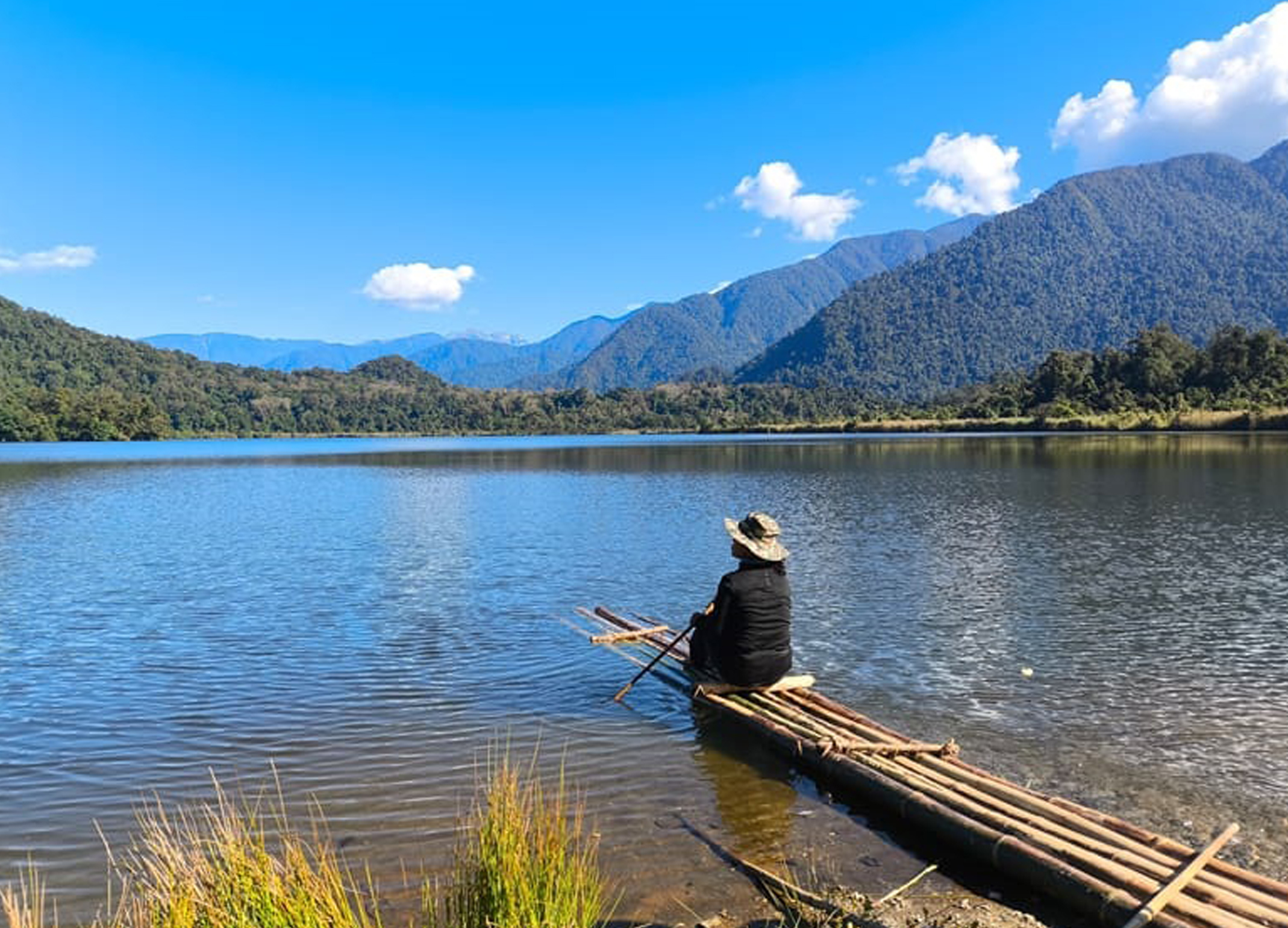
Glaw Lake was recently designated as Arunachal Pradesh’s First and India’s 101st Ramsar Site. It is located within the Kamlang Tiger Reserve and Wildlife Sanctuary. It hosts diverse flora and fauna sp...
Maritime chokepoints are vital points along shipping routes that facilitate the passage of substantial trade volumes. These chokepoints control the global essential supplies such as oil, gas, fertiliz...
What if India's pathway to net zero does not end at factories—but begins where terrestrial meets the coastal? As carbon emissions rise and climate risks intensify, the search for solutions has largely...
India is set to embark on a new chapter in its Polar exploration journey with the construction of Maitri II. The Indian government plans to establish a new research station near the existing Maitri ba...