Corporate Social Responsibility and Climate Change
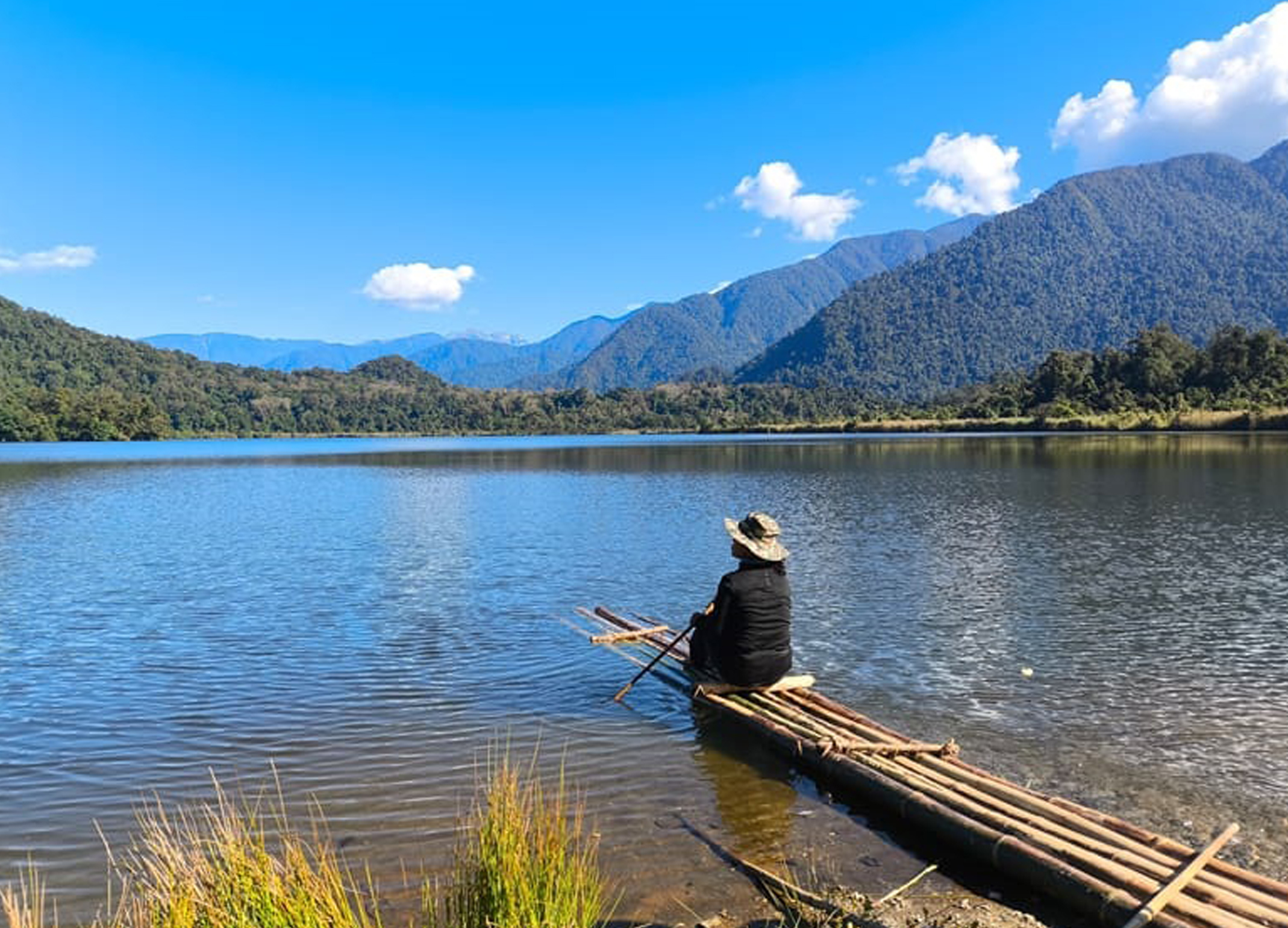
Glaw Lake was recently designated as Arunachal Pradesh’s First and India’s 101st Ramsar Site. It is located within the Kamlang Tiger Reserve and Wildlife Sanctuary. It hosts diverse flora and fauna sp...
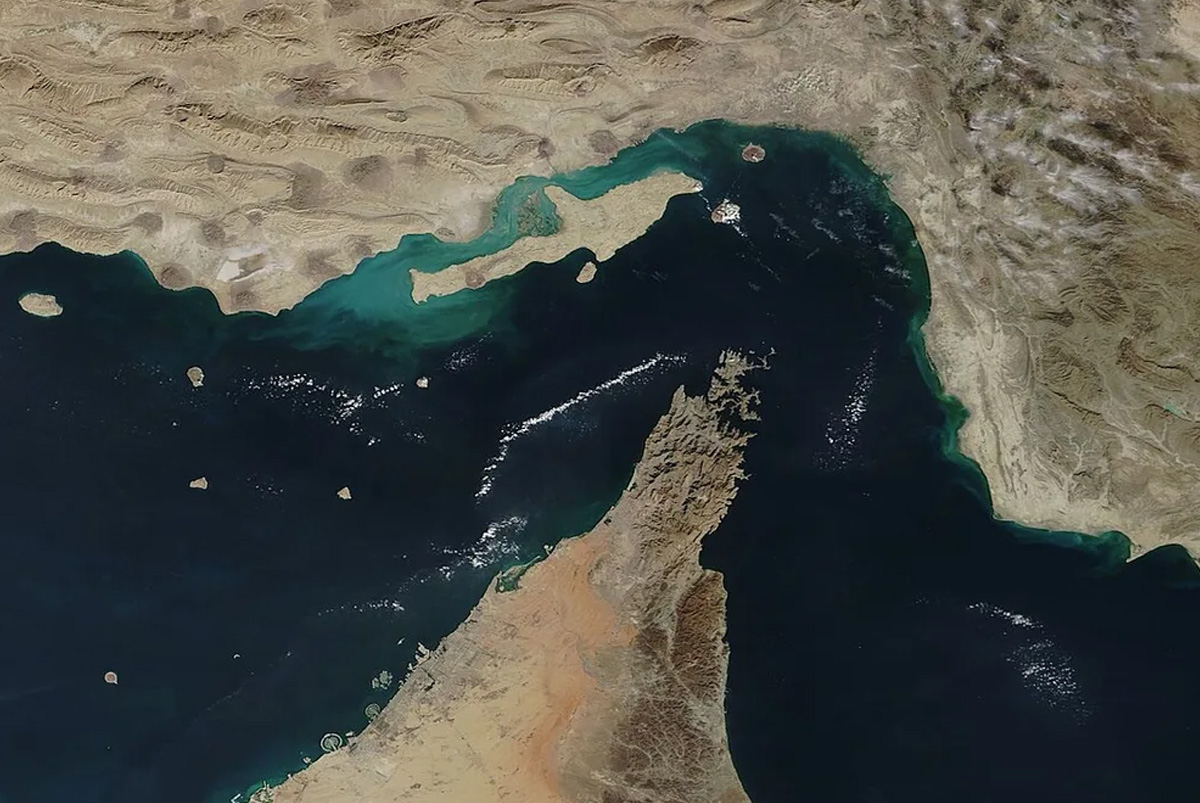
Maritime chokepoints are vital points along shipping routes that facilitate the passage of substantial trade volumes. These chokepoints control the global essential supplies such as oil, gas, fertiliz...
ENVIRONMENT, EARTH SCIENCE, BIODIVERSITY, E ARTICLE
What if India's pathway to net zero does not end at factories—but begins where terrestrial meets the coastal? As carbon emissions rise and climate risks intensify, the search for solutions has largely...
CSR can be an effective tool for mitigating climate change. It is the duty of corporations to redress climate change through environment-friendly manufacturing techniques, adoption of a green, transpa...
The idea is being mooted to save vast tracts of land from annual floods, besides diverting waters to parched regions. However, experts question the assumption of surplus water in any basin. Instead o...
Geological processes in the Himalaya that bring natural catastrophes are continuously in motion. Though the natural processes can never be completely controlled the impact can be minimised through sus...
The developed countries while understanding their historic responsibilities towards climate change should assist the developing countries with technology transfer, mitigation and funding to ensure cli...
CSR can be an effective tool for mitigating climate change. It is the duty of corporations to redress climate change through environment-friendly manufacturing techniques, adoption of a green, transparent policy and environmental disclosure.
The idea is being mooted to save vast tracts of land from annual floods, besides diverting waters to parched regions. However, experts question the assumption of surplus water in any basin. Instead of grandiose schemes, simple methods to conserve every drop may help solve the problem.
Geological processes in the Himalaya that bring natural catastrophes are continuously in motion. Though the natural processes can never be completely controlled the impact can be minimised through sustainable use of natural resources and effective planning in tune with the terrain and geo-location.