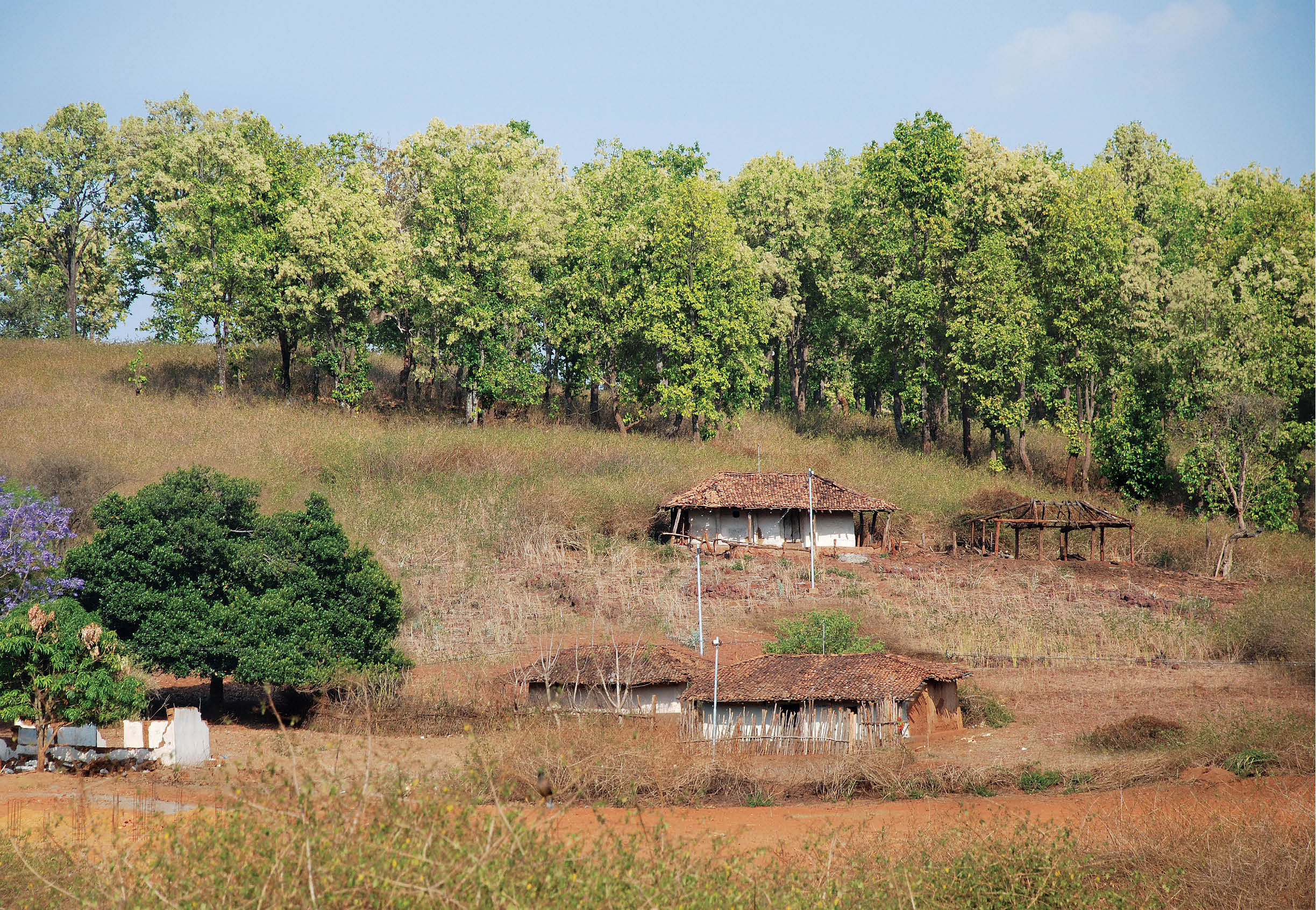
Abstract: India has so far documented over 91,200 species of animals and 45,500 species of plants in its 10 biogeographic regions. The varied edaphic, climatic and topographic conditions and years of geological stability have resulted in a wide range of ecosystems and habitats such as forests, grasslands, wetlands, deserts, and coastal and marine ecosystem.
Extract from India’s Fourth National Report to the Convention on Biological Diversity, Ministry of Environment and Forests, 2009.
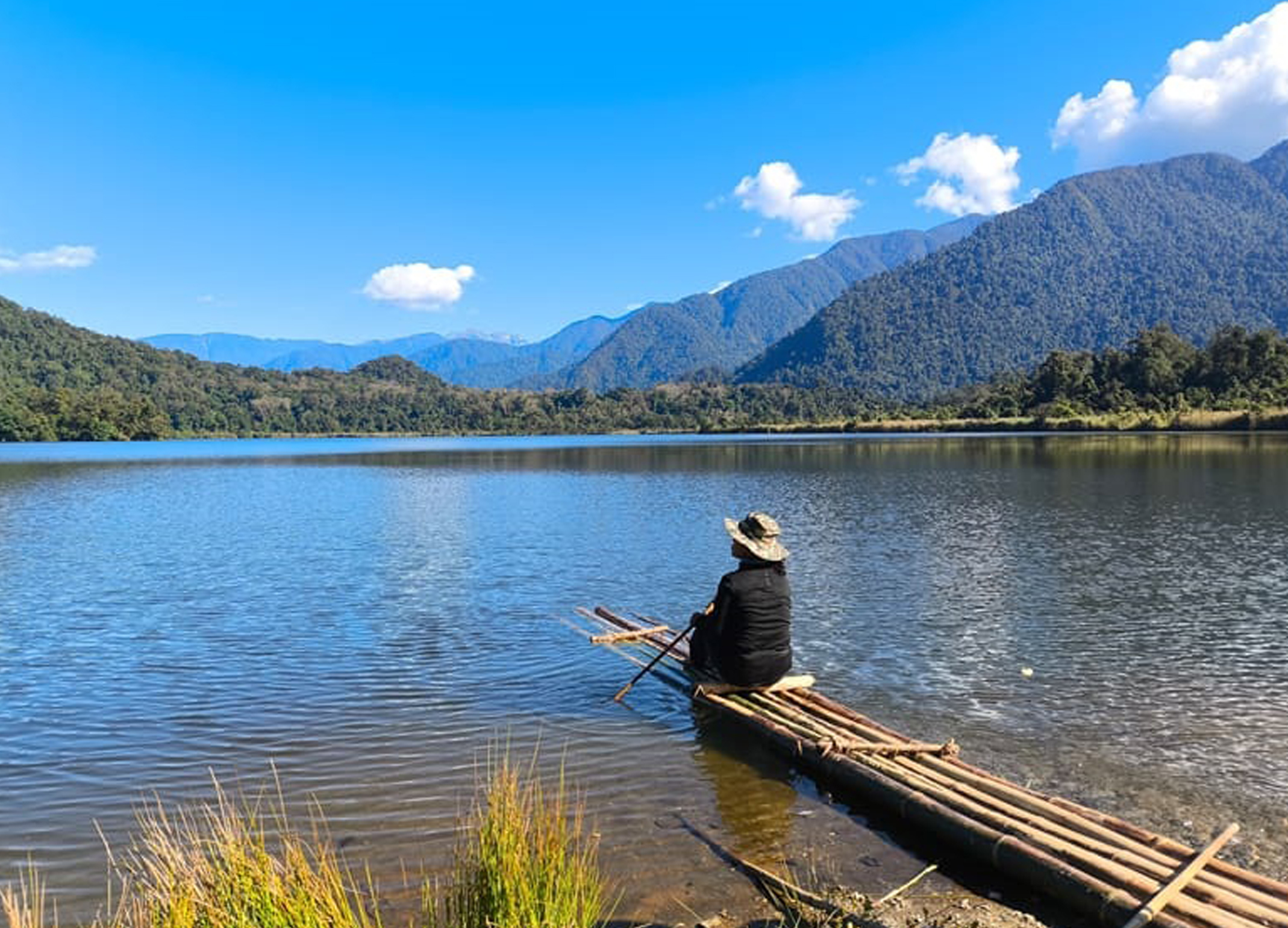
Glaw Lake was recently designated as Arunachal Pradesh’s First and India’s 101st Ramsar Site. It is located within the Kamlang Tiger Reserve and Wildlife Sanctuary. It hosts diverse flora and fauna sp...
Maritime chokepoints are vital points along shipping routes that facilitate the passage of substantial trade volumes. These chokepoints control the global essential supplies such as oil, gas, fertiliz...
What if India's pathway to net zero does not end at factories—but begins where terrestrial meets the coastal? As carbon emissions rise and climate risks intensify, the search for solutions has largely...
India is set to embark on a new chapter in its Polar exploration journey with the construction of Maitri II. The Indian government plans to establish a new research station near the existing Maitri ba...