3D Imaging and National Aquifer Mapping Programme
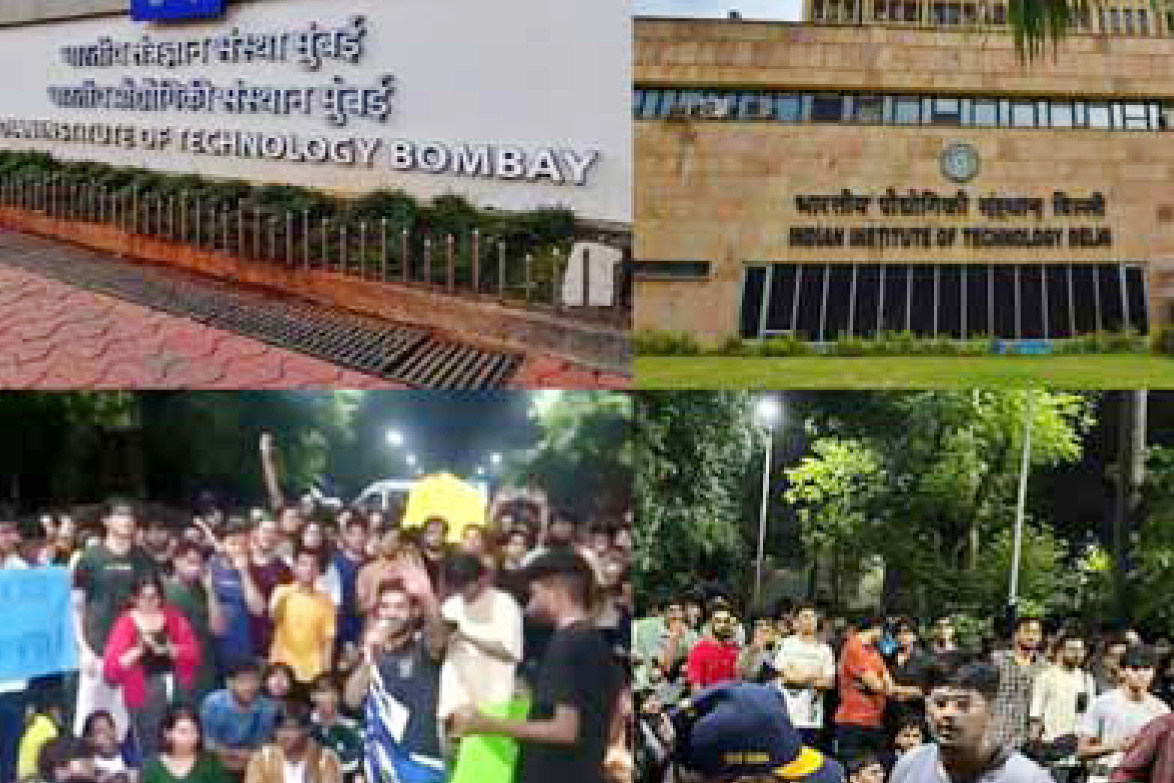
Student distress is an increasingly recognised concern, poignantly reflected in the rising instances of student suicides across institutions of higher learning in India. Despite institutional mechanis...
ENVIRONMENT, FORESTS, BIODIVERSITY
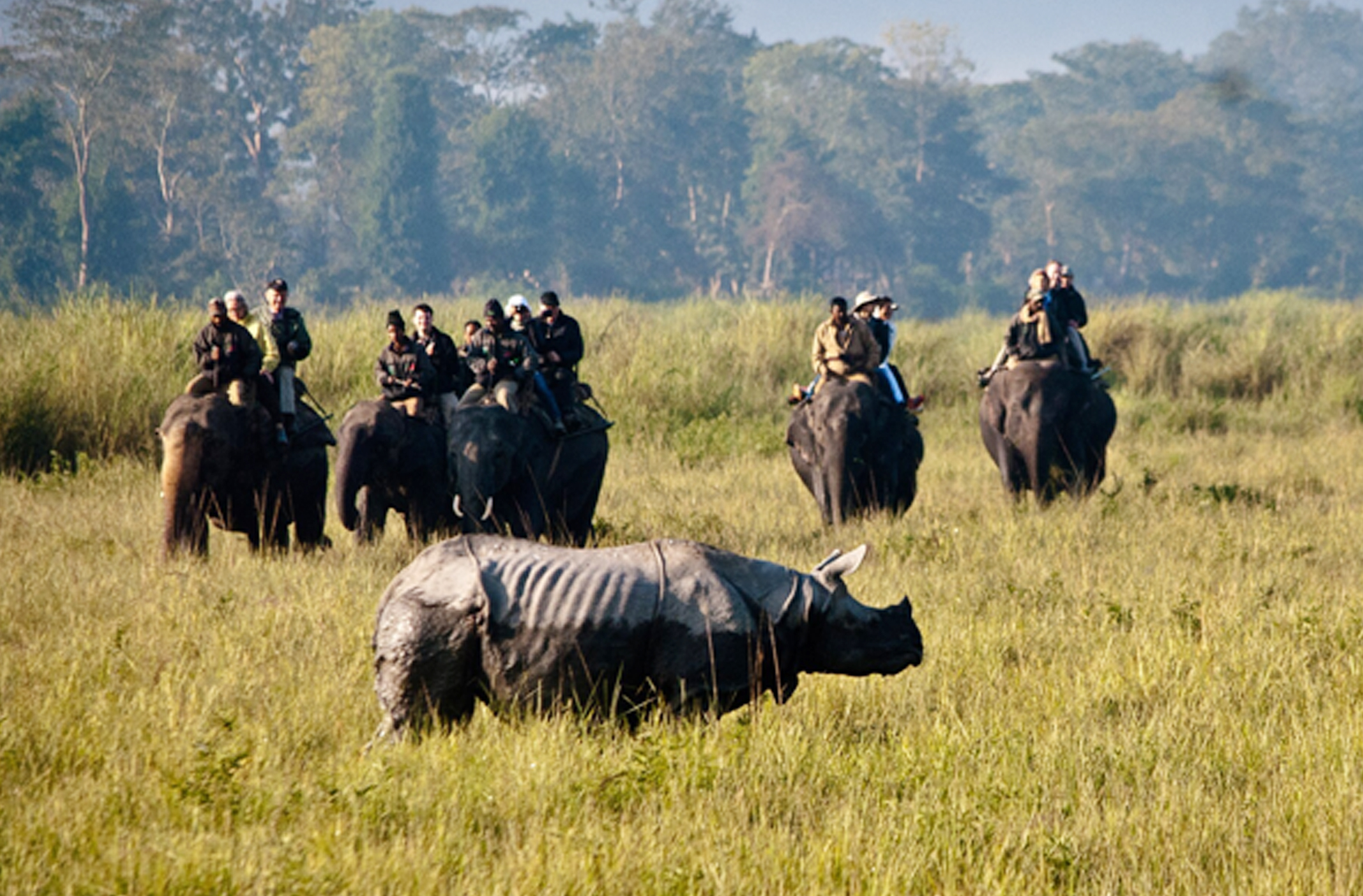
Assam Chief Minister Himanta Biswa Sarma has announced plans to reduce the Kaziranga Eco-Sensitive Zone (ESZ) to one km as opposed to the current 10 km. The state government’s intention has raised con...
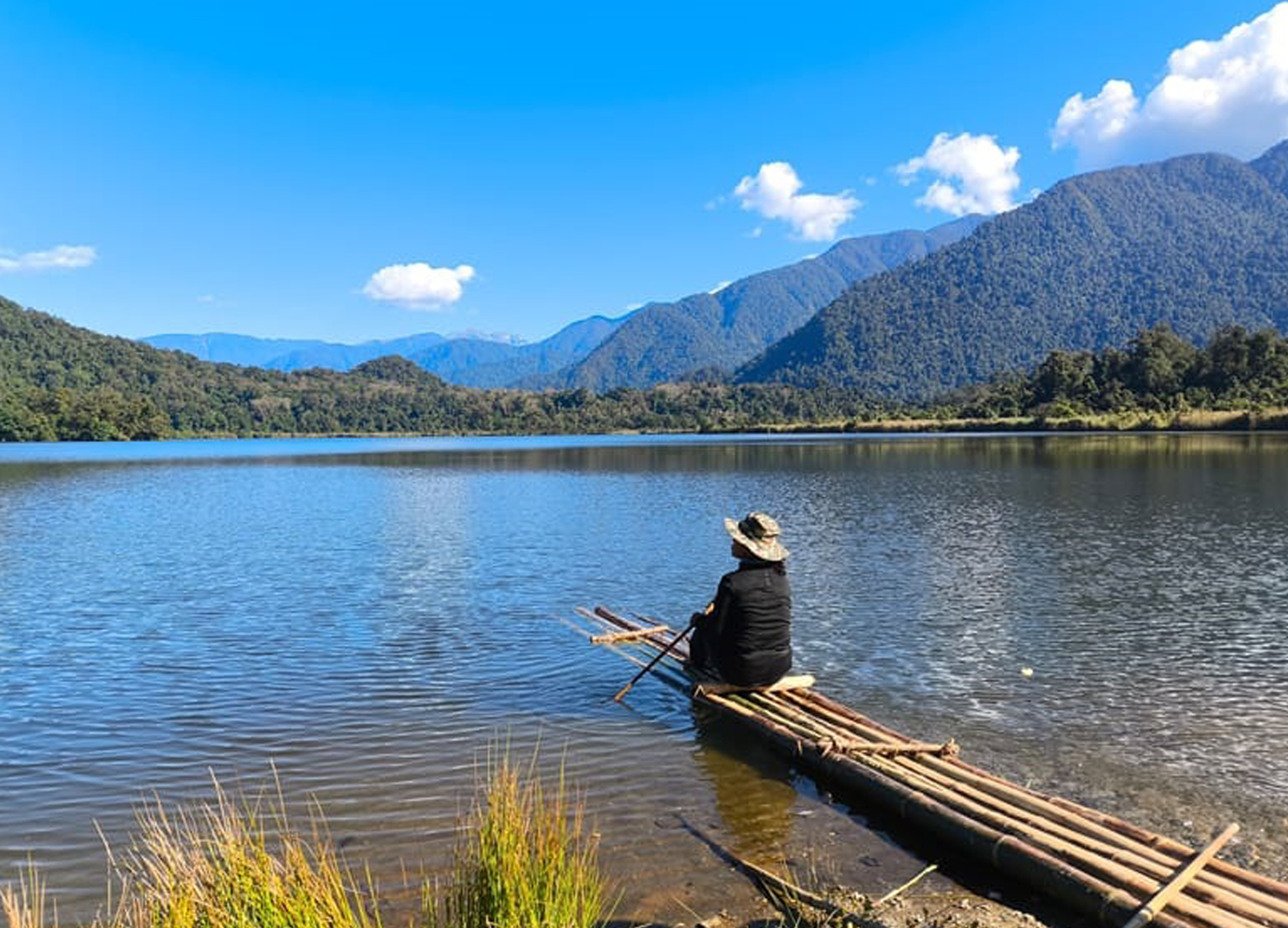
Glaw Lake was recently designated as Arunachal Pradesh’s First and India’s 101st Ramsar Site. It is located within the Kamlang Tiger Reserve and Wildlife Sanctuary. It hosts diverse flora and fauna sp...
A futuristic programme that intends to define the geometry and hydrochemistry of India’s natural aquifers in a national database which can act as an important point of reference for water resources ma...
In the last few decades, there has been a tremendous overexploitation of India’s groundwater resources, particularly in the Punjab-Haryana region, due to cheap and easy groundwater pumping and drillin...
With advancements in the science of simulation modelling, climate models have improved their projection capabilities. This can have an important bearing on the future hydrology of flowing surface wate...
Inter-state water disputes have been the country’s bane ever since reorganization of India into linguistic states. A paradigm shift in water management, wherein riparian hydropolitics is discarded in...
A futuristic programme that intends to define the geometry and hydrochemistry of India’s natural aquifers in a national database which can act as an important point of reference for water resources management.
In the last few decades, there has been a tremendous overexploitation of India’s groundwater resources, particularly in the Punjab-Haryana region, due to cheap and easy groundwater pumping and drilling technologies accompanied by decision distorting energy subsidies.
With advancements in the science of simulation modelling, climate models have improved their projection capabilities. This can have an important bearing on the future hydrology of flowing surface waters in the current context of climate change.