Farmer Suicides in India Causes and impacts
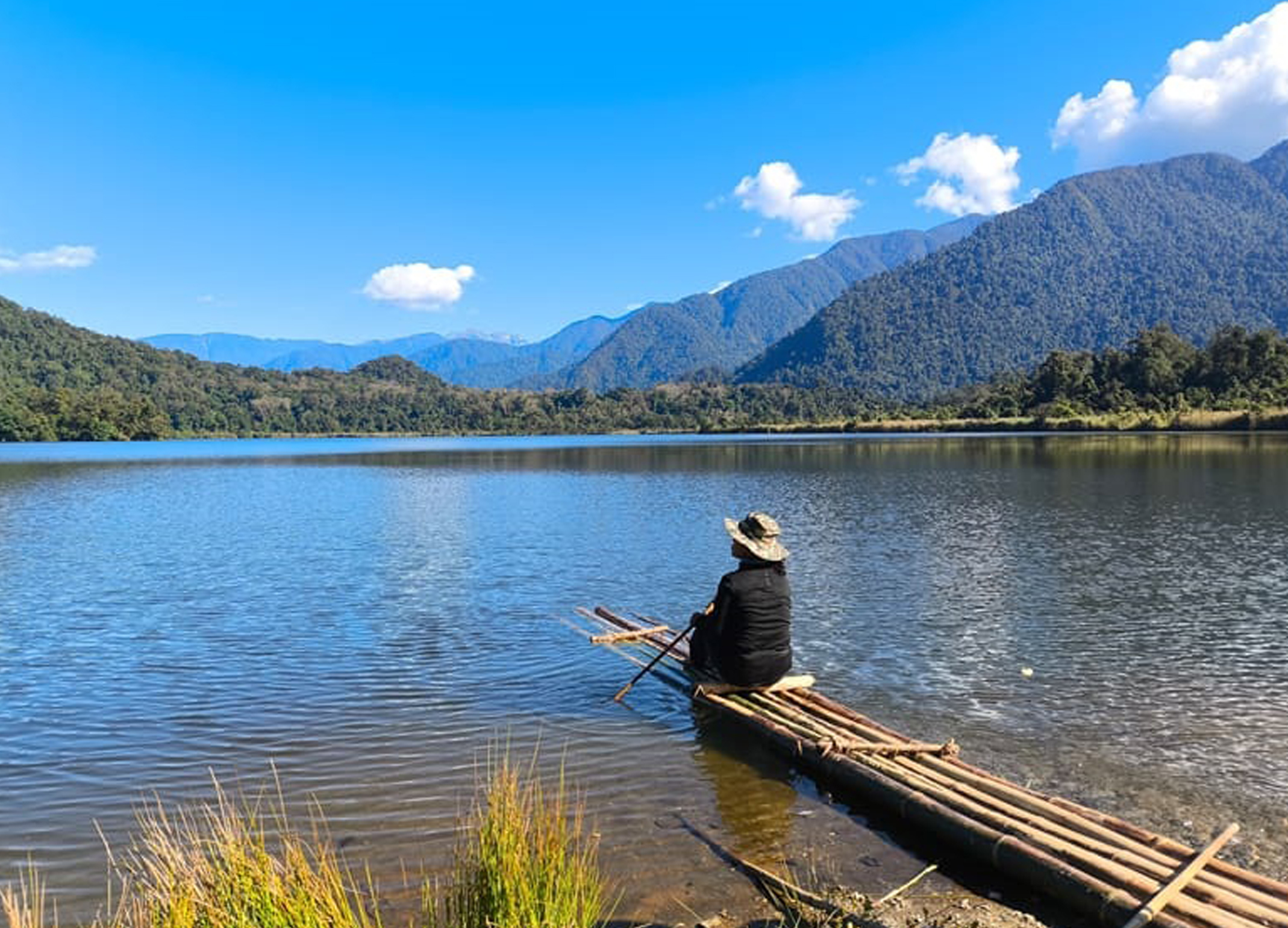
Glaw Lake was recently designated as Arunachal Pradesh’s First and India’s 101st Ramsar Site. It is located within the Kamlang Tiger Reserve and Wildlife Sanctuary. It hosts diverse flora and fauna sp...
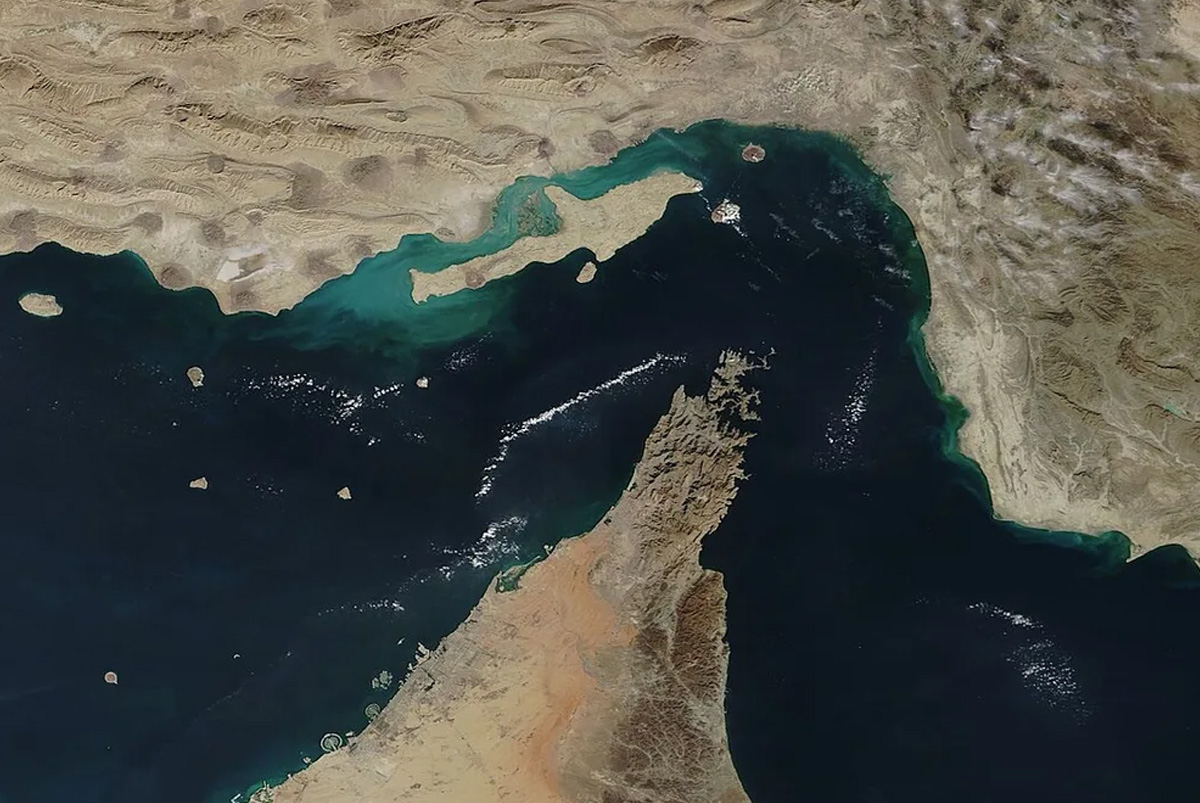
Maritime chokepoints are vital points along shipping routes that facilitate the passage of substantial trade volumes. These chokepoints control the global essential supplies such as oil, gas, fertiliz...
ENVIRONMENT, EARTH SCIENCE, BIODIVERSITY, E ARTICLE
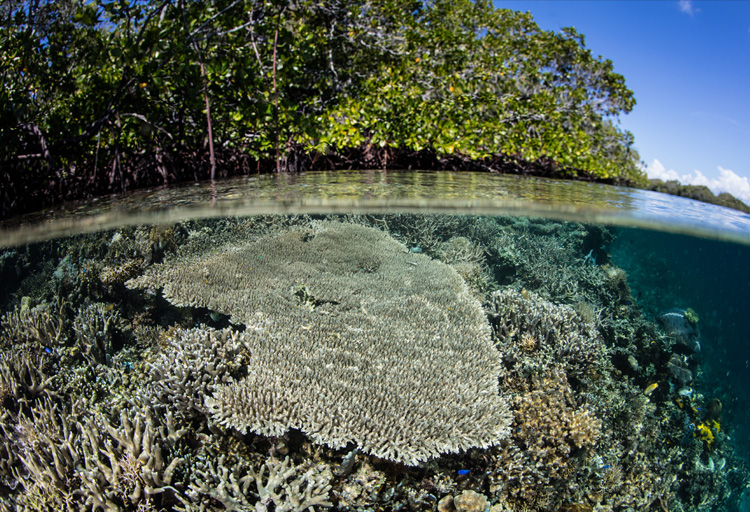
What if India's pathway to net zero does not end at factories—but begins where terrestrial meets the coastal? As carbon emissions rise and climate risks intensify, the search for solutions has largely...
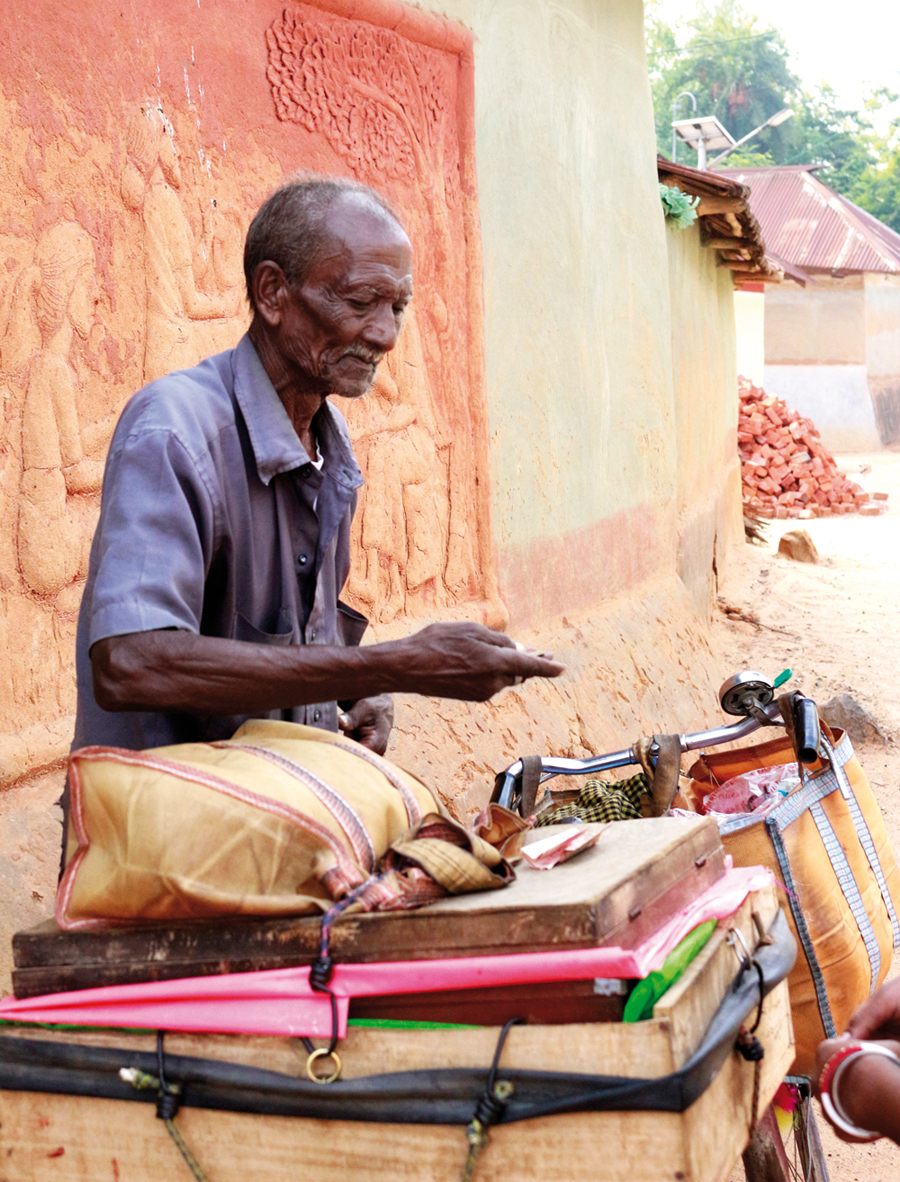
Economic distress, coupled with social isolation and remoteness of location often leads to farmers committing suicide in India. Based on a nation-wide survey the paper outlines how rich farmers, as...
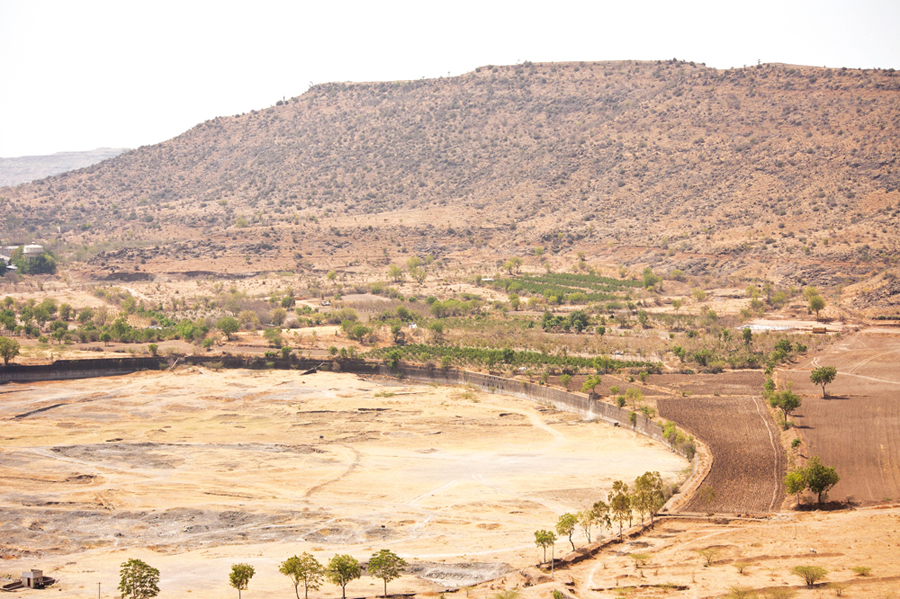
The rainfed areas have remained in the margins of India’s growth trajectory. Despite measures to address the crucial concern of farming practices in the region, policymakers have largely been unable t...
Rural diversification has a strong linkage with rural livelihood. In the last three decades, rural employment has seen a shift from the farm sector to non-farm sectors. The structure and pattern of t...
Economic distress, coupled with social isolation and remoteness of location often leads to farmers committing suicide in India. Based on a nation-wide survey the paper outlines how rich farmers, as opposed to the poorer ones, are able handle agricultural indebtedness from alternate sources of income.
The rainfed areas have remained in the margins of India’s growth trajectory. Despite measures to address the crucial concern of farming practices in the region, policymakers have largely been unable to devise a long-term strategy to uplift the region’s shackled agricultural growth.
Rural diversification has a strong linkage with rural livelihood. In the last three decades, rural employment has seen a shift from the farm sector to non-farm sectors. The structure and pattern of transition is towards casualisation—increase in daily wage earners rather than regular wage earners.