Abstract: This article investigates the evolving understanding of sustainability by tracing its roots through geological epochs, civilizational collapses, demographic surges, and contemporary climate challenges. It exhorts the urgent need to move away from generic, rhetorical uses of sustainability and towards a context-specific, historically grounded, and ecologically attuned framework. Particularly focused on India, the article explores the unique vulnerabilities posed by demographic pressures, geomorphological features, and governance structures. It also critically evaluates the global Sustainable Development Goals (SDGs), offering a sharp lens on their relevance, contradictions, and adaptability for India's pressing realities. At a time when planetary resilience is stretched to its limits, the article calls for a radical rethinking of how we live, build, and sustain.
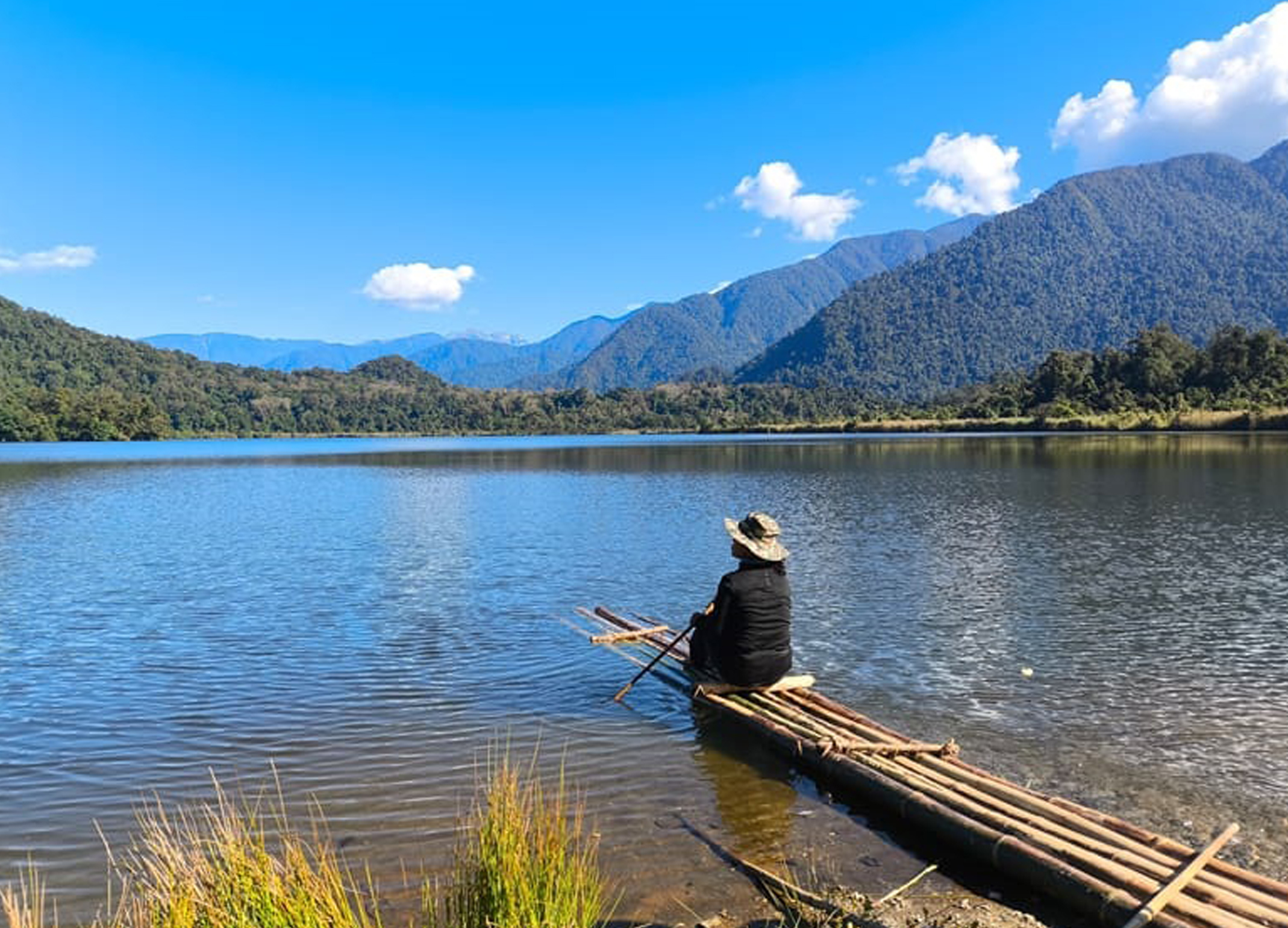
Glaw Lake was recently designated as Arunachal Pradesh’s First and India’s 101st Ramsar Site. It is located within the Kamlang Tiger Reserve and Wildlife Sanctuary. It hosts diverse flora and fauna sp...
Maritime chokepoints are vital points along shipping routes that facilitate the passage of substantial trade volumes. These chokepoints control the global essential supplies such as oil, gas, fertiliz...
What if India's pathway to net zero does not end at factories—but begins where terrestrial meets the coastal? As carbon emissions rise and climate risks intensify, the search for solutions has largely...
India is set to embark on a new chapter in its Polar exploration journey with the construction of Maitri II. The Indian government plans to establish a new research station near the existing Maitri ba...