Forecasting Heat: Science, Governance, and the Crisis of Compliance
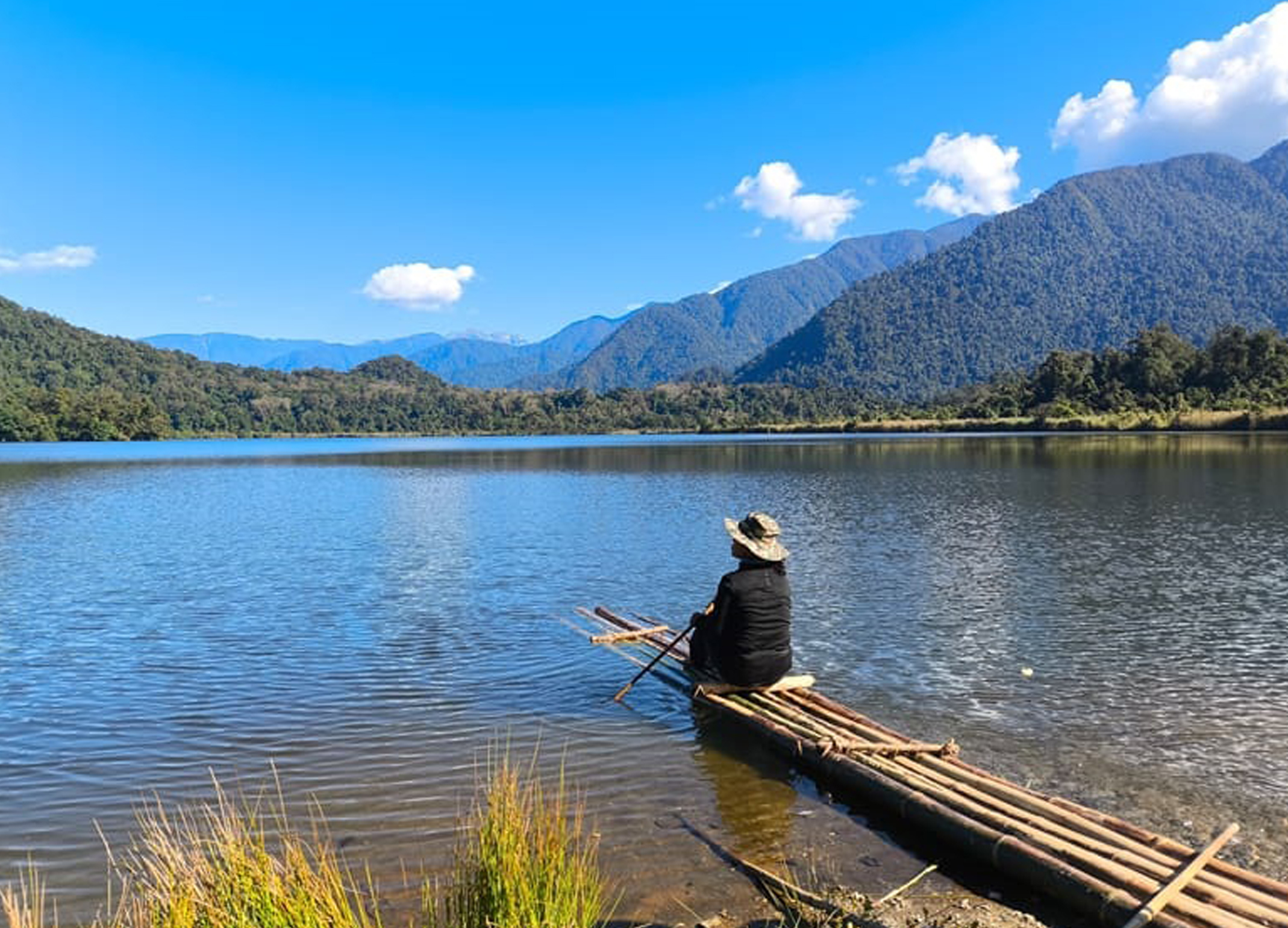
Glaw Lake was recently designated as Arunachal Pradesh’s First and India’s 101st Ramsar Site. It is located within the Kamlang Tiger Reserve and Wildlife Sanctuary. It hosts diverse flora and fauna sp...
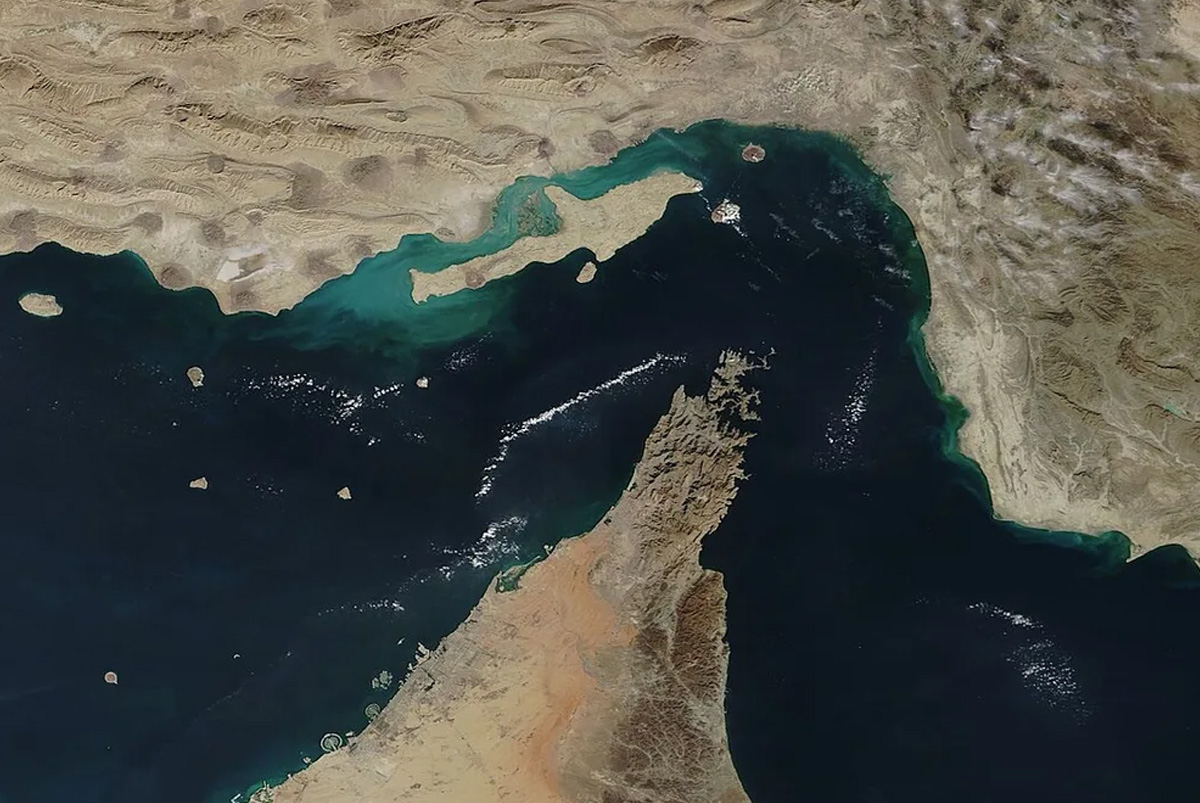
Maritime chokepoints are vital points along shipping routes that facilitate the passage of substantial trade volumes. These chokepoints control the global essential supplies such as oil, gas, fertiliz...
ENVIRONMENT, EARTH SCIENCE, BIODIVERSITY, E ARTICLE
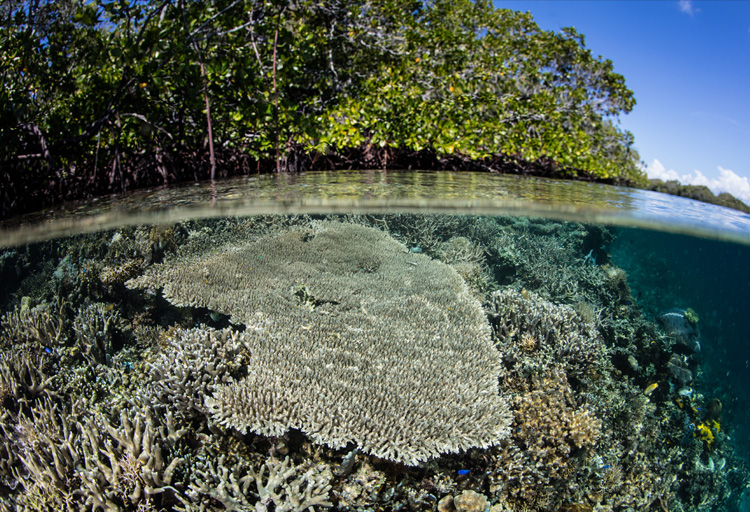
What if India's pathway to net zero does not end at factories—but begins where terrestrial meets the coastal? As carbon emissions rise and climate risks intensify, the search for solutions has largely...
Heatwaves in India have evolved from seasonal anomalies to one of the country’s most pressing climate emergencies. While the meteorological understanding of heatwaves has advanced significantly, facil...
The oceans, covering over 70 per cent of the Earth’s surface, have long been perceived as infinite reservoirs of resources. However, with the escalation of climate change impacts and pressures from hu...
Heatwaves are no longer episodic extremes but are increasingly becoming a structural feature of India’s climate landscape. Globally, nearly half a million people die each year from heat-related causes...
The conceptualization of the blue economy is rapidly evolving from a niche sub-sector to a central aspect of economic and ecological discourse. In this conversation, Pradeep Chauhan, Director General...
Heatwaves in India have evolved from seasonal anomalies to one of the country’s most pressing climate emergencies. While the meteorological understanding of heatwaves has advanced significantly, facilitating district-level forecasts and real-time monitoring, the institutional response remains uneven and often ineffective. Dr. K.J. Ramesh, former Director General of the Indian Meteorological Depart...
The oceans, covering over 70 per cent of the Earth’s surface, have long been perceived as infinite reservoirs of resources. However, with the escalation of climate change impacts and pressures from human activities, a strategic rethinking of ocean governance is imperative. In this edition of GnY Live, Dr. Bala Krishnan Nair, a senior scientist and Director at the Indian National Centre for Ocean I...
Heatwaves are no longer episodic extremes but are increasingly becoming a structural feature of India’s climate landscape. Globally, nearly half a million people die each year from heat-related causes, with Asia accounting for 45 percent of these deaths . Despite the apparent acclimatization to high temperatures in tropical countries, India is experiencing unprecedented mortality linked to heat st...