Snake Medicine of Tribal Bastar
India is set to embark on a new chapter in its Polar exploration journey with the construction of Maitri II. The Indian government plans to establish a new research station near the existing Maitri ba...
The Deep Ocean Mission (DOM), approved by the Government of India in 2021 under the Ministry of Earth Sciences (MoES), represents a strategic step in realizing Sustainable Development Goal 14 (SDG 14:...
China recently announced restrictions on the export of seven rare earth elements (REEs), soon after US President Donald Trump decided to impose tariffs. As the world's dominant supplier—responsible fo...
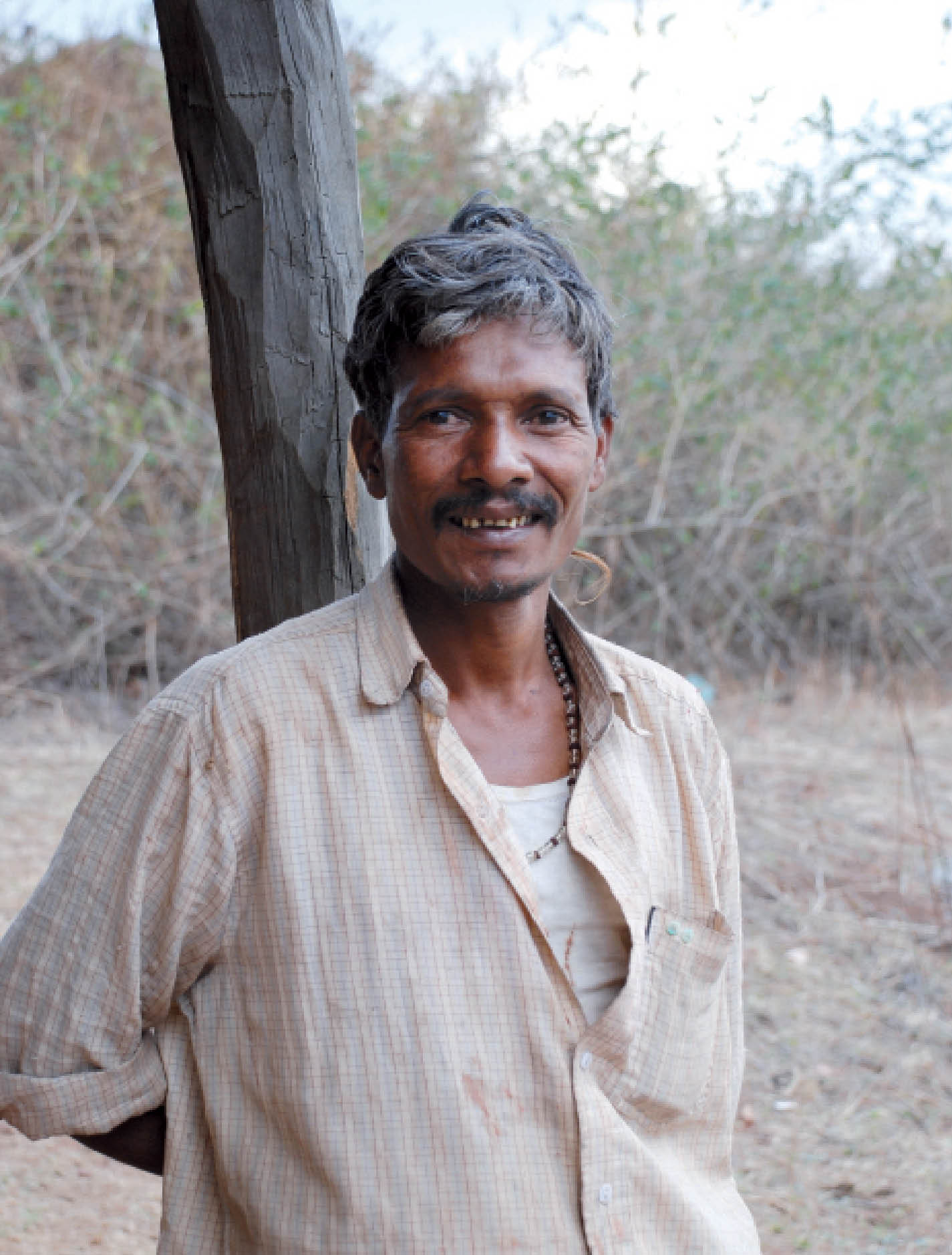
In India, snakes are sacred, held in reverence second only to perhaps the cows. The tribal people of Bastar, Chhattisgarh, have in fact adapted their lives around the reptiles and believe that snakes...
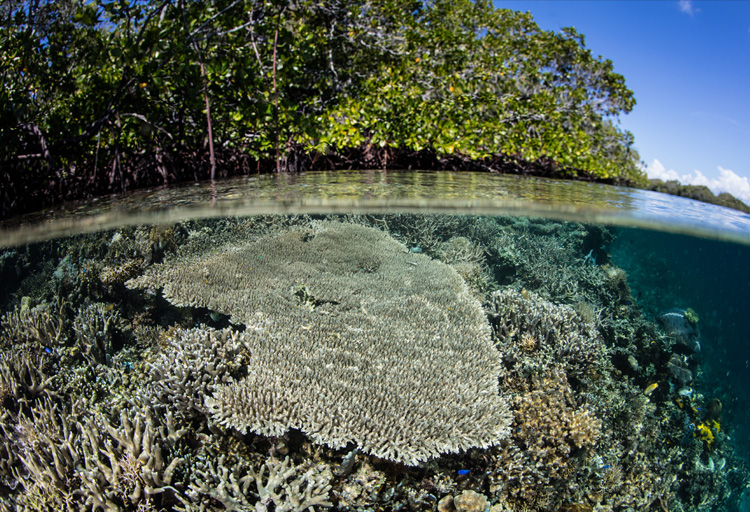
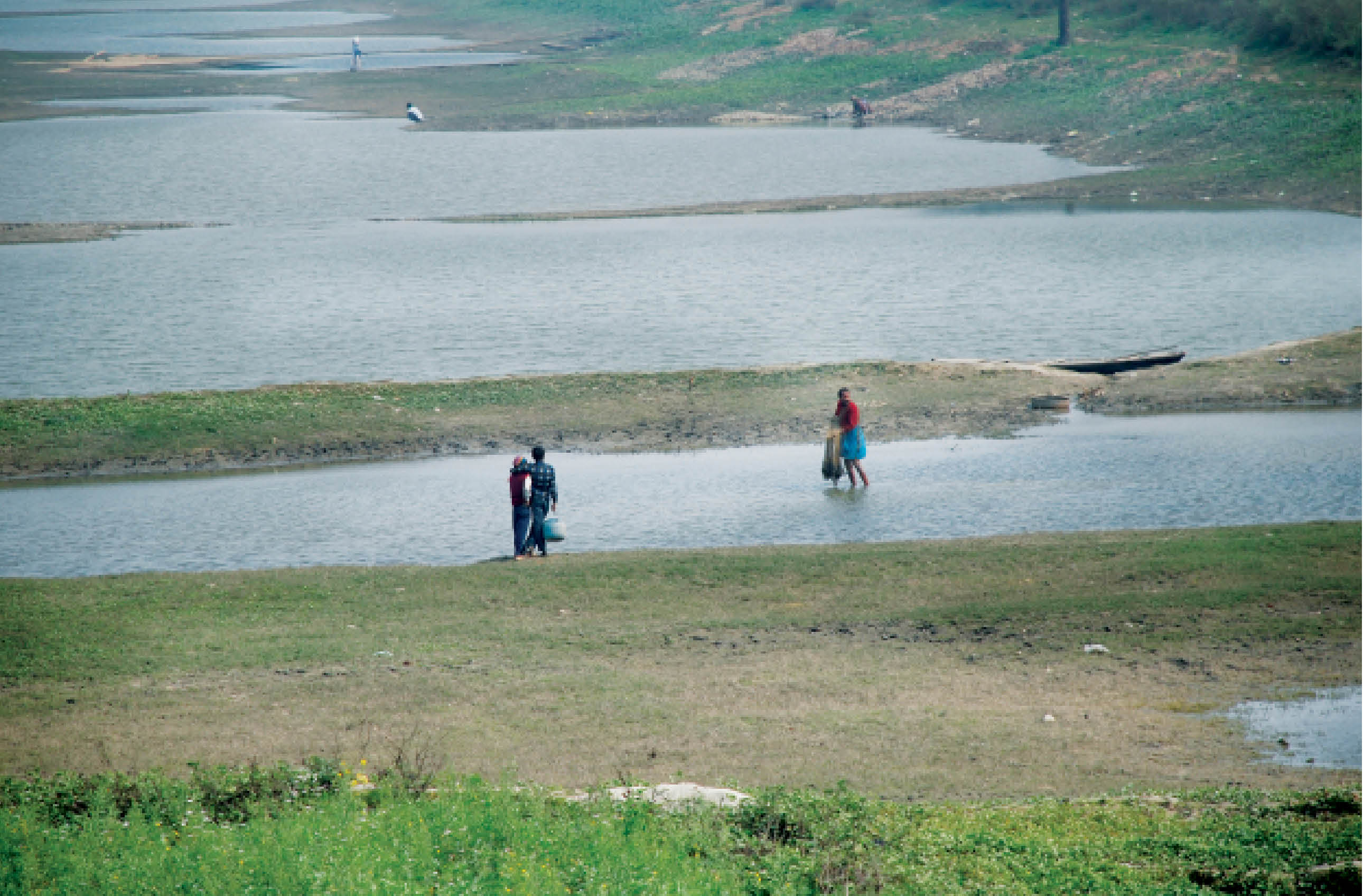
Wetlands occur where the water table is at or near the surface and land remains covered by water. Once treated as transitional habitats or seral stages in succession from open water to land, wetlands...
The total forest cover of the country as per the 2007 assessment of State of Forest Report is 78.37 million hectares which constitutes 23.84 per cent of the geographic area of India.
In India, snakes are sacred, held in reverence second only to perhaps the cows. The tribal people of Bastar, Chhattisgarh, have in fact adapted their lives around the reptiles and believe that snakes offer cures with great efficacy. Although modern medicine is known to use snake venom, but the traditional medicine systems of this region throw up challenges that are yet to be explored.
Wetlands occur where the water table is at or near the surface and land remains covered by water. Once treated as transitional habitats or seral stages in succession from open water to land, wetlands are now considered to be distinct ecosystems with specific ecological characteristics, functions and values.