What regulates our coastline: Coastal Regulation Zone Directives
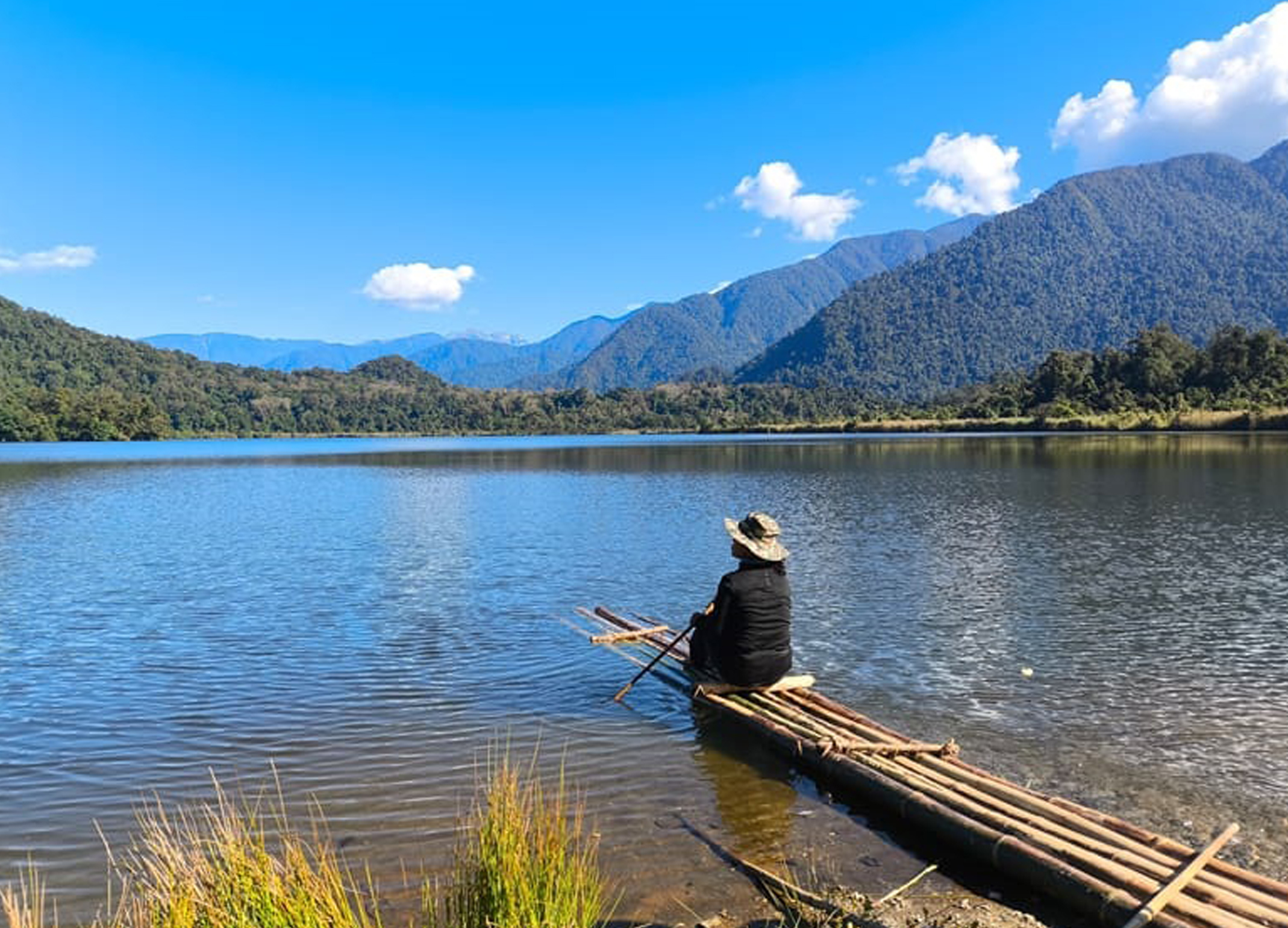
Glaw Lake was recently designated as Arunachal Pradesh’s First and India’s 101st Ramsar Site. It is located within the Kamlang Tiger Reserve and Wildlife Sanctuary. It hosts diverse flora and fauna sp...
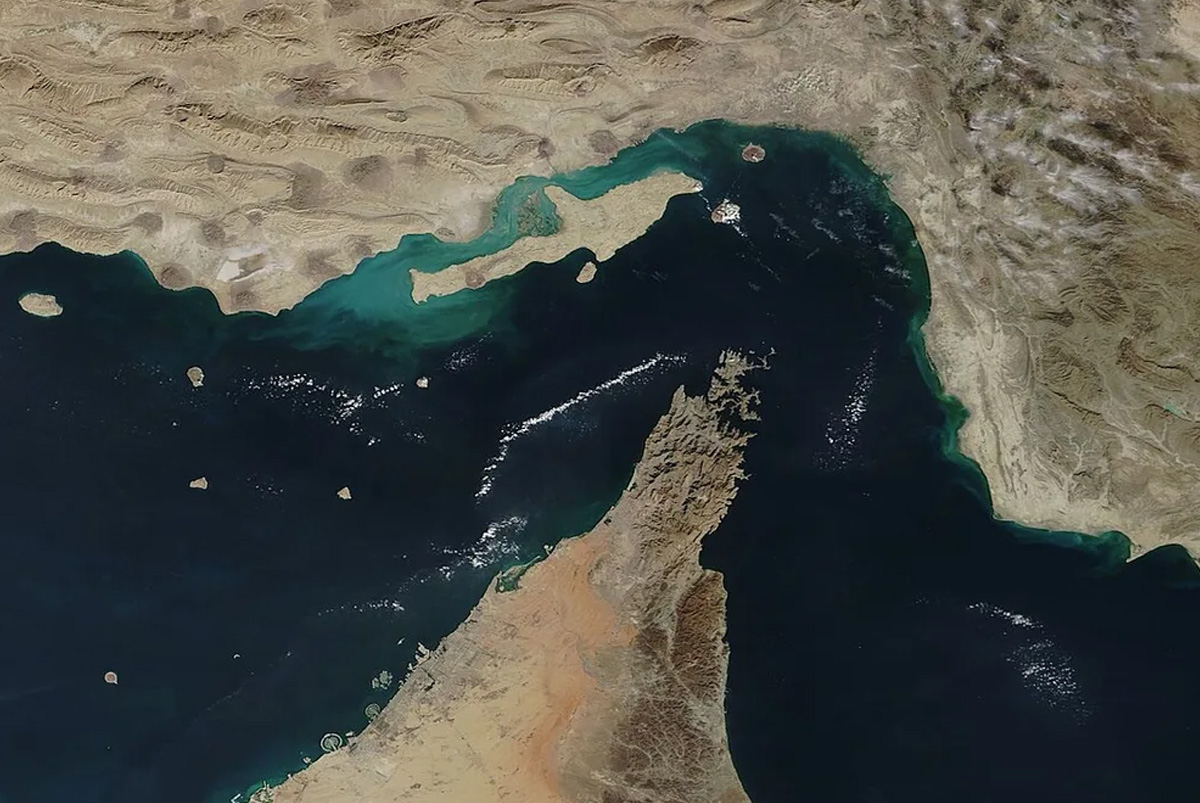
Maritime chokepoints are vital points along shipping routes that facilitate the passage of substantial trade volumes. These chokepoints control the global essential supplies such as oil, gas, fertiliz...
ENVIRONMENT, EARTH SCIENCE, BIODIVERSITY, E ARTICLE
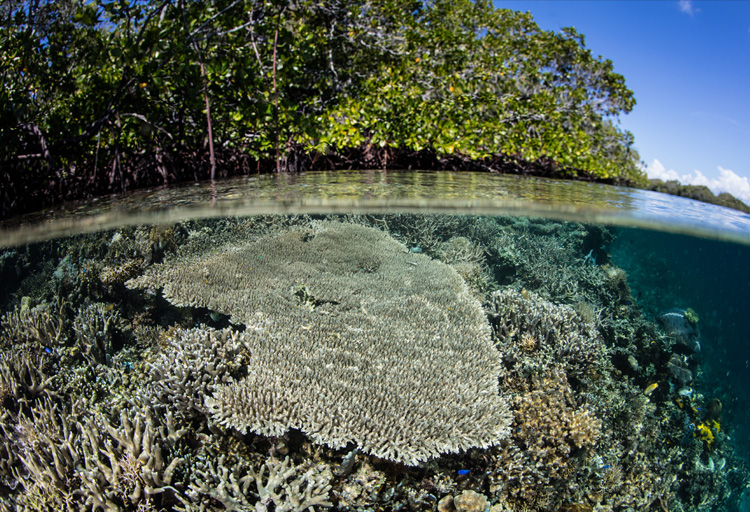
What if India's pathway to net zero does not end at factories—but begins where terrestrial meets the coastal? As carbon emissions rise and climate risks intensify, the search for solutions has largely...
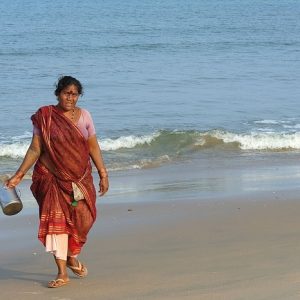
<p>Need for restrictions on Coastal Regulation Zone India has a vast coastline with nine states and four union territories having a sea-line running along their borders. Consequently, large population...
Causing the death of over 100,000 marine mammals and millions of fishes and birds annually, plastic waste dumped into the ocean has emerged as the biggest waste problem of planet Earth. While over 50...
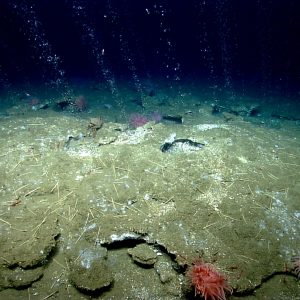
<p>The inorganic material making up pelagic deposits consist mainly of red clay that usually originates from volcanic activity. Red clay is mainly made up of silicon and aluminium dioxide, while the o...
<p>The United Nations Convention on the Law of the Sea (UNCLOS) is a comprehensive UN legal policy document demarcating areas of the sea under the jurisdiction of member states as well as legal clause...
<p>Need for restrictions on Coastal Regulation Zone India has a vast coastline with nine states and four union territories having a sea-line running along their borders. Consequently, large populations of people are dependent on the sea for their livelihood. The scenic beauty of the sea and coastal formations also attract tourists in huge numbers. Minerals […]</p>
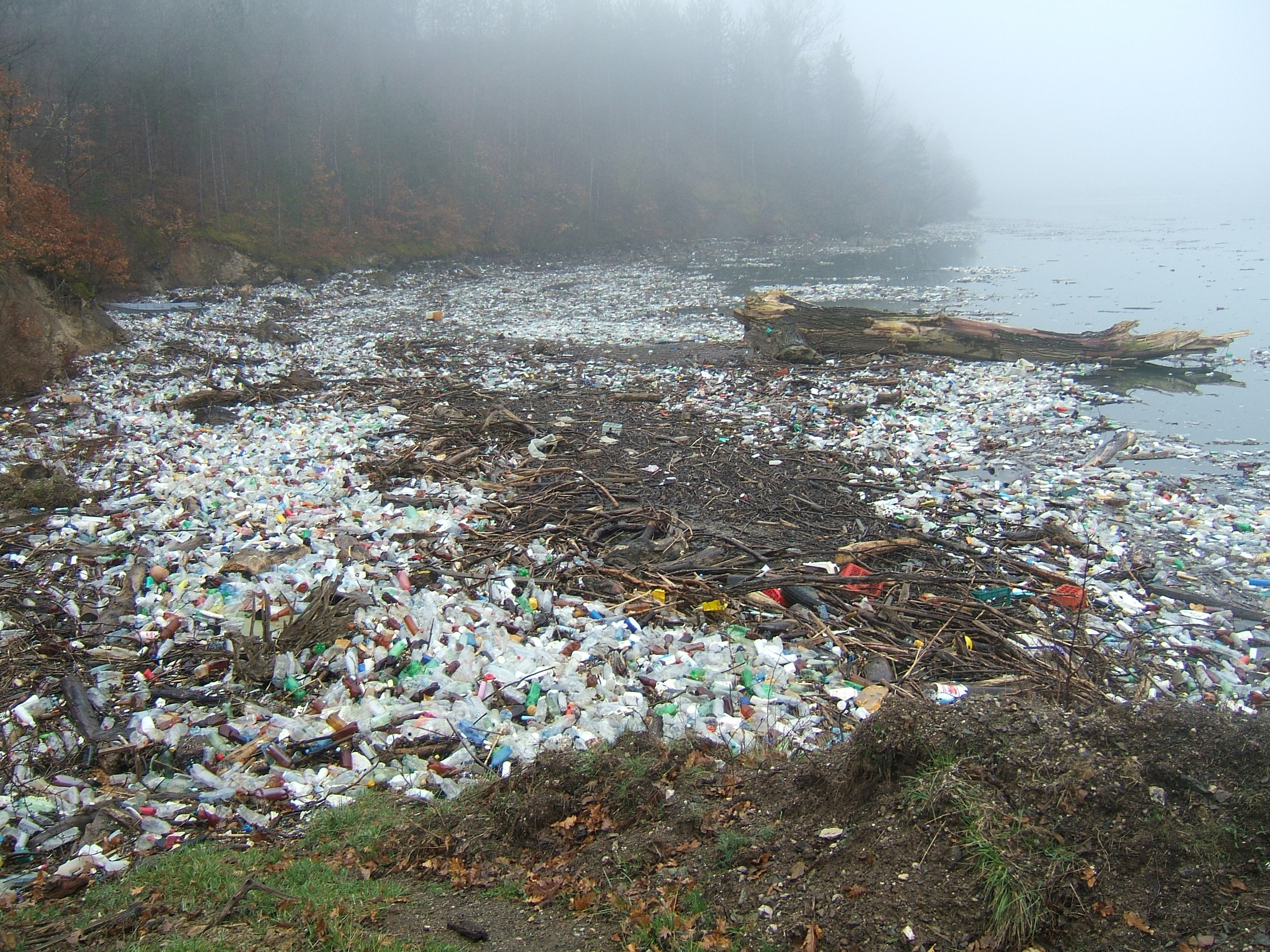
Causing the death of over 100,000 marine mammals and millions of fishes and birds annually, plastic waste dumped into the ocean has emerged as the biggest waste problem of planet Earth. While over 50 per cent of the ocean area is free of any national jurisdiction, increased ocean plastic is moving the world towards a global catastrophe.
<p>The inorganic material making up pelagic deposits consist mainly of red clay that usually originates from volcanic activity. Red clay is mainly made up of silicon and aluminium dioxide, while the other constituents can include radium, phosphorous manganese and iron. Red clay comprises the most widely distributed specific pelagic deposit and covers more than half of the total ocean floor in the...