Convention on Biological Diversity
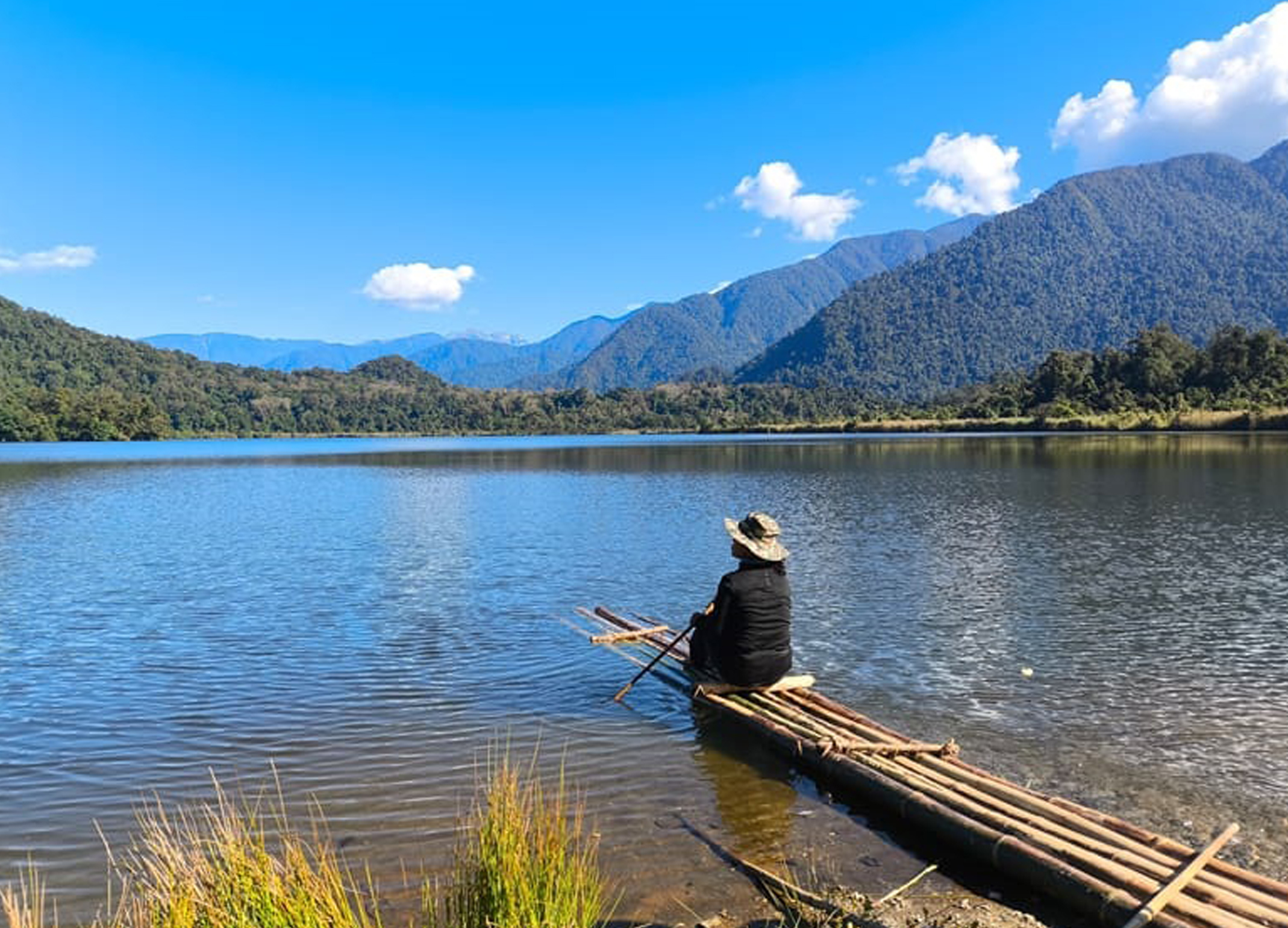
Glaw Lake was recently designated as Arunachal Pradesh’s First and India’s 101st Ramsar Site. It is located within the Kamlang Tiger Reserve and Wildlife Sanctuary. It hosts diverse flora and fauna sp...
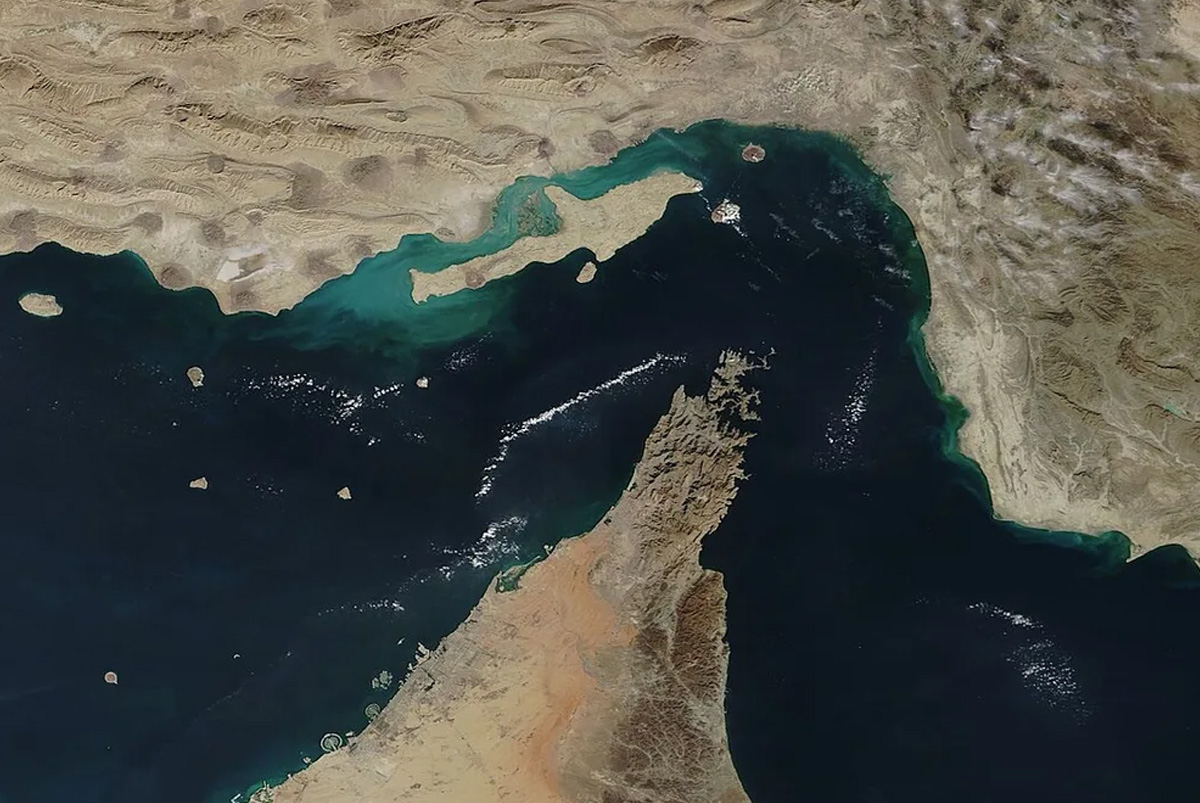
Maritime chokepoints are vital points along shipping routes that facilitate the passage of substantial trade volumes. These chokepoints control the global essential supplies such as oil, gas, fertiliz...
ENVIRONMENT, EARTH SCIENCE, BIODIVERSITY, E ARTICLE
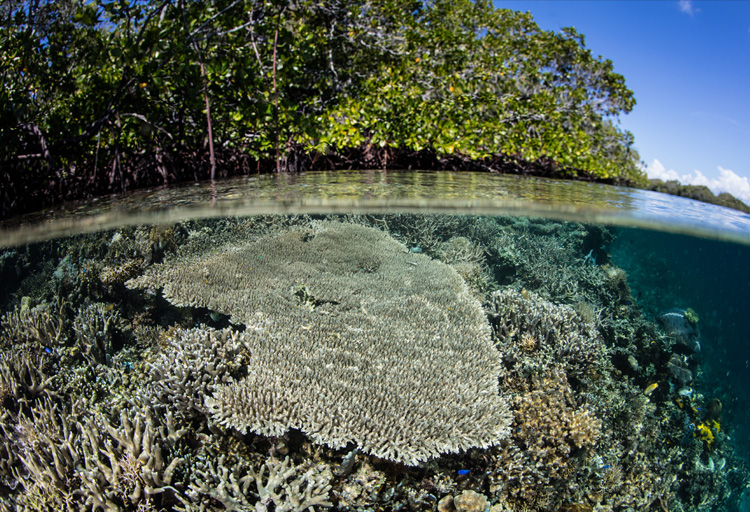
What if India's pathway to net zero does not end at factories—but begins where terrestrial meets the coastal? As carbon emissions rise and climate risks intensify, the search for solutions has largely...
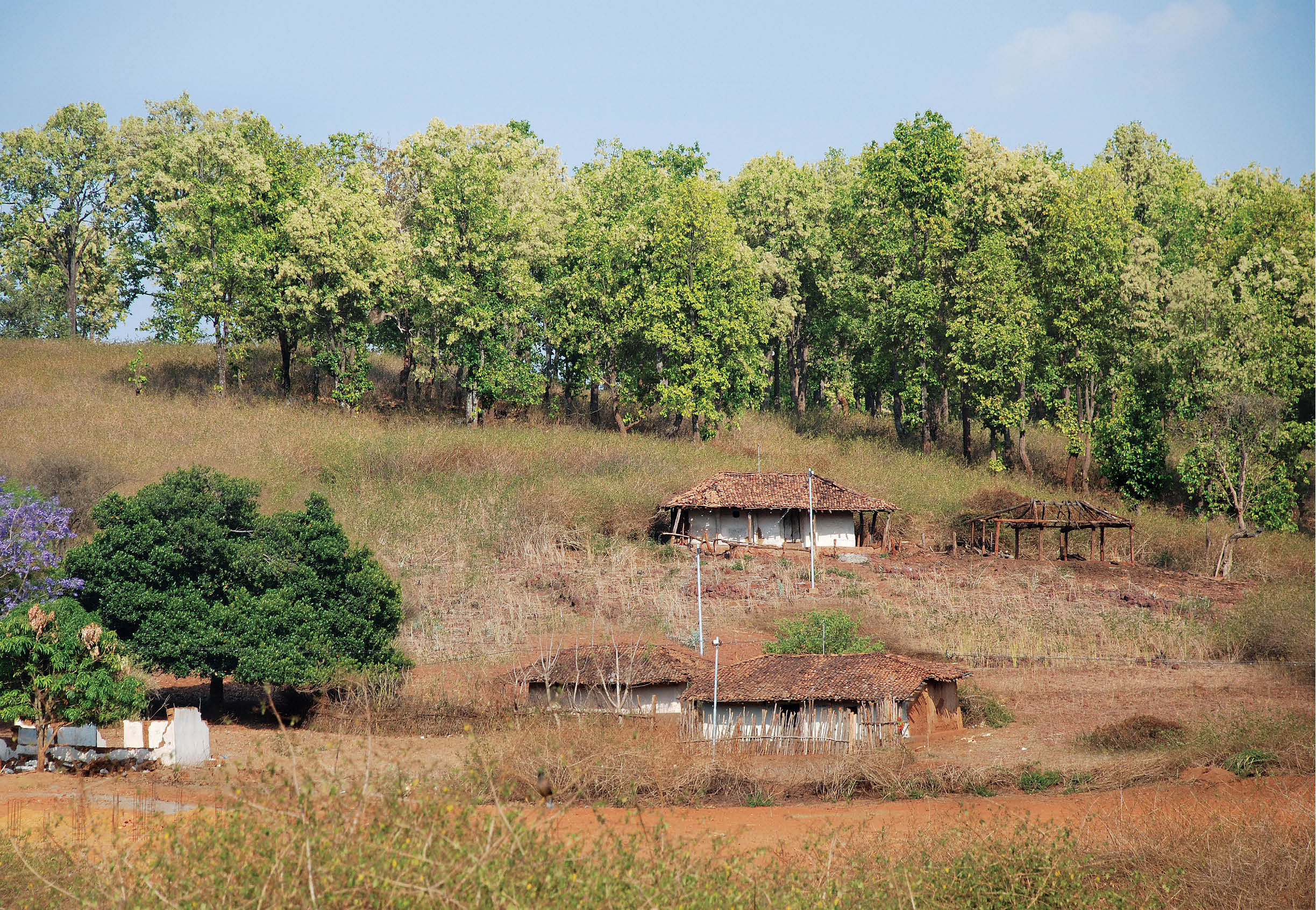
India has so far documented over 91,200 species of animals and 45,500 species of plants in its 10 biogeographic regions. The varied edaphic, climatic and topographic conditions and years of geological...
Global warming, progressive gradual rise of the earth’s surface temperature, is at present being held responsible for changes in global climate patterns. Increase in atmospheric temperature affects va...
Historical societal adaptations to climate fluctuations may provide insights into potential responses of modern societies to future climate change that has a bearing on water resources, food productio...
The analysis of changes in the moisture regions over the past hundred years indicate a net effect of drier all India moisture conditions in the recent decades.
India has so far documented over 91,200 species of animals and 45,500 species of plants in its 10 biogeographic regions. The varied edaphic, climatic and topographic conditions and years of geological stability have resulted in a wide range of ecosystems and habitats such as forests, grasslands, wetlands, deserts, and coastal and marine ecosystem.
Global warming, progressive gradual rise of the earth’s surface temperature, is at present being held responsible for changes in global climate patterns. Increase in atmospheric temperature affects various aspects of global hydrological cycle. As a result, we can expect changes in rainfall, evaporation and runoff which are projected to cause significant impacts on crops, livestock, fisheries, in...
Historical societal adaptations to climate fluctuations may provide insights into potential responses of modern societies to future climate change that has a bearing on water resources, food production and management of natural systems.