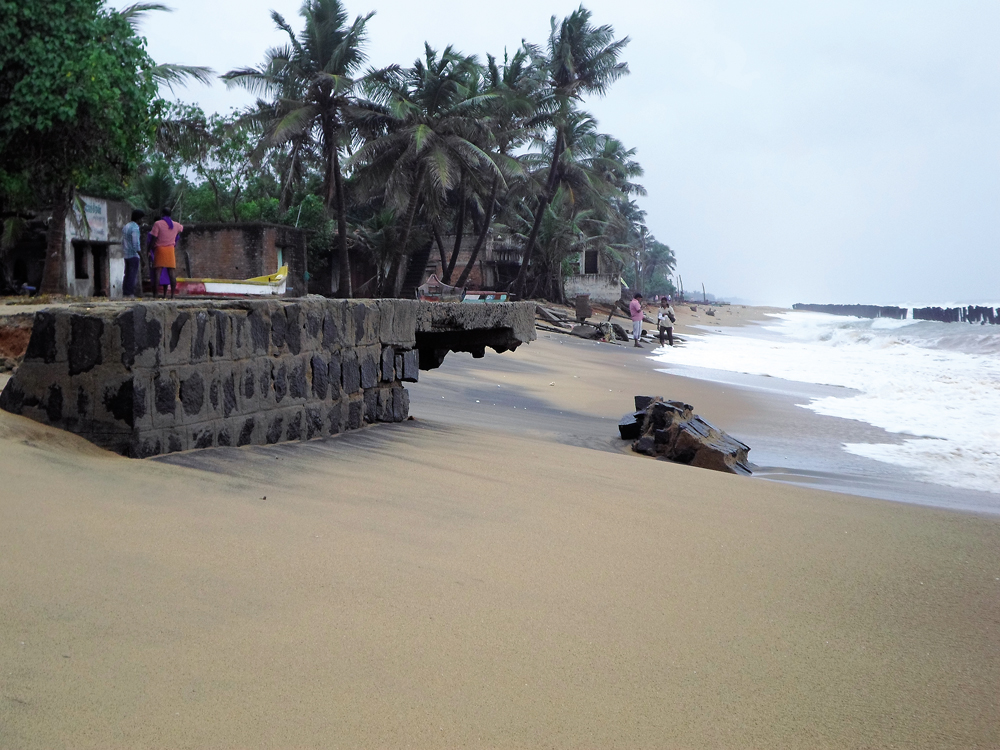
Monitoring from space, aerial and in situ platforms in coastal regions will help develop models for interactions between ecological and anthropogenic processes, helping sustainable management of coastal zones....
India promulgated the Coastal Regulation Zone (CRZ) notification on 15 February 1991, which was subsequently amended several times. The latest change was made on 6 January 2011. Presented here are the...
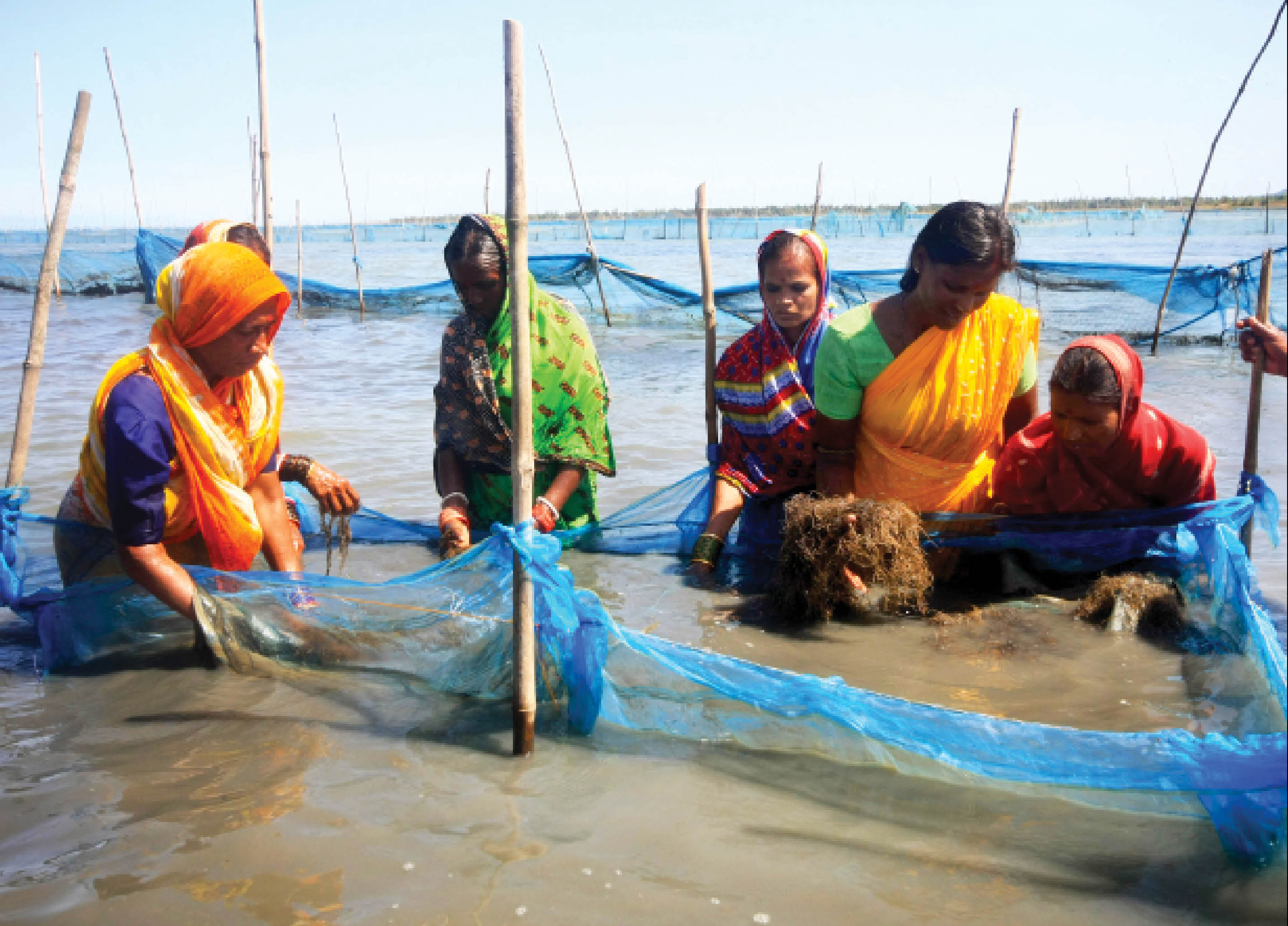
In India, there is an urgent need to enhance the earning capacity of the people living along the coastal areas. Sea farming through large scale seaweed cultivation is being considered as an alternate...
Climate change can have a strong impact on fisheries with far-reaching consequences for food and livelihood security of a sizeable section of the population in India.
The chief arms of the Indian Ocean are the Arabian Sea - with the Red Sea, the Gulf of Aden, and the Persian Gulf, the Bay of Bengal, and the Andaman Sea. Here is some news about the ocean and its sea...
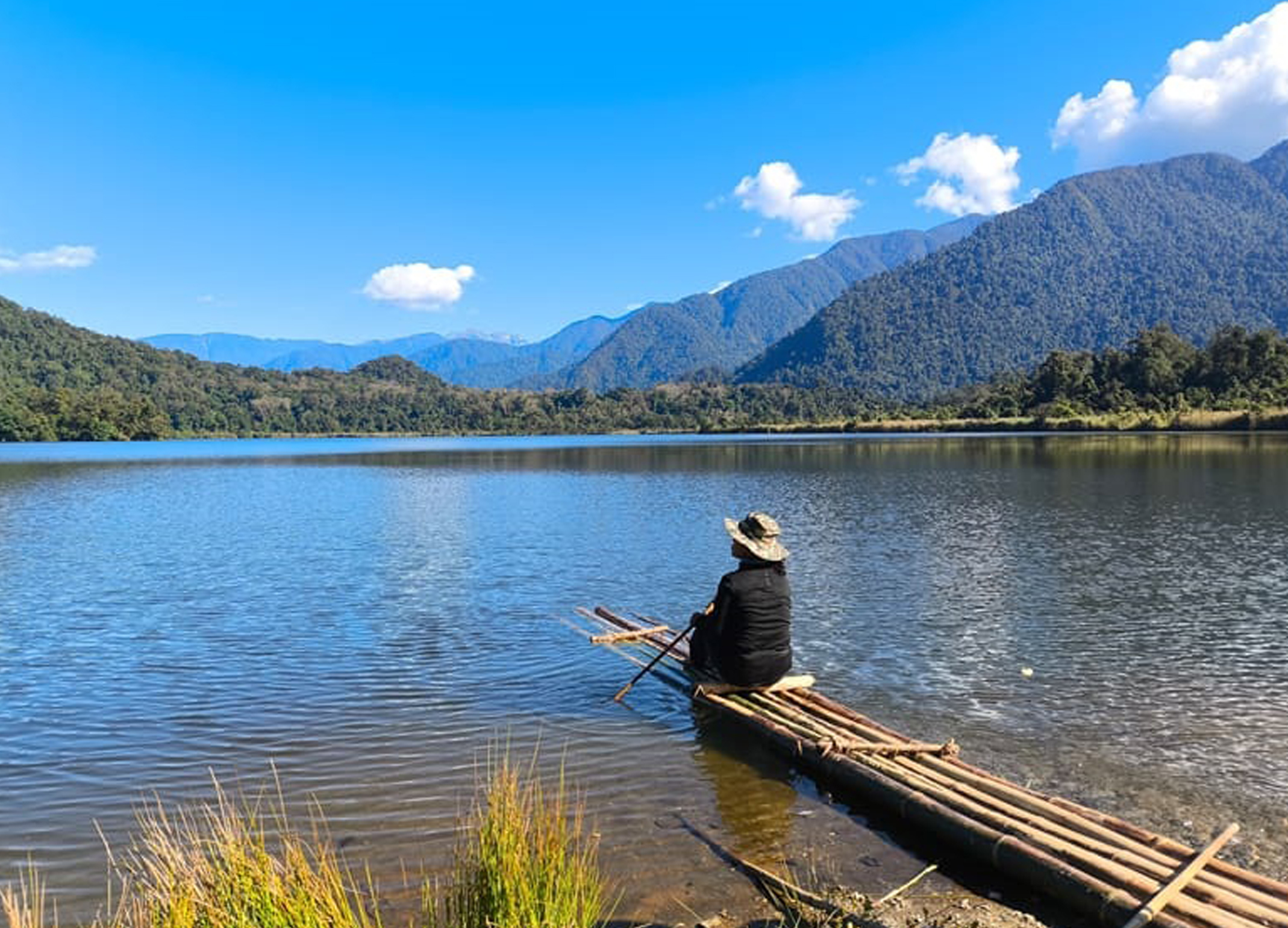
Glaw Lake was recently designated as Arunachal Pradesh’s First and India’s 101st Ramsar Site. It is located within the Kamlang Tiger Reserve and Wildlife Sanctuary. It hosts diverse flora and fauna sp...
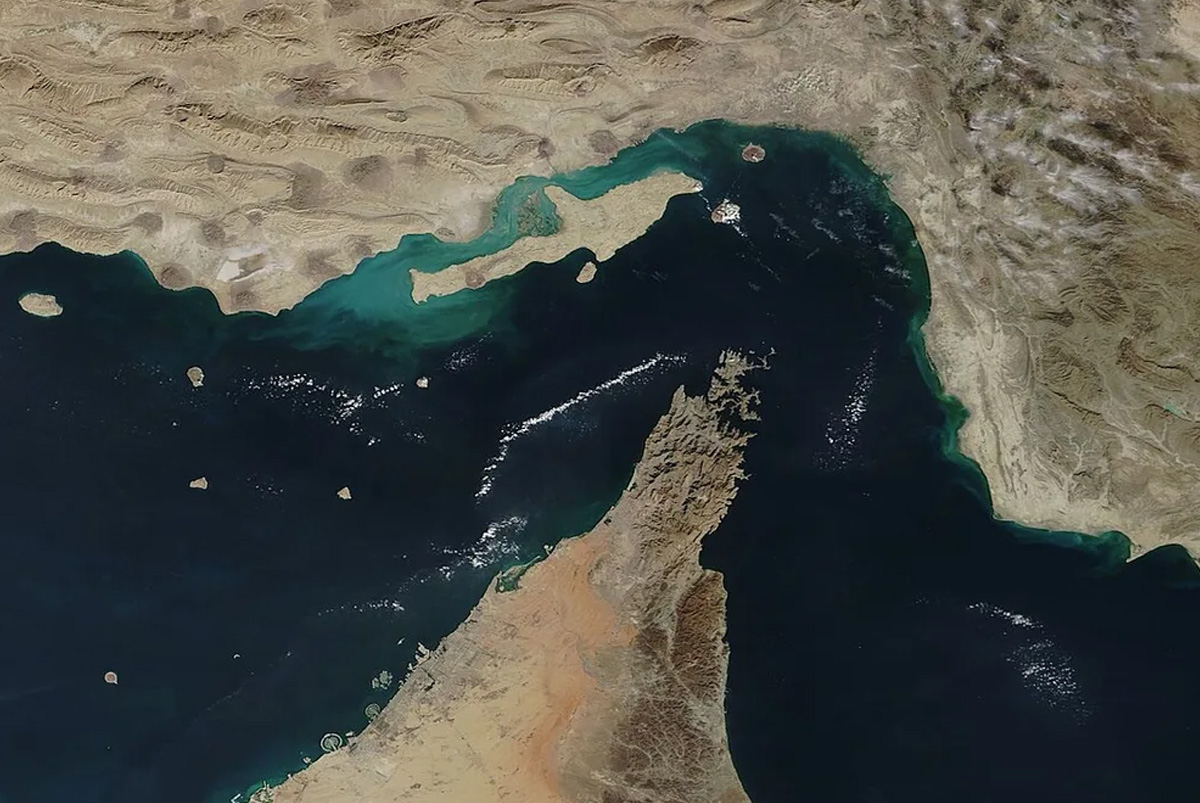
Maritime chokepoints are vital points along shipping routes that facilitate the passage of substantial trade volumes. These chokepoints control the global essential supplies such as oil, gas, fertiliz...
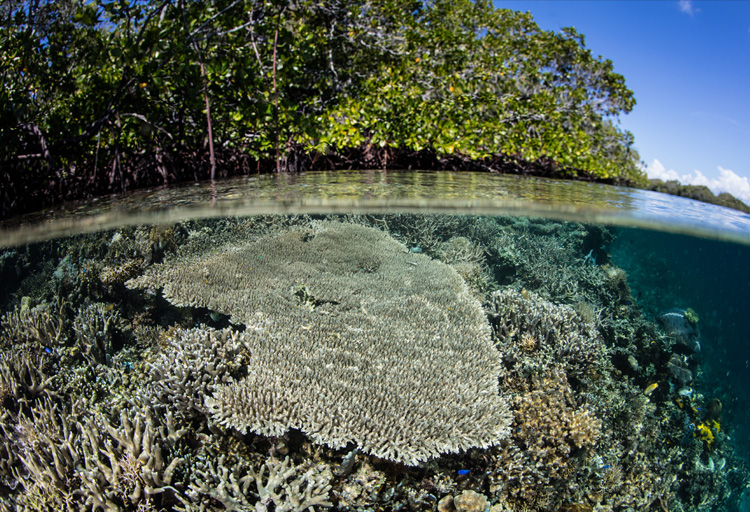
What if India's pathway to net zero does not end at factories—but begins where terrestrial meets the coastal? As carbon emissions rise and climate risks intensify, the search for solutions has largely...
Monitoring from space, aerial and in situ platforms in coastal regions will help develop models for interactions between ecological and anthropogenic processes, helping sustainable management of coast...
India promulgated the Coastal Regulation Zone (CRZ) notification on 15 February 1991, which was subsequently amended several times. The latest change was made on 6 January 2011. Presented here are the...
In India, there is an urgent need to enhance the earning capacity of the people living along the coastal areas. Sea farming through large scale seaweed cultivation is being considered as an alternate...
Climate change can have a strong impact on fisheries with far-reaching consequences for food and livelihood security of a sizeable section of the population in India.
Monitoring from space, aerial and in situ platforms in coastal regions will help develop models for interactions between ecological and anthropogenic processes, helping sustainable management of coastal zones.
India promulgated the Coastal Regulation Zone (CRZ) notification on 15 February 1991, which was subsequently amended several times. The latest change was made on 6 January 2011. Presented here are the highlights of the 2011 Regulation.
In India, there is an urgent need to enhance the earning capacity of the people living along the coastal areas. Sea farming through large scale seaweed cultivation is being considered as an alternate and additional means of livelihood.