Conservation: for the rich, by the rich
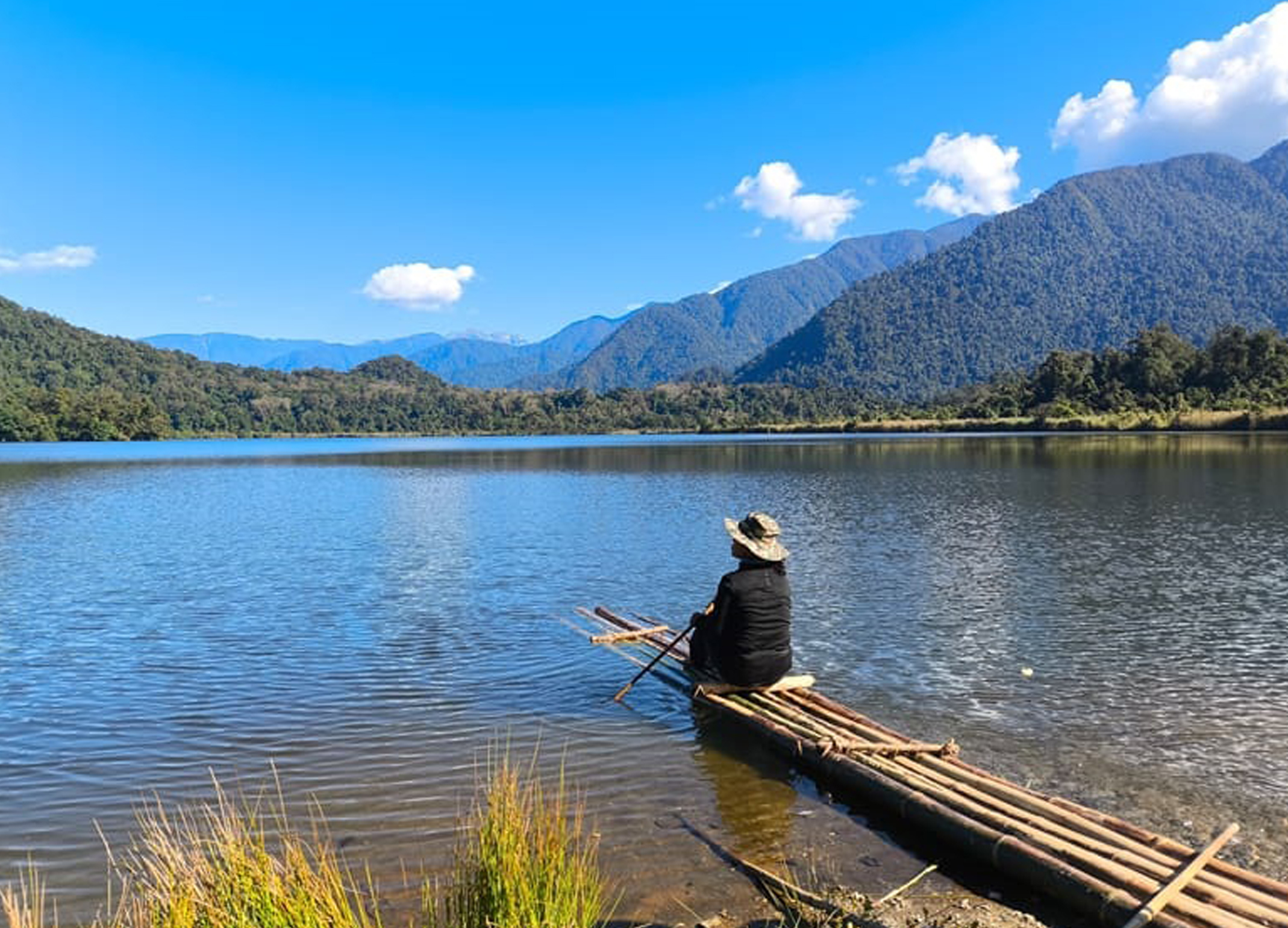
Glaw Lake was recently designated as Arunachal Pradesh’s First and India’s 101st Ramsar Site. It is located within the Kamlang Tiger Reserve and Wildlife Sanctuary. It hosts diverse flora and fauna sp...
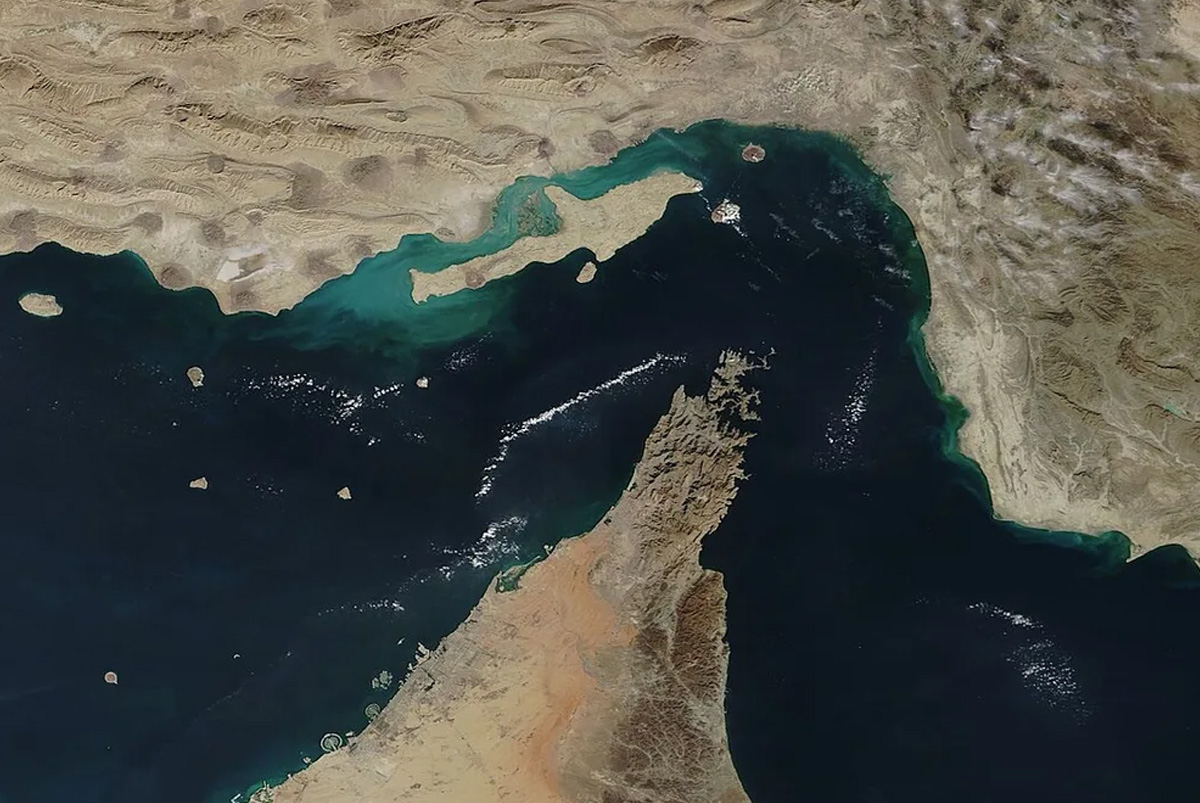
Maritime chokepoints are vital points along shipping routes that facilitate the passage of substantial trade volumes. These chokepoints control the global essential supplies such as oil, gas, fertiliz...
ENVIRONMENT, EARTH SCIENCE, BIODIVERSITY, E ARTICLE
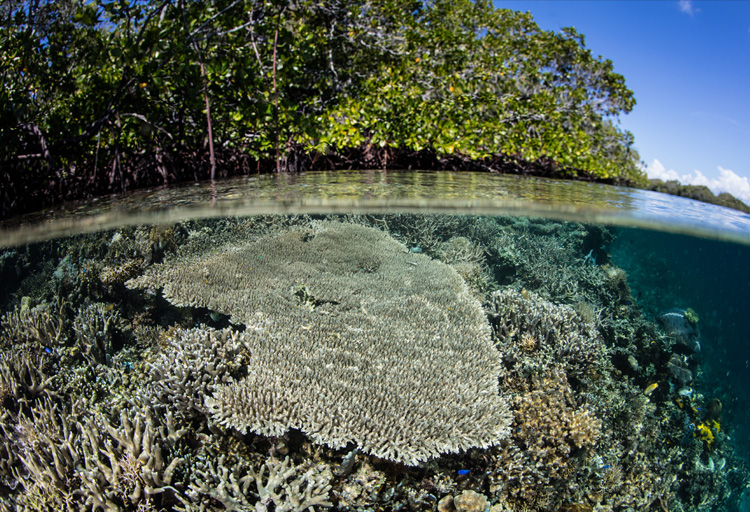
What if India's pathway to net zero does not end at factories—but begins where terrestrial meets the coastal? As carbon emissions rise and climate risks intensify, the search for solutions has largely...
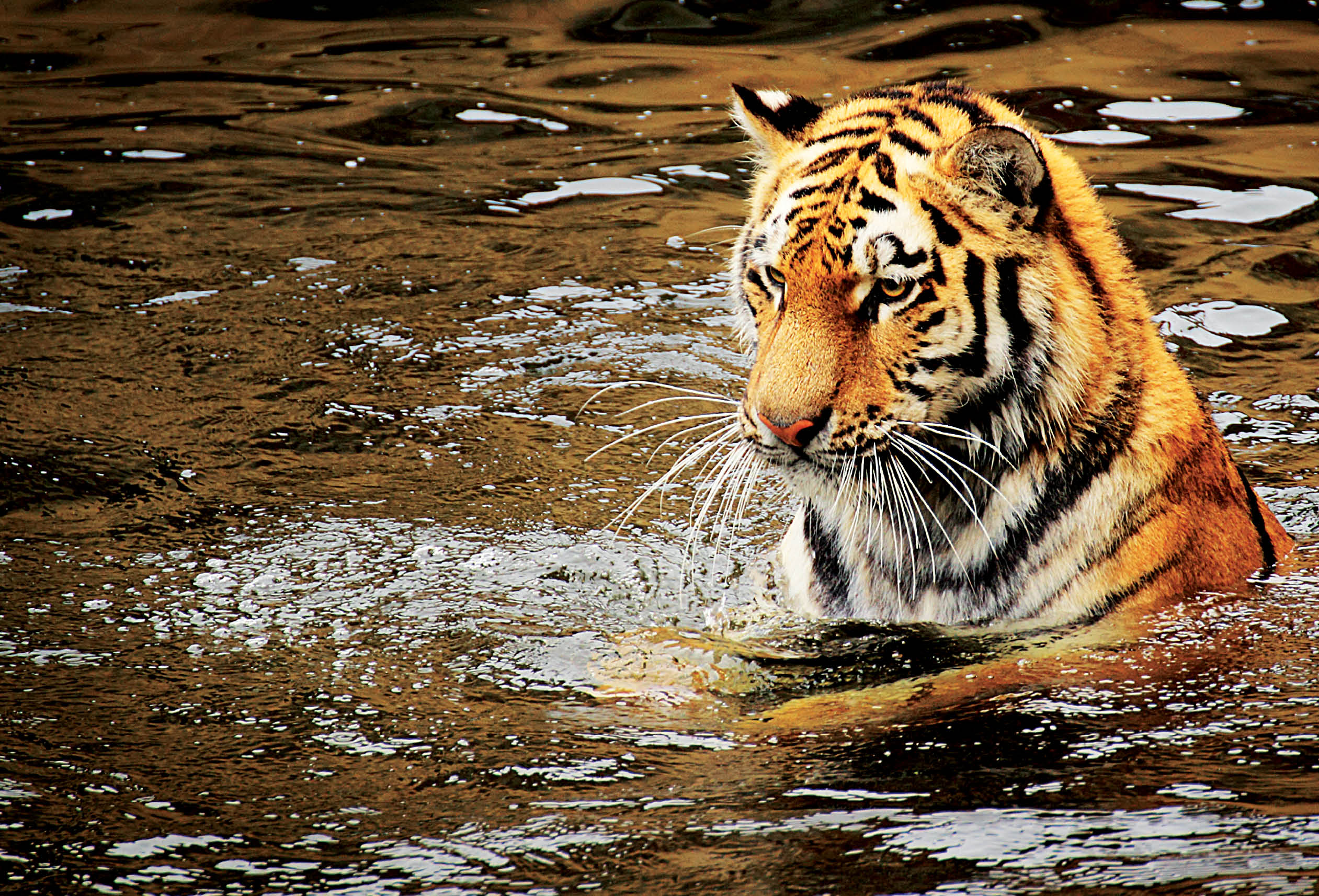
As India’s poor are being thrown out of forests to make space for a growing tiger population, hundreds of affluent investors and users continue to take their safari thrills.
At the turn of the 20th century, there were estimatedly 40,000 tigers in India. Today the figure stands at 1,706. Clearly, the big cats roaming the country’s 81,881 sq km of tiger habitat are in need...
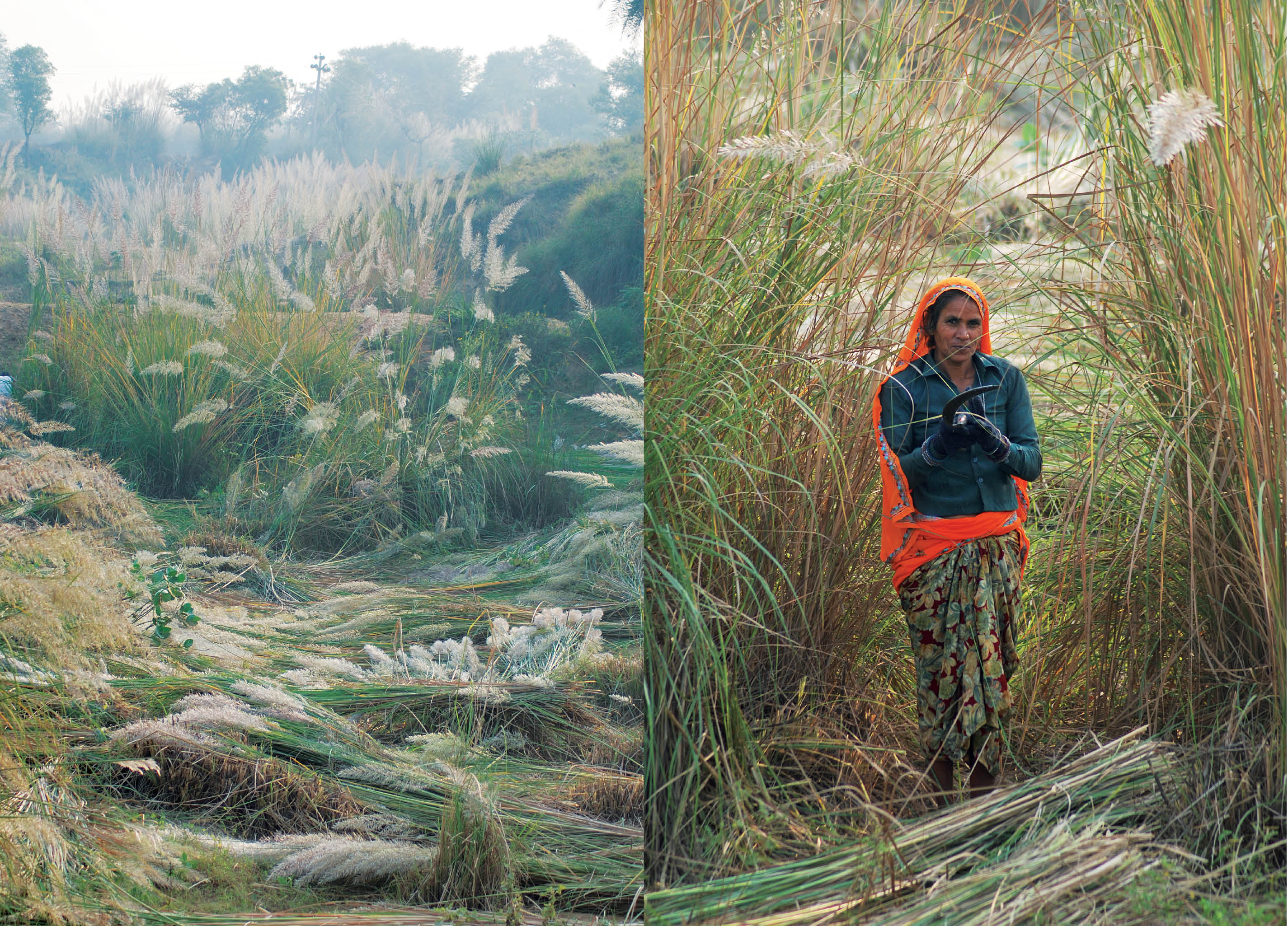
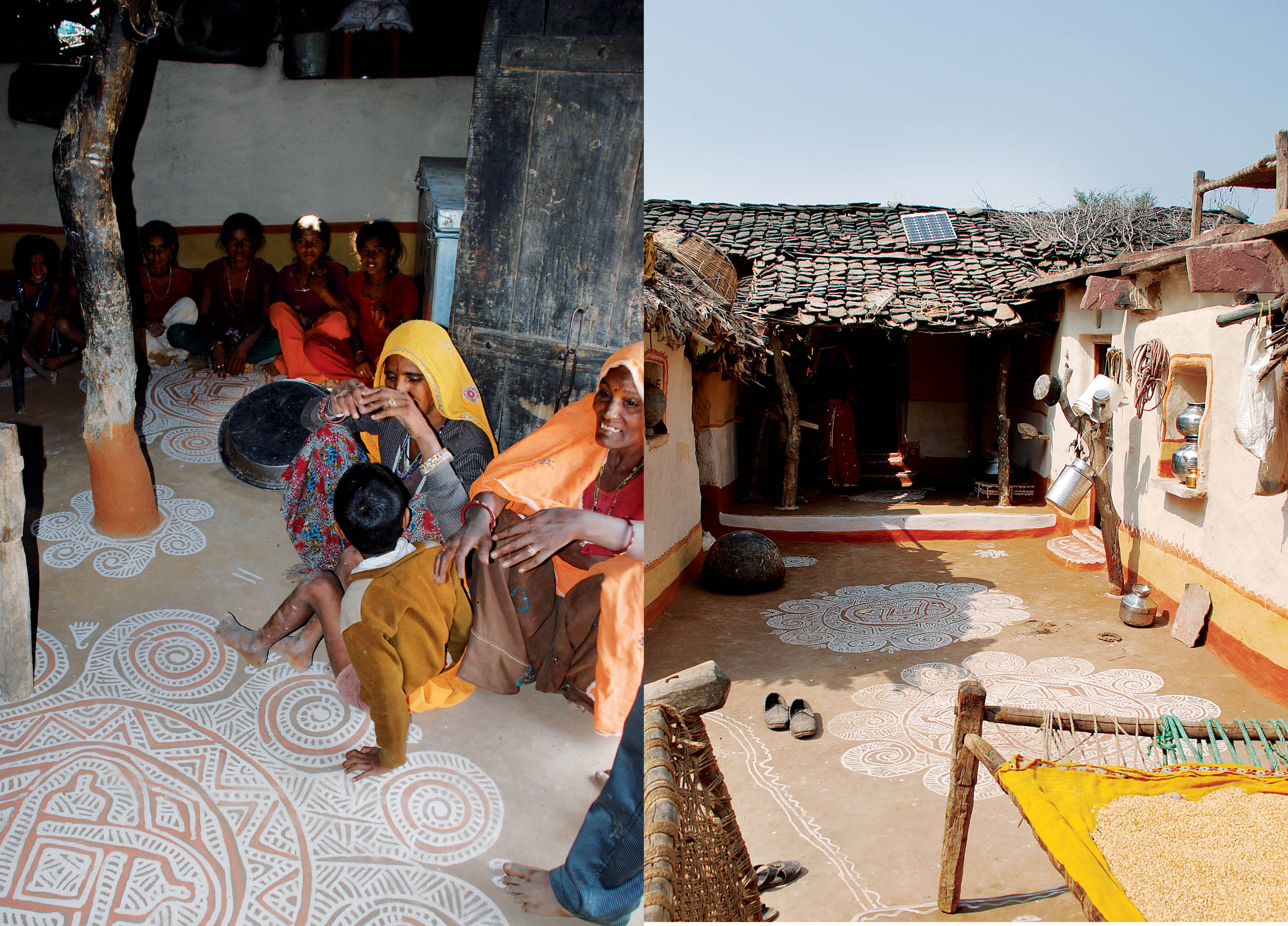
The decision to establish ‘inviolate spaces’ for tigers has resulted in the relocation of villages located in the core areas of the Ranthambore Tiger Reserve. The study throws light on the fragmented...
Breaking away from tradition, The Other Hundred, a photo-book project, tells stories of a 100 people who are not rich or famous, but deserve to be celebrated for their extraordinary lives.
As India’s poor are being thrown out of forests to make space for a growing tiger population, hundreds of affluent investors and users continue to take their safari thrills.
At the turn of the 20th century, there were estimatedly 40,000 tigers in India. Today the figure stands at 1,706. Clearly, the big cats roaming the country’s 81,881 sq km of tiger habitat are in need of urgent attention.
The decision to establish ‘inviolate spaces’ for tigers has resulted in the relocation of villages located in the core areas of the Ranthambore Tiger Reserve. The study throws light on the fragmented lives of the villagers and raises questions about the necessity of relocation.