Climate Change and Indian Forests
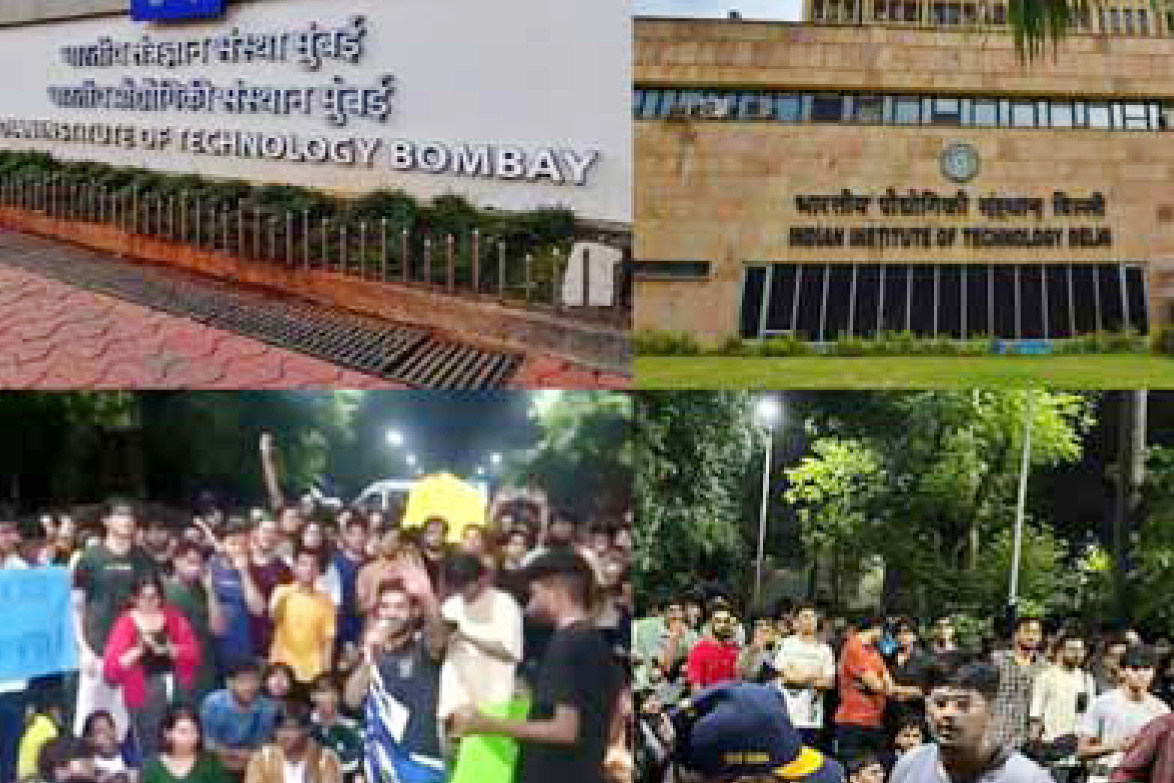
Student distress is an increasingly recognised concern, poignantly reflected in the rising instances of student suicides across institutions of higher learning in India. Despite institutional mechanis...
ENVIRONMENT, FORESTS, BIODIVERSITY
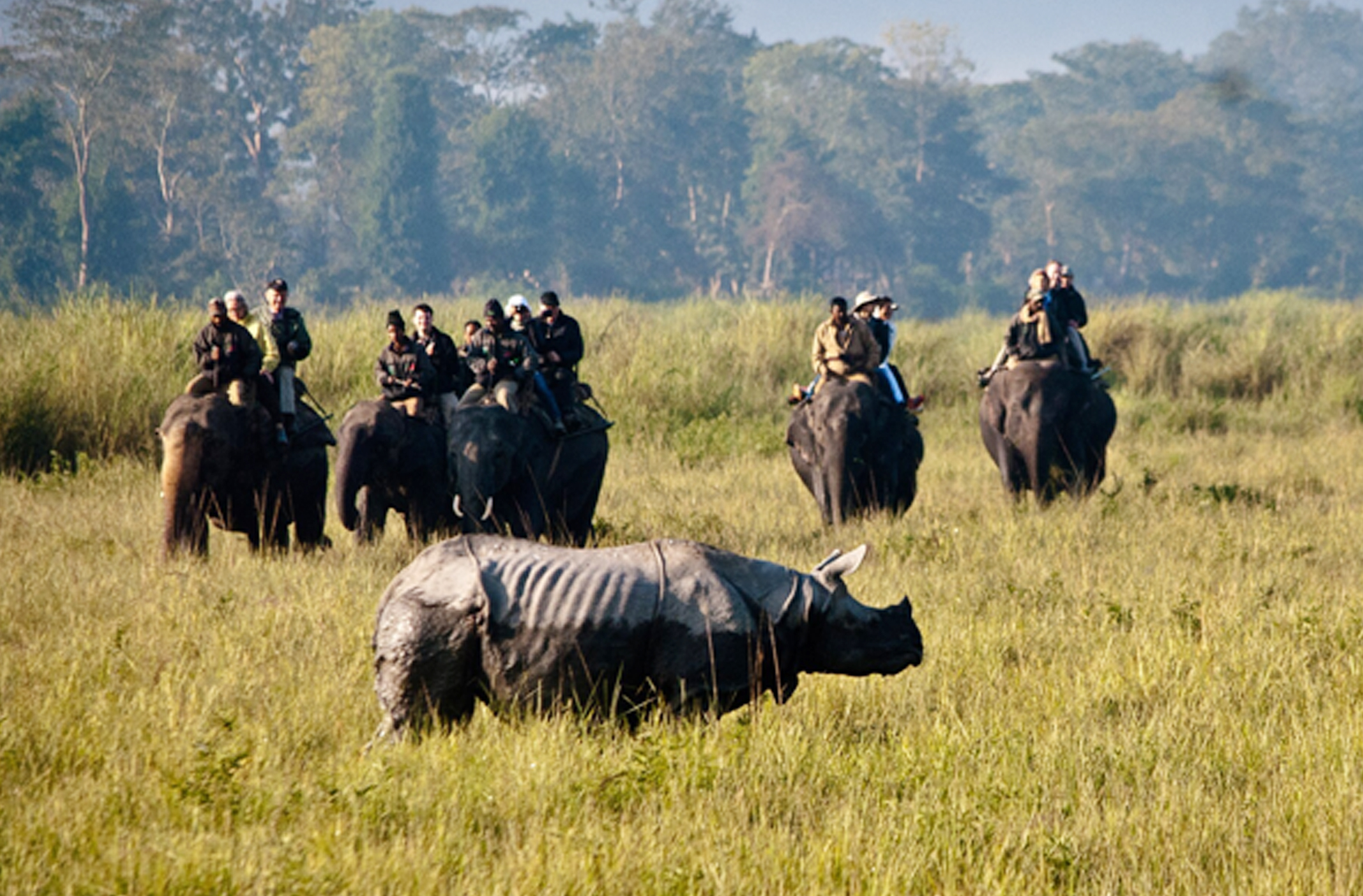
Assam Chief Minister Himanta Biswa Sarma has announced plans to reduce the Kaziranga Eco-Sensitive Zone (ESZ) to one km as opposed to the current 10 km. The state government’s intention has raised con...
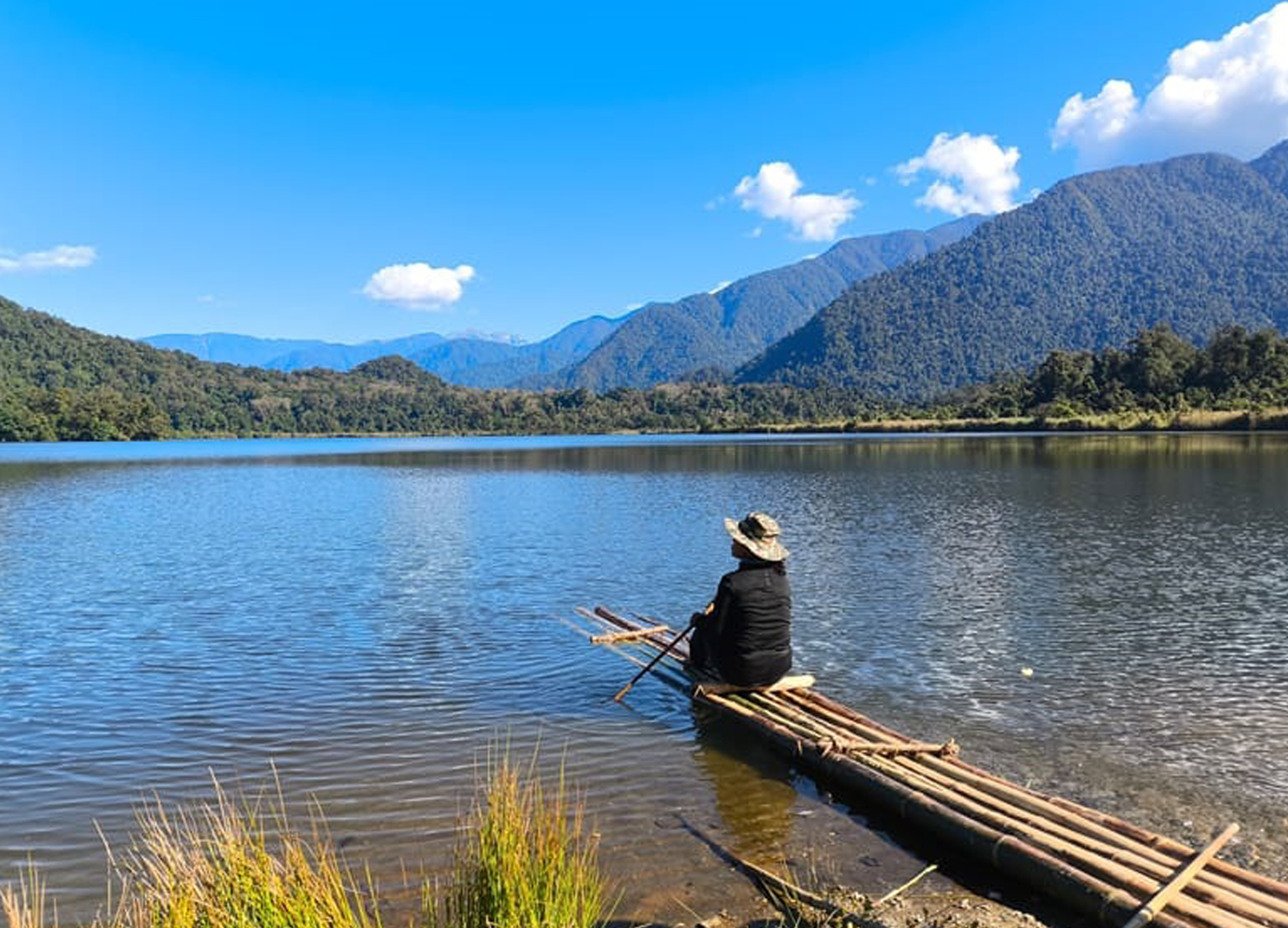
Glaw Lake was recently designated as Arunachal Pradesh’s First and India’s 101st Ramsar Site. It is located within the Kamlang Tiger Reserve and Wildlife Sanctuary. It hosts diverse flora and fauna sp...
An assessment of the impact of climate change on forest ecosystems in India has been attempted with the forest vulnerability index for India - worked out on the basis of forest canopy density, biodive...
The urban environment of modern India has undergone dramatic changes predominated by concrete structures, congested commercial spaces and incessant traffic. The degeneration of living environment in u...
Forests are one of the most significant reservoirs of carbon. Various global processes and anthropogenic changes are influencing the process of carbon sequestration leading to interruptions in the car...
An assessment of the impact of climate change on forest ecosystems in India has been attempted with the forest vulnerability index for India - worked out on the basis of forest canopy density, biodiversity and projected impact of climate change.
The urban environment of modern India has undergone dramatic changes predominated by concrete structures, congested commercial spaces and incessant traffic. The degeneration of living environment in urban areas has severely disrupted the balance of urban climate as tree cover is eliminated to make way for ‘development’.
Forests are one of the most significant reservoirs of carbon. Various global processes and anthropogenic changes are influencing the process of carbon sequestration leading to interruptions in the carbon flux. Under elevated CO2 conditions a possibility of decomposition occurring more than net primary production leading to a loss of carbon is predicted in the forest regions of India.