Abstract: India has emerged as a significant global destination for medical tourism, attracting more than two million international patients annually[1]. Offering services ranging from complex cardiac surgeries and organ transplants to holistic wellness therapies rooted in traditional knowledge systems, India positions itself at the crossroads of clinical expertise and cultural healing. This article critically examines the opportunities and challenges in India’s medical tourism sector. It explores the infrastructural and human capital advantages, evaluates institutional and policy support mechanisms, and interrogates the ethical and equity-related implications of a burgeoning health economy. While the industry contributes to national GDP and enhances India's global profile, it must simultaneously be structured to support inclusivity, accountability, and sustainability. The core challenge remains balancing international aspirations with domestic health care obligations.
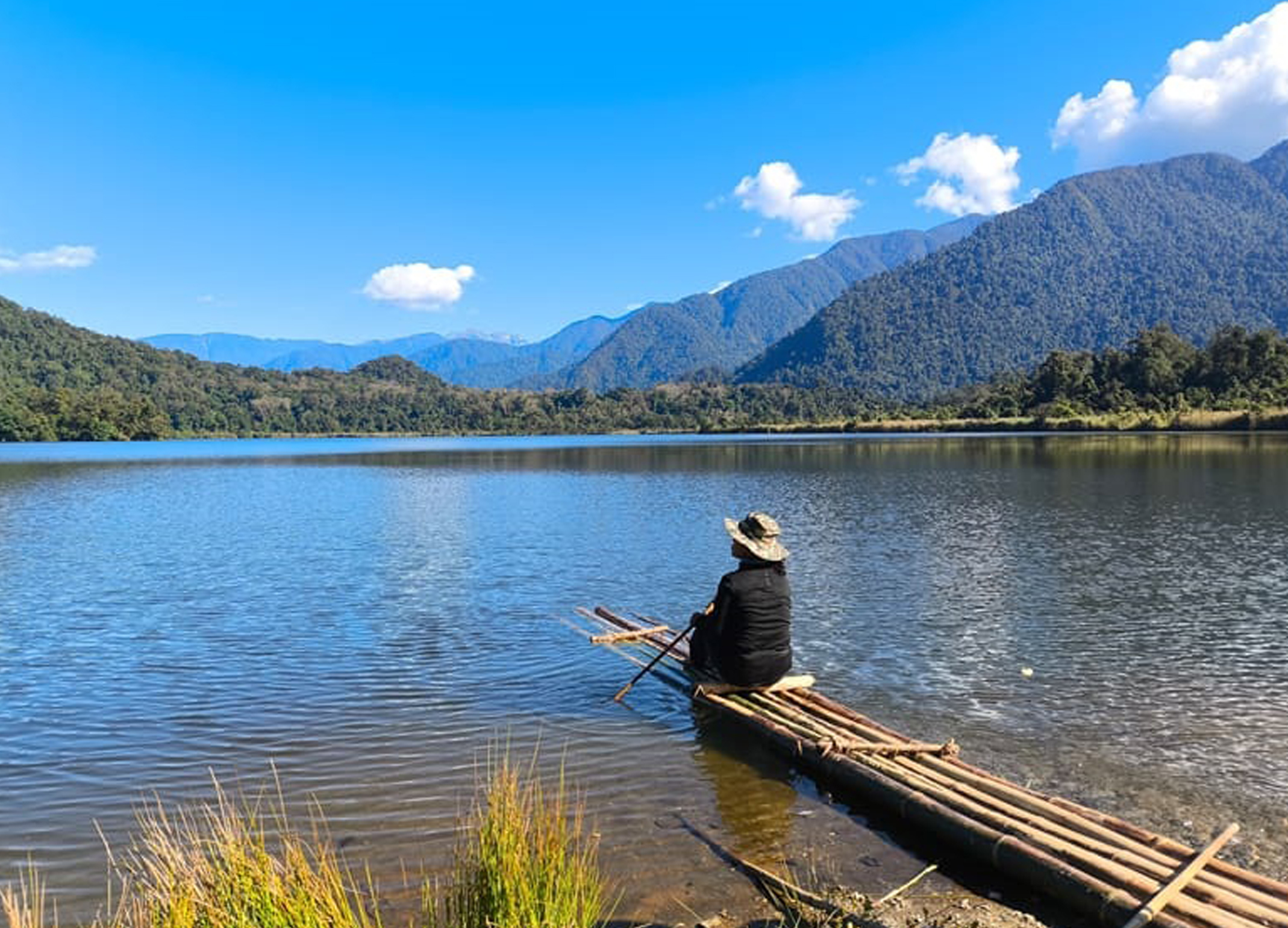
Glaw Lake was recently designated as Arunachal Pradesh’s First and India’s 101st Ramsar Site. It is located within the Kamlang Tiger Reserve and Wildlife Sanctuary. It hosts diverse flora and fauna sp...
Maritime chokepoints are vital points along shipping routes that facilitate the passage of substantial trade volumes. These chokepoints control the global essential supplies such as oil, gas, fertiliz...
What if India's pathway to net zero does not end at factories—but begins where terrestrial meets the coastal? As carbon emissions rise and climate risks intensify, the search for solutions has largely...
India is set to embark on a new chapter in its Polar exploration journey with the construction of Maitri II. The Indian government plans to establish a new research station near the existing Maitri ba...