Abstract: The dialogue explores critical issues of sustainability through the lens of Earth system science, hazards in the Himalayas, coastal vulnerabilities, and the broader interaction between science and society. It highlights the urgent need for improved knowledge of the Himalayan ecosystem as an interconnected system involving geology, hydrology, cryosphere, atmosphere, and biology. Concerns about inadequate preparedness for earthquakes, landslides, and floods are examined alongside the socio-economic pressures that drive hazardous construction in vulnerable zones. The article also interrogates the idea of sustainability at global, social, and individual levels, emphasizing responsible consumption, governance, and public awareness. Further, it addresses challenges along India’s coastline, including erosion and sea level rise, and discusses the effectiveness of existing early warning systems. Finally, it presents an optimistic perspective on human adaptability to environmental change, grounded in historical resilience and technological advancement.
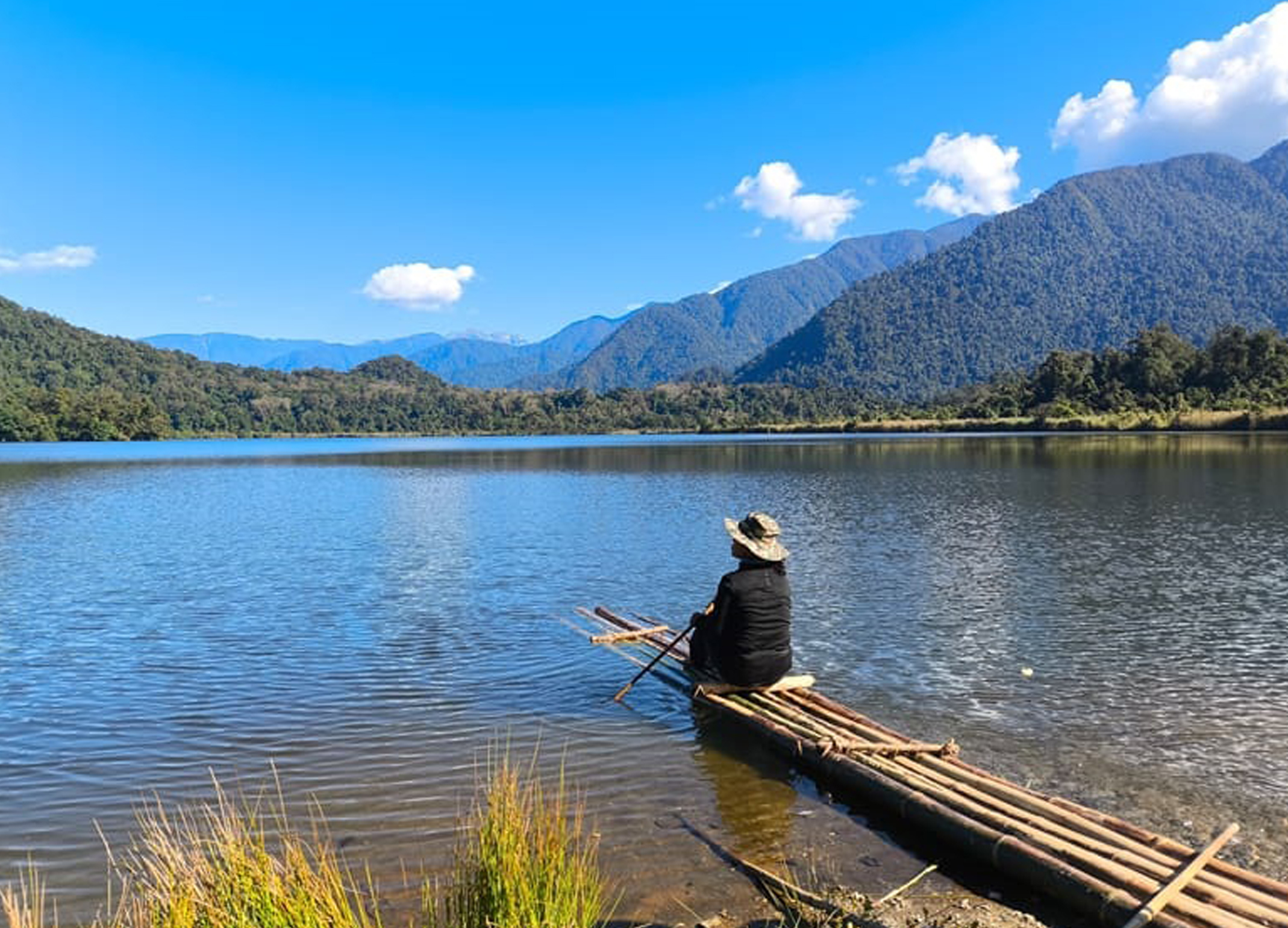
Glaw Lake was recently designated as Arunachal Pradesh’s First and India’s 101st Ramsar Site. It is located within the Kamlang Tiger Reserve and Wildlife Sanctuary. It hosts diverse flora and fauna sp...
Maritime chokepoints are vital points along shipping routes that facilitate the passage of substantial trade volumes. These chokepoints control the global essential supplies such as oil, gas, fertiliz...
What if India's pathway to net zero does not end at factories—but begins where terrestrial meets the coastal? As carbon emissions rise and climate risks intensify, the search for solutions has largely...
India is set to embark on a new chapter in its Polar exploration journey with the construction of Maitri II. The Indian government plans to establish a new research station near the existing Maitri ba...