Abstract: Migration constitutes one of the most transformative forces in India’s demographic and political landscape. Internal labor mobility, particularly the movement of unskilled and semi-skilled workers across state borders, has long been central to the country’s economic growth but remains insufficiently acknowledged in governance and electoral processes. The Election Commission’s recent Special Intensive Revision (SIR) of electoral rolls highlights the paradox of migrants’ democratic invisibility: while these workers sustain urban economies, they often remain disenfranchised, maintaining voter identity in villages of origin but lacking representation in cities of destination. This article examines historical shifts in migration streams from pre-colonial localized economies to colonial plantation and industrial systems, and further into contemporary urban-industrial hubs. The analysis also highlights the intersections of migration with language politics, fertility and family structures, and caste-class dynamics. The COVID-19 pandemic and the delay of the 2021 Census underscored the acute data gaps that undermine policy-making on migrants, leaving one of India’s most critical populations undercounted and underrepresented. By weaving together historical perspectives, contemporary challenges, and policy implications, the article argues for reimagining migration not as a temporary livelihood strategy but as an essential dimension of India’s democratic and developmental framework.
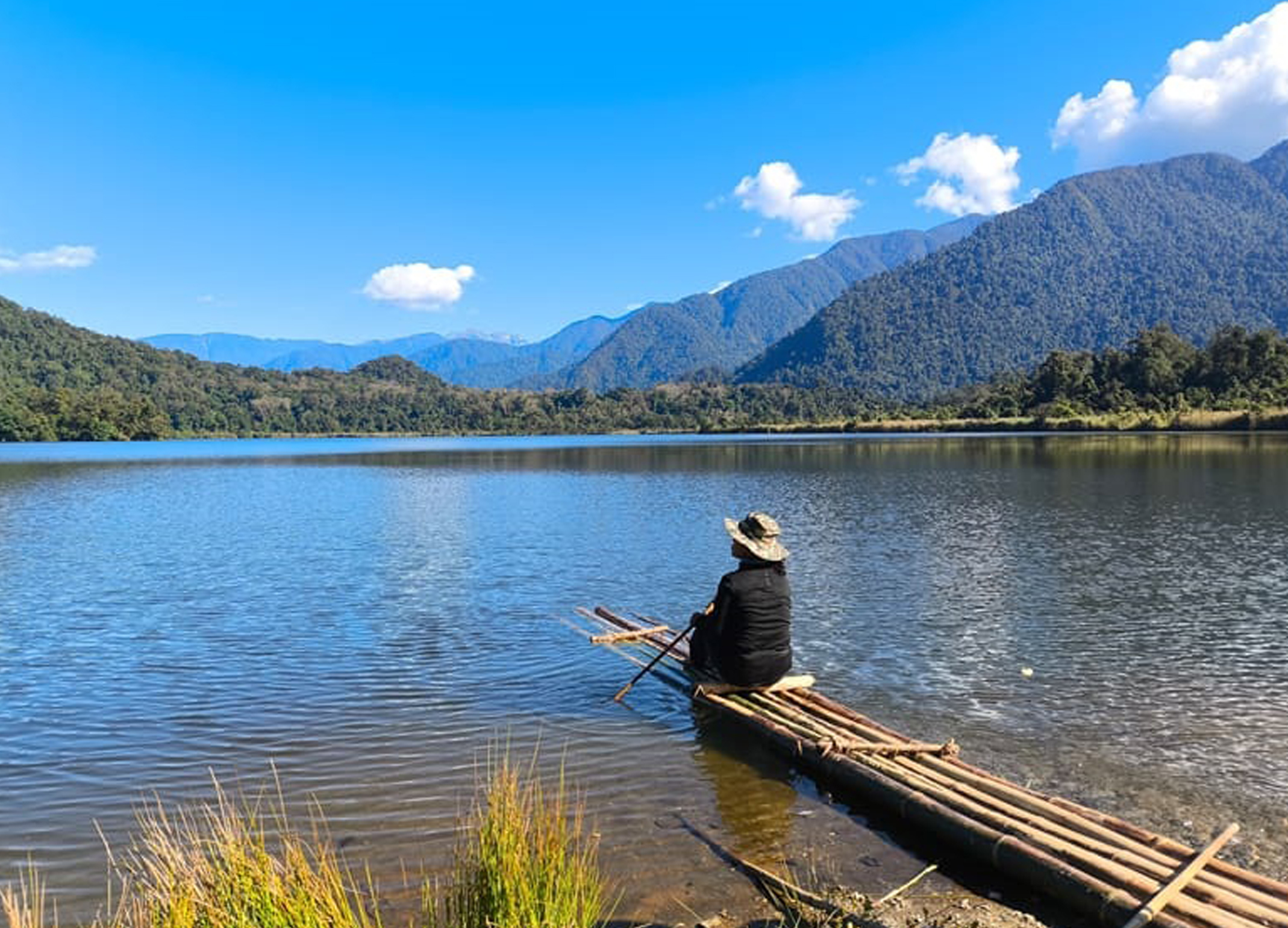
Glaw Lake was recently designated as Arunachal Pradesh’s First and India’s 101st Ramsar Site. It is located within the Kamlang Tiger Reserve and Wildlife Sanctuary. It hosts diverse flora and fauna sp...
Maritime chokepoints are vital points along shipping routes that facilitate the passage of substantial trade volumes. These chokepoints control the global essential supplies such as oil, gas, fertiliz...
What if India's pathway to net zero does not end at factories—but begins where terrestrial meets the coastal? As carbon emissions rise and climate risks intensify, the search for solutions has largely...
India is set to embark on a new chapter in its Polar exploration journey with the construction of Maitri II. The Indian government plans to establish a new research station near the existing Maitri ba...