Abstract: The convergence of scientific knowledge and diplomatic strategy is increasingly defining the contours of international engagement in a world marked by deep geopolitical divisions and rapid technological advancement. This article delves into science diplomacy as a critical interface that shapes multilateral negotiations, strategic treaties, and the global governance of emerging technologies. Through an expansive discussion, the episode traces the history, challenges, and institutional forms of science-led diplomacy, spotlighting key sectors such as nuclear energy, space exploration, agriculture, climate change, artificial intelligence, and polar science. Offering practical illustrations from international forums and bilateral arrangements, this conversation unpacks how science both transcends and is shaped by national interest, commercial ambition, and global responsibility.
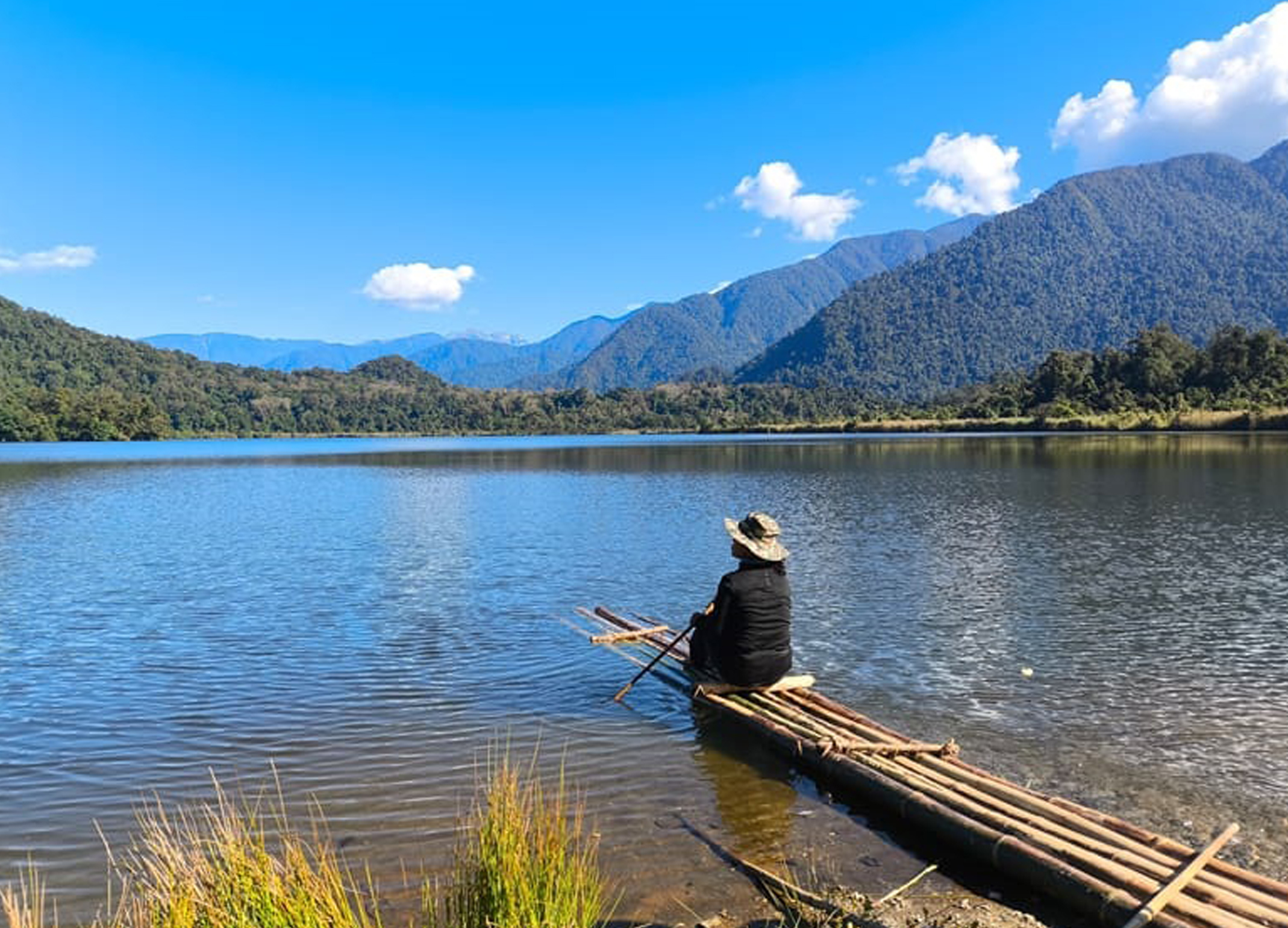
Glaw Lake was recently designated as Arunachal Pradesh’s First and India’s 101st Ramsar Site. It is located within the Kamlang Tiger Reserve and Wildlife Sanctuary. It hosts diverse flora and fauna sp...
Maritime chokepoints are vital points along shipping routes that facilitate the passage of substantial trade volumes. These chokepoints control the global essential supplies such as oil, gas, fertiliz...
What if India's pathway to net zero does not end at factories—but begins where terrestrial meets the coastal? As carbon emissions rise and climate risks intensify, the search for solutions has largely...
India is set to embark on a new chapter in its Polar exploration journey with the construction of Maitri II. The Indian government plans to establish a new research station near the existing Maitri ba...