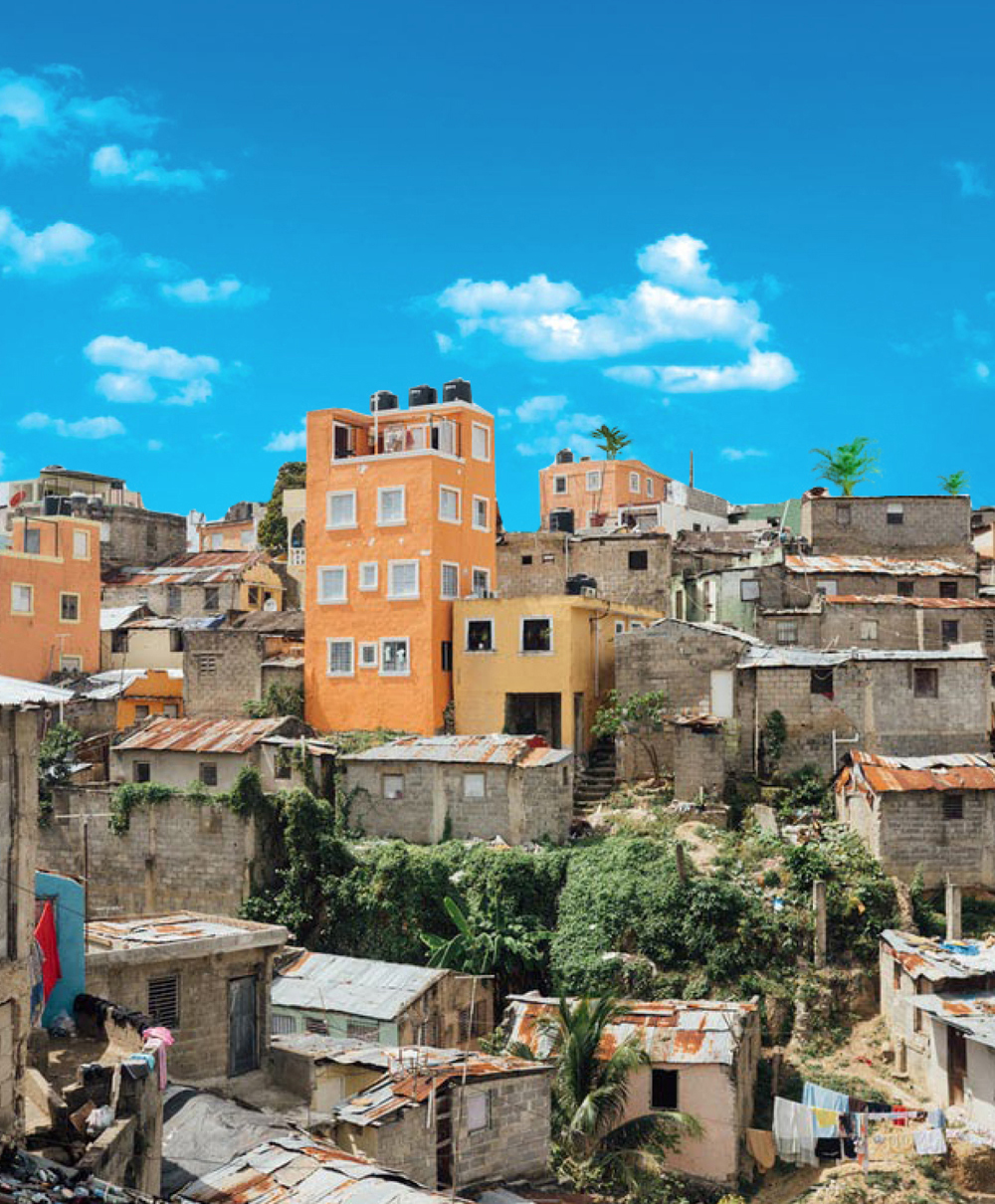
In the context of developing countries, densification of compact cities in an already overloaded, overcrowded area with a lack of public and green open spaces, seems paradoxical.
Abstract: The global challenge of COVID-19 is still unfurling. States are grappling to control its remorseless spread with varied success and its impact both on long and short-term scales are still being understood. However, a distinct urban bias in its spread across the globe and universal response of lockdown and social distancing for its control has brought pertinent questions to the fore. Urban planning and the future of our cities in terms of urban life and city form therefore needs to be revisited. In India, the exodus of migrant workers from its large cities has added yet another dimension to this challenge.
The author is an Urban Planner in the Housing and Urban Development Corporation Limited (HUDCO), a Government of India Enterprise, New Delhi. basu71@gmail.com. The article should be cited as Basu K., 2020. Towards Responsive Urban Planning, Geography and You, 20(146): 26-31
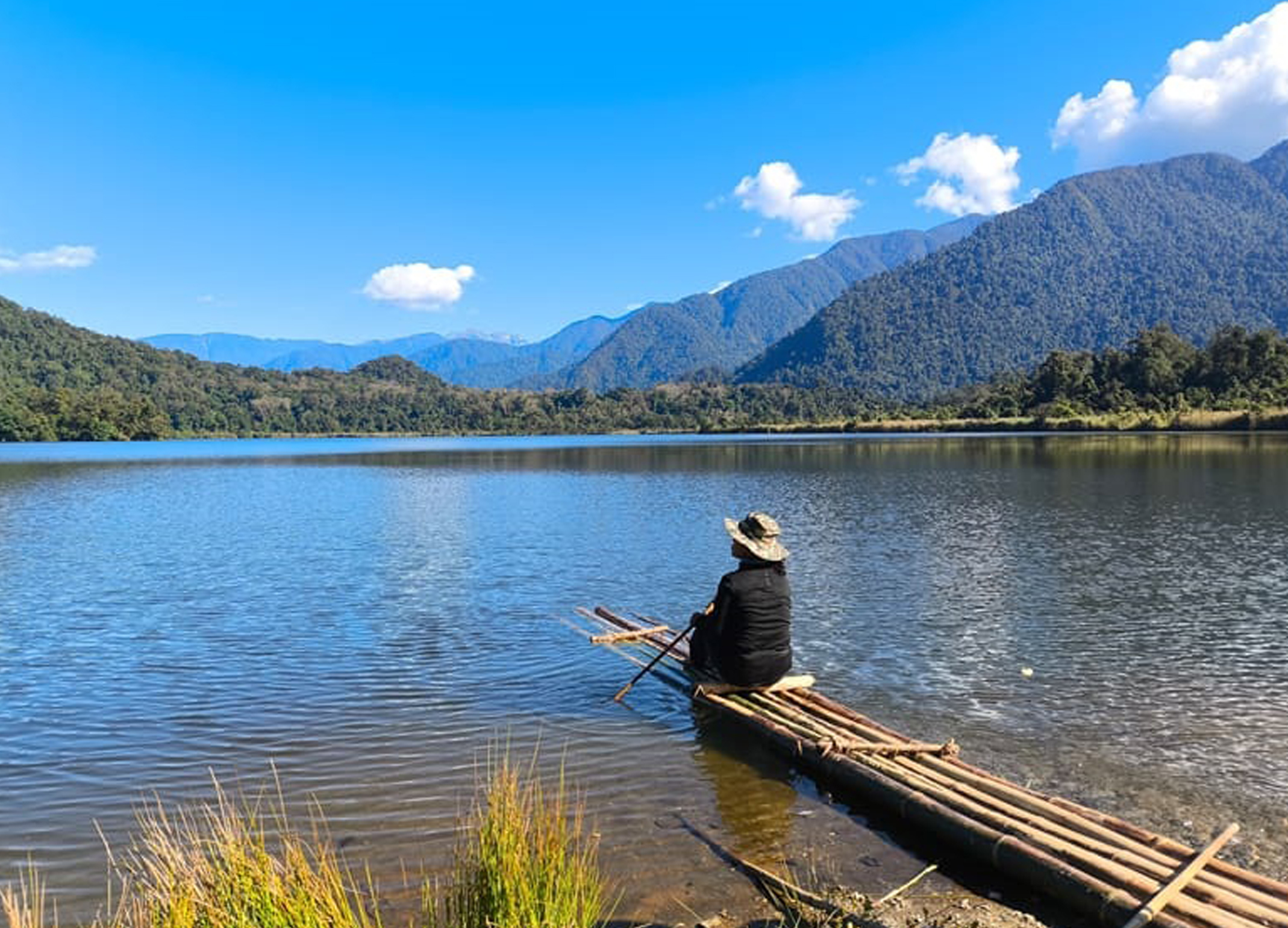
Glaw Lake was recently designated as Arunachal Pradesh’s First and India’s 101st Ramsar Site. It is located within the Kamlang Tiger Reserve and Wildlife Sanctuary. It hosts diverse flora and fauna sp...
Maritime chokepoints are vital points along shipping routes that facilitate the passage of substantial trade volumes. These chokepoints control the global essential supplies such as oil, gas, fertiliz...
What if India's pathway to net zero does not end at factories—but begins where terrestrial meets the coastal? As carbon emissions rise and climate risks intensify, the search for solutions has largely...
India is set to embark on a new chapter in its Polar exploration journey with the construction of Maitri II. The Indian government plans to establish a new research station near the existing Maitri ba...