Census of India-A Critique
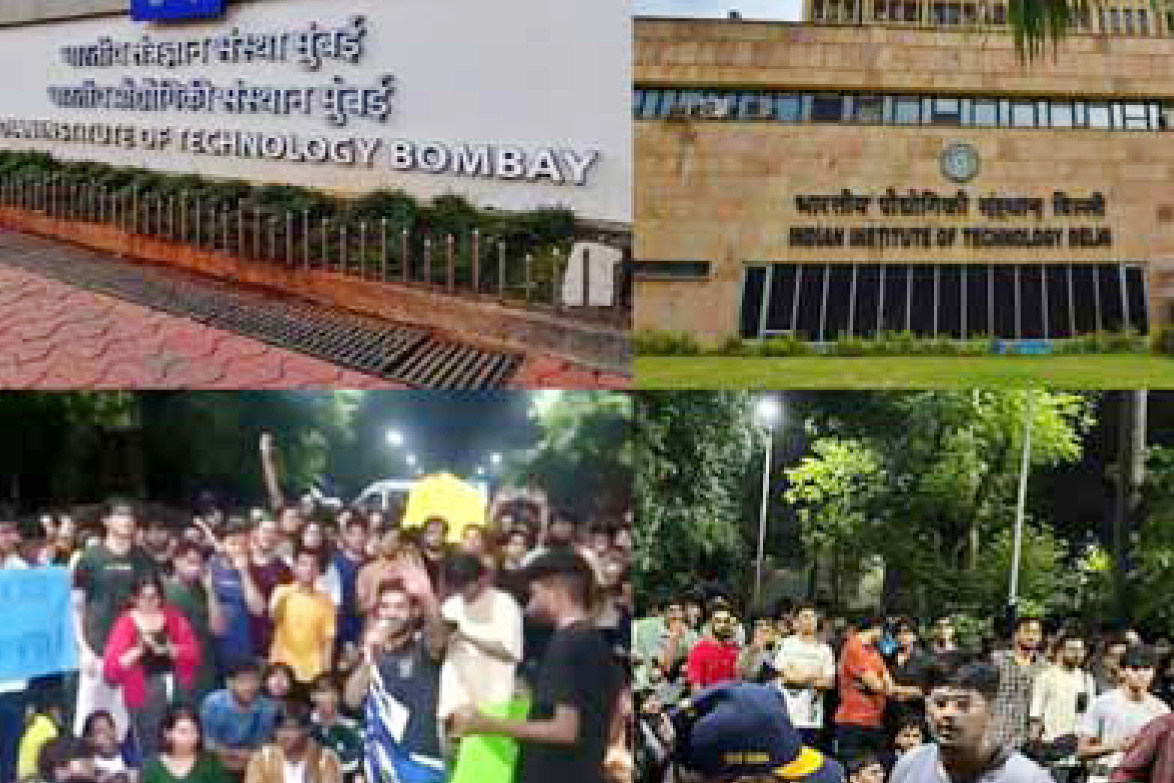
Student distress is an increasingly recognised concern, poignantly reflected in the rising instances of student suicides across institutions of higher learning in India. Despite institutional mechanis...
ENVIRONMENT, FORESTS, BIODIVERSITY
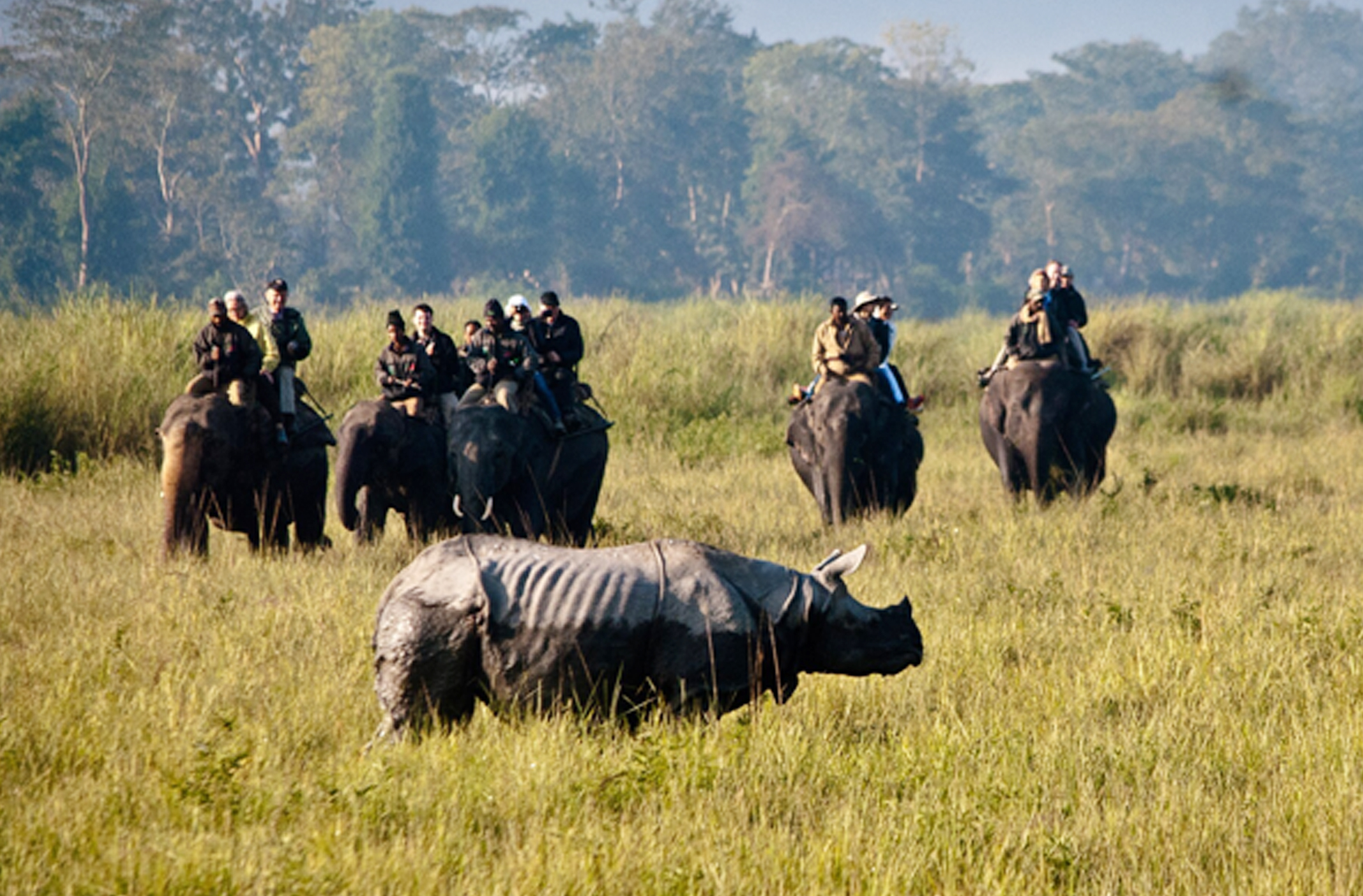
Assam Chief Minister Himanta Biswa Sarma has announced plans to reduce the Kaziranga Eco-Sensitive Zone (ESZ) to one km as opposed to the current 10 km. The state government’s intention has raised con...
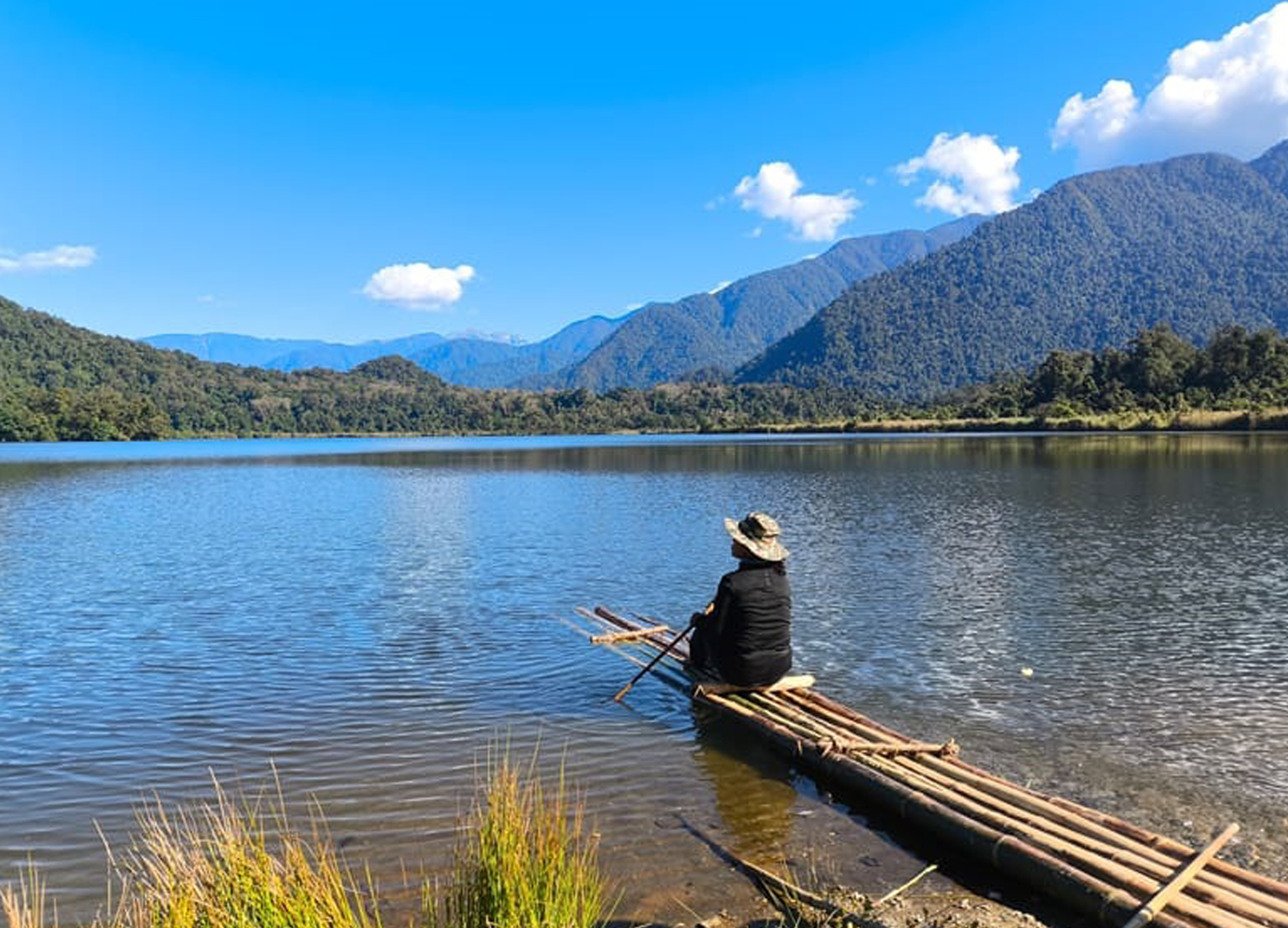
Glaw Lake was recently designated as Arunachal Pradesh’s First and India’s 101st Ramsar Site. It is located within the Kamlang Tiger Reserve and Wildlife Sanctuary. It hosts diverse flora and fauna sp...
The Indian Census has been providing important and useful information on various demographic, social and economic aspects of the Indian society. However, the paper outlines definitional and other chan...
Supported by a huge draw from the public exchequer, the Census needs to be examined in terms of its utility for the nation. We also perhaps need to look towards possible alternatives to make the exerc...
The process of collecting census data in India has been riddled with gaps in gender data specifically pertaining to women’s contribution to India’s economic activity and female work participation rate...
The declining child sex ratio throws up complex challenges for a nation that is struggling to fill its resource gap. The provisional findings of the Census 2011 reiterates the hopelessness that the na...
The Indian Census has been providing important and useful information on various demographic, social and economic aspects of the Indian society. However, the paper outlines definitional and other changes and how they may have a limiting influence on data usage.
Supported by a huge draw from the public exchequer, the Census needs to be examined in terms of its utility for the nation. We also perhaps need to look towards possible alternatives to make the exercise more feasible.
The process of collecting census data in India has been riddled with gaps in gender data specifically pertaining to women’s contribution to India’s economic activity and female work participation rate. This paper traces gaps persistent in the Census since 1971 along with changes accomplished in 2011.