India’s Population Profile
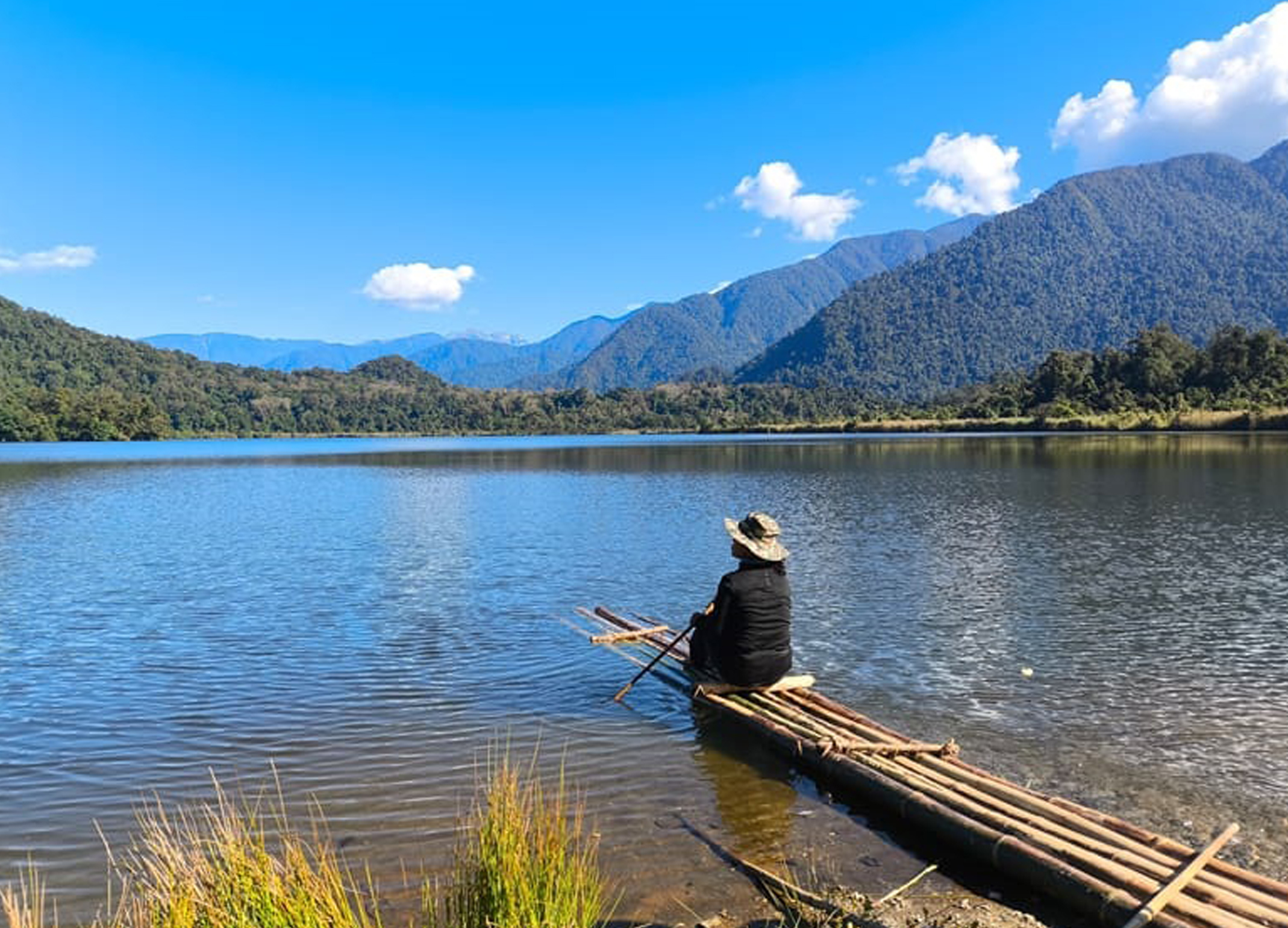
Glaw Lake was recently designated as Arunachal Pradesh’s First and India’s 101st Ramsar Site. It is located within the Kamlang Tiger Reserve and Wildlife Sanctuary. It hosts diverse flora and fauna sp...
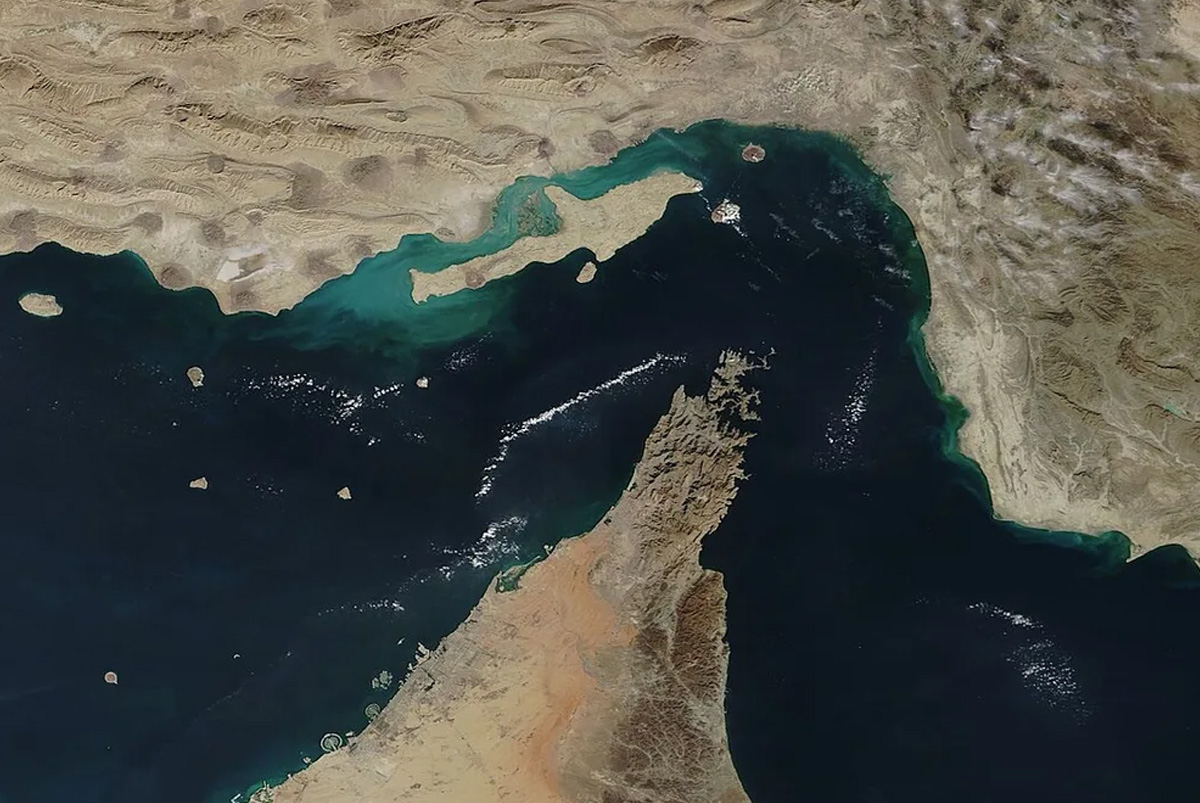
Maritime chokepoints are vital points along shipping routes that facilitate the passage of substantial trade volumes. These chokepoints control the global essential supplies such as oil, gas, fertiliz...
ENVIRONMENT, EARTH SCIENCE, BIODIVERSITY, E ARTICLE
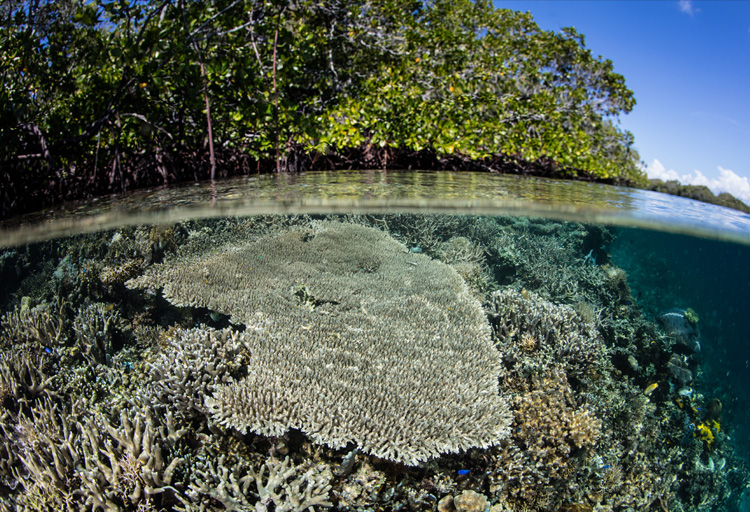
What if India's pathway to net zero does not end at factories—but begins where terrestrial meets the coastal? As carbon emissions rise and climate risks intensify, the search for solutions has largely...
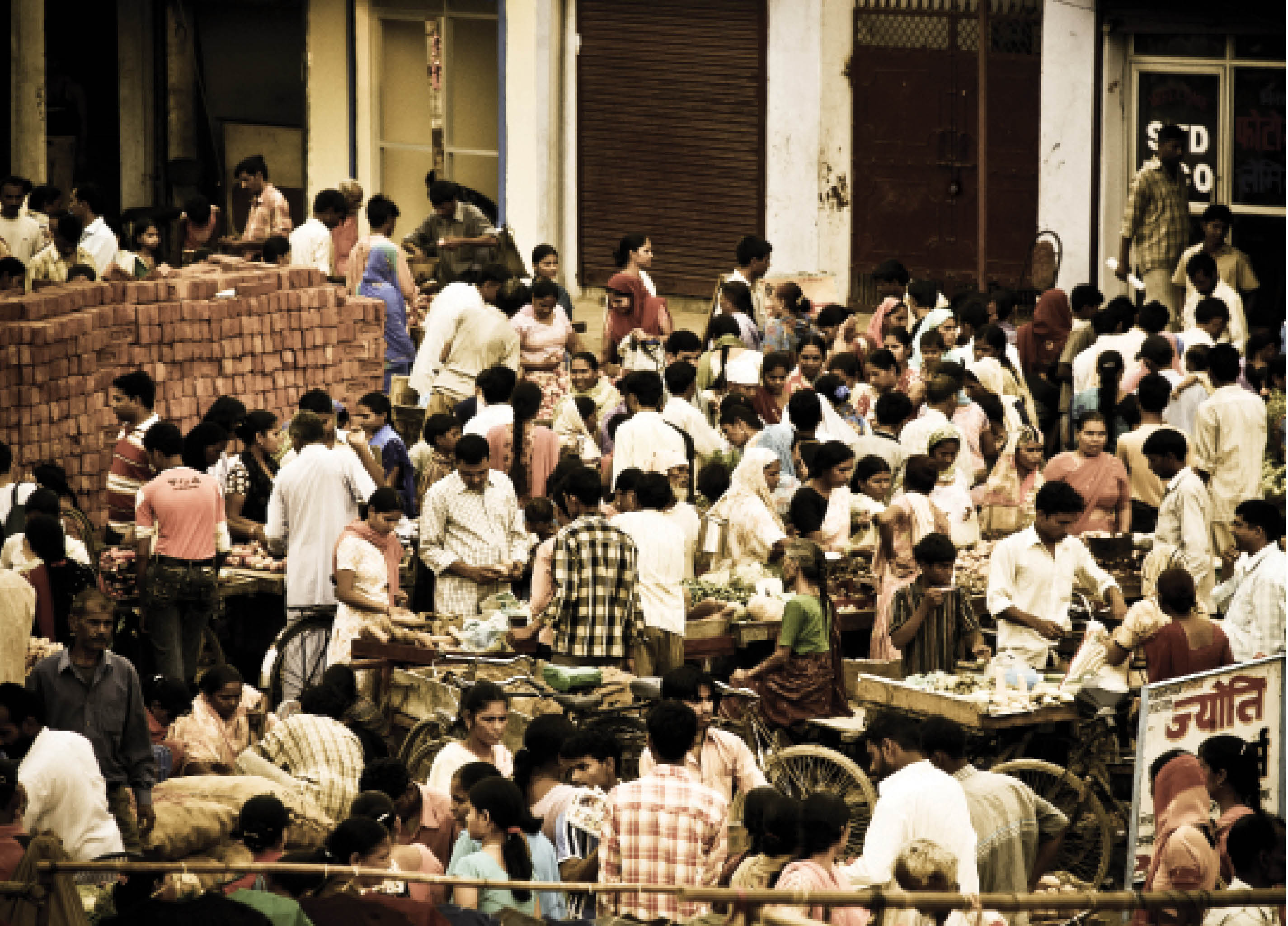
According to the provisional Census figures, although decadal growth in India’s population has registered the sharpest decline during 2001-2011, in terms of absolute numbers the population has increas...
People move in and out of places every day and have done so throughout human history. This short essay outlines the pattern of migratory movement and reflects an ever changing India. About 29 per cen...
India ranks among the top ten species-rich nations and shows high endemism. As per the 4th National Report on Biological Diversity (2009), Govt. of India, in India, so far over 91,200 species of anima...
According to the provisional Census figures, although decadal growth in India’s population has registered the sharpest decline during 2001-2011, in terms of absolute numbers the population has increased by more than 181 million over the decade. India today sustains 17.5 per cent of the world population in 2.4 per cent of its geographical area.
People move in and out of places every day and have done so throughout human history. This short essay outlines the pattern of migratory movement and reflects an ever changing India. About 29 per cent of India’s population are migrants, which impacts the cultural landscapes in ways that often lasts well beyond lifetimes.
India ranks among the top ten species-rich nations and shows high endemism. As per the 4th National Report on Biological Diversity (2009), Govt. of India, in India, so far over 91,200 species of animals and 45,500 species of plants have been documented in its ten biogeographic regions.