Indicators of Development
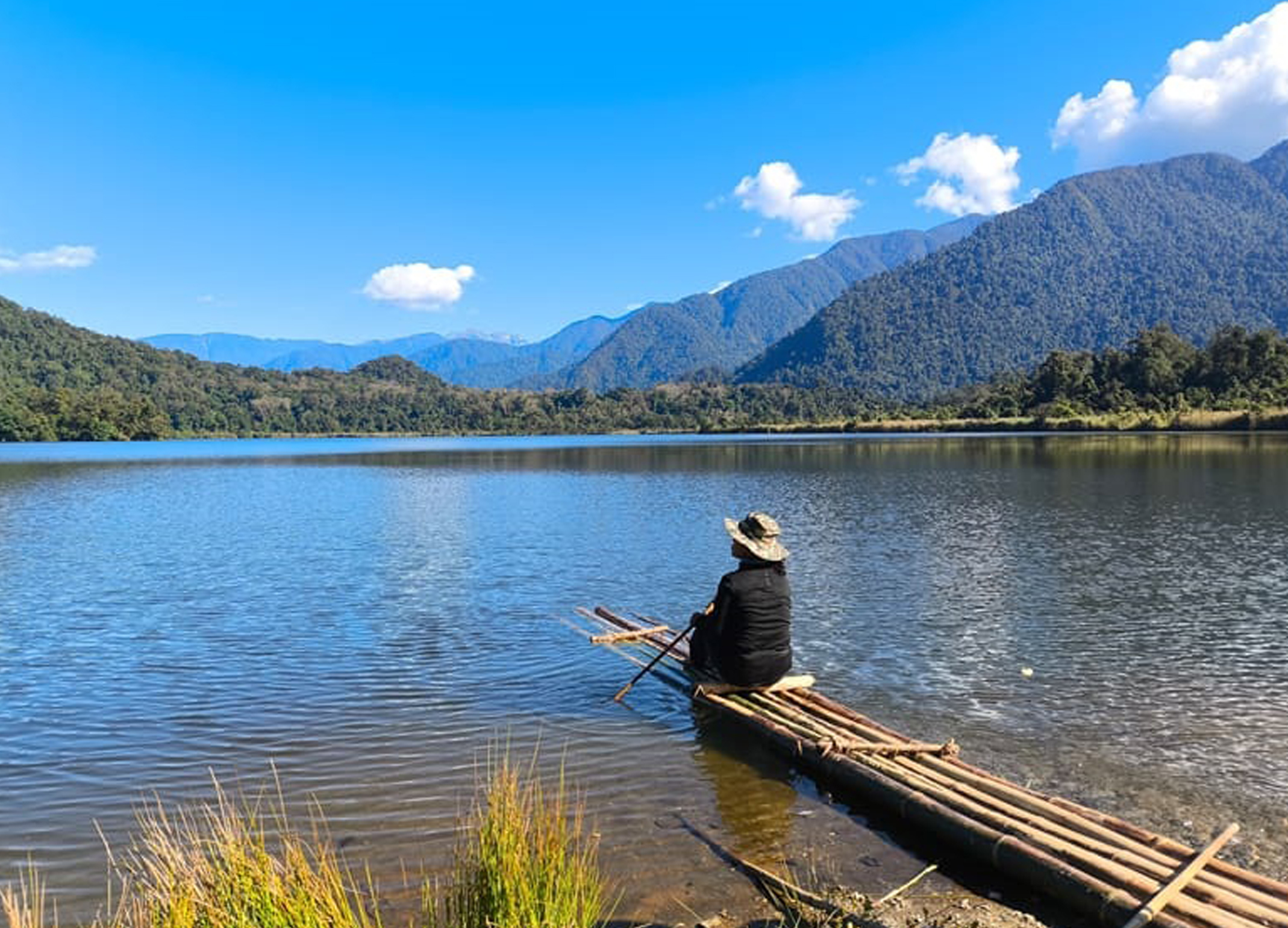
Glaw Lake was recently designated as Arunachal Pradesh’s First and India’s 101st Ramsar Site. It is located within the Kamlang Tiger Reserve and Wildlife Sanctuary. It hosts diverse flora and fauna sp...
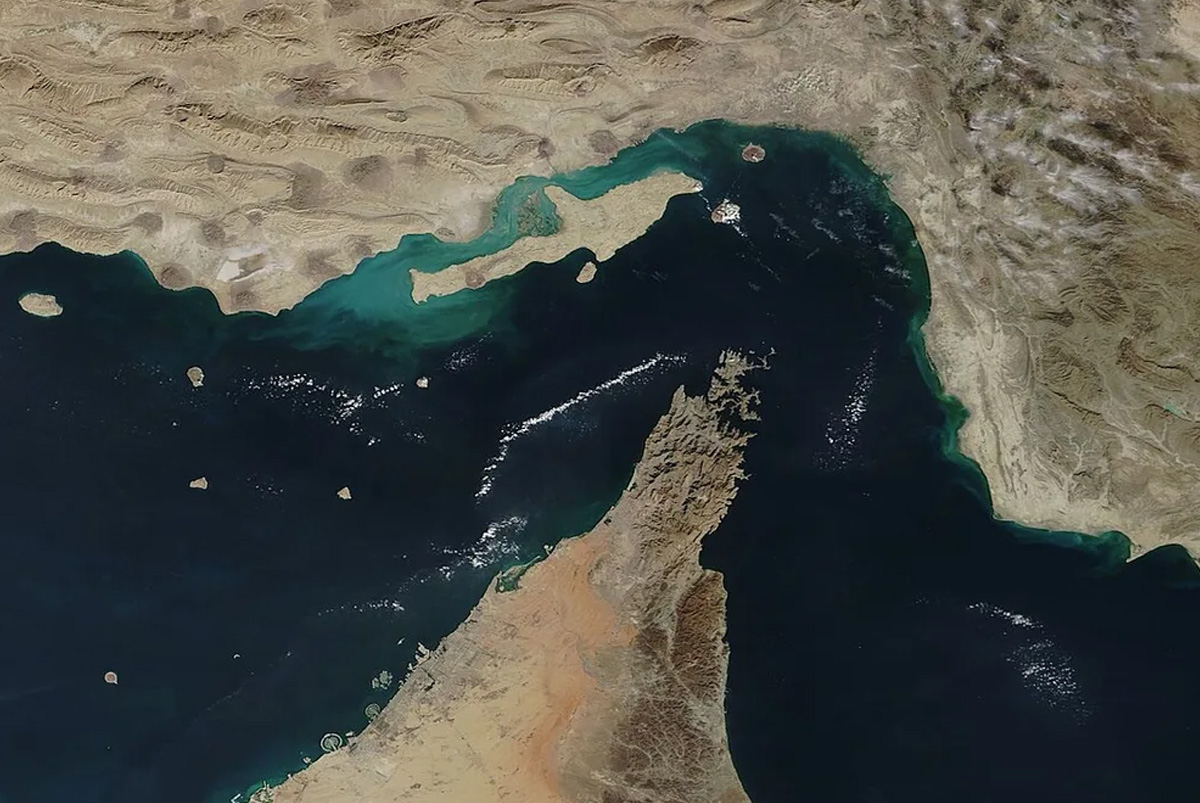
Maritime chokepoints are vital points along shipping routes that facilitate the passage of substantial trade volumes. These chokepoints control the global essential supplies such as oil, gas, fertiliz...
ENVIRONMENT, EARTH SCIENCE, BIODIVERSITY, E ARTICLE
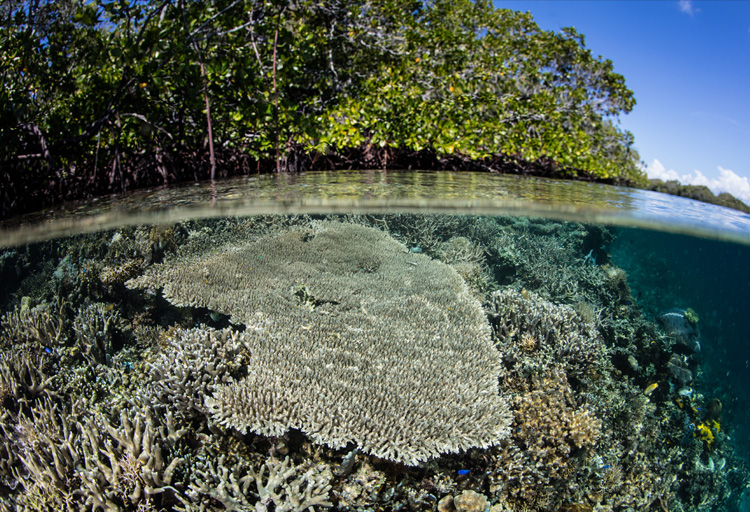
What if India's pathway to net zero does not end at factories—but begins where terrestrial meets the coastal? As carbon emissions rise and climate risks intensify, the search for solutions has largely...
The primary aim of generating indicators of development, defined in varying terms, is to generate information in quantitative and qualitative terms, to critically examine who gets what, where and how.
Regional imbalance in India is gigantic and spiralling. Convergence of administrative and developmental boundaries and increasing micro approach to development planning is the primary reason. It is ti...
While uncontrolled migrant-driven urbanisation is a problem for the city management, it is also adversely affecting the environment through increased carbon footprint. Though all urban dwellers will f...
It is difficult to conclude the degree of inclusiveness of growth in India as different scholars hold different opinions. Better governance and pro-poor policy, among the strategies, need to be adopte...
The primary aim of generating indicators of development, defined in varying terms, is to generate information in quantitative and qualitative terms, to critically examine who gets what, where and how.
Regional imbalance in India is gigantic and spiralling. Convergence of administrative and developmental boundaries and increasing micro approach to development planning is the primary reason. It is time to look beyond administrative boundaries and restart regional integrated planning.
While uncontrolled migrant-driven urbanisation is a problem for the city management, it is also adversely affecting the environment through increased carbon footprint. Though all urban dwellers will face the impact of climate change, urban poor will be the worst hit.